
Cuban president confirms talks with US
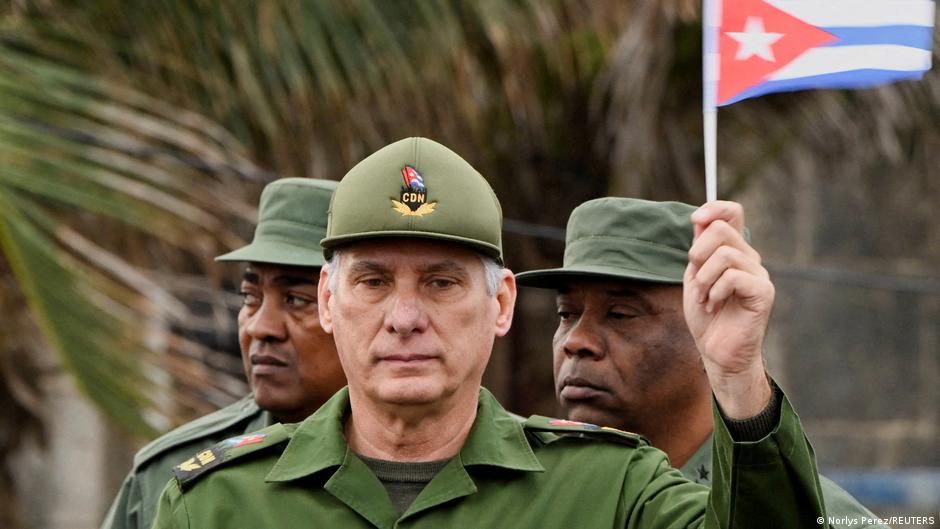
Cuban president confirms talks with US
Cuban leader Miguel Diaz-Canel revealed that his government has initiated discussions with the United States, amid a prolonged energy crisis caused by the US blockade. The isolation of the Caribbean nation, which has been under economic pressure since January, follows the removal of Venezuelan President Nicolas Maduro. Cuba relies heavily on fuel supplies from Venezuela and Mexico, both of which have been critical to its survival.
The US sanctions, targeting nations that trade oil with Cuba, have crippled the country’s power generation. This has led to widespread blackouts and a growing energy emergency. Diaz-Canel highlighted the severity of the situation, noting that the nation has not received oil for three consecutive months. In a televised address, he stated that the talks aim to “resolve differences between our two countries” and “strengthen cooperation to address shared challenges.”
“The impact of the US energy blockade has been immense,” Diaz-Canel said. “Outages disrupt communications, education, and health services. Thousands of medical procedures have been delayed, and bakeries now rely on wood and coal for baking.”
While the US State Department remained silent on the announcement, officials confirmed that Secretary of State Marco Rubio had been engaging in secret negotiations with Cuba’s Communist leadership. During a recent summit in St. Kitts and Nevis, Rubio met with Raul Guillermo Rodriguez Castro, the grandson of retired Cuban leader Raul Castro. Rodriguez Castro, known as “El Cangriejo,” sat behind Diaz-Canel in a video recorded on Thursday, though his role in the talks remains unclear.
Diaz-Canel emphasized that the dialogue is rooted in “respect for Cuban sovereignty” and “self-determination.” He framed the negotiations as a chance to “assess both parties’ commitment to improving conditions for their citizens” and “secure regional stability.” Despite this, the nation continues to grapple with rising costs and shortages of essential goods, including medicine.
Trump’s administration has long viewed Cuba as a strategic target. The former president once claimed the island would “fall pretty soon,” citing its lack of financial resources and oil. “They used to get money from Venezuela,” he told Latin American leaders in Florida last week. “Now they have neither funds nor fuel. Their system is flawed and has failed for decades.”
