
Macron says France to increase its nuclear arsenal
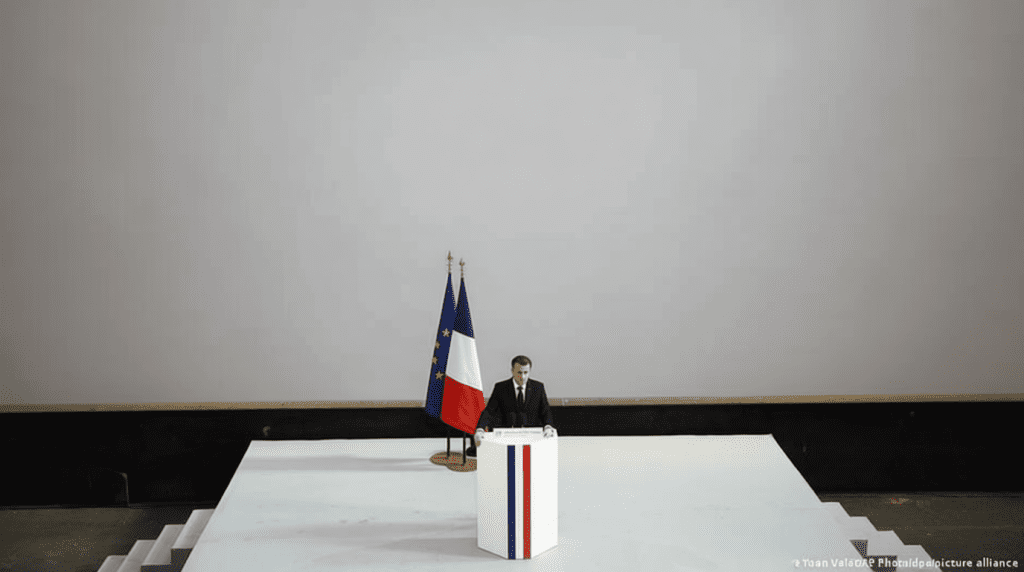
Macron says France to increase its nuclear arsenal
French President Emmanuel Macron has announced plans to bolster the nation’s nuclear capabilities amid rising European unease toward the United States. This marks the first expansion of France’s nuclear stockpile since 1992, as the country seeks to reinforce its strategic position in a shifting global landscape.
From the military base
Speaking from L’Ile Longue, a key nuclear submarine facility in Brittany, Macron highlighted the importance of maintaining a strong deterrent. “An upgrade of our arsenal is essential,” he declared. “We are currently experiencing a period of geopolitical upheaval fraught with risk.”
“Whoever wants to be free must be feared. Whoever wants to be feared must be strong,” the president added.
France remains the sole nuclear-armed member of the European Union, a fact that underscores its role in safeguarding the bloc’s security. The country currently holds around 290 nuclear warheads, placing it as the fourth-largest nuclear power globally, following the United States, Russia, and China.
Macron’s strategy involves a mix of submarine-based and air-launched nuclear options. France operates four nuclear-armed submarines, capable of operating globally and covering a range of approximately 10,000 kilometers. In addition, its Rafale fighter jets can deliver nuclear-capable cruise missiles with a range of about 500 kilometers.
To view this video, please enable JavaScript, and consider upgrading to a web browser that supports HTML5 video.
European doubts over US nuclear umbrella
The decision comes as concerns grow about the reliability of the US-led nuclear deterrent. European leaders have questioned Washington’s commitment, particularly after tensions flared earlier this year over Trump’s push to secure control of Greenland from Denmark, an EU and NATO ally.
Although Trump later softened his stance, skepticism toward US intentions persists. Macron emphasized that the shift in France’s nuclear strategy involves greater collaboration with European partners, including Germany, Poland, the Netherlands, Belgium, and Denmark.
To view this video, please enable JavaScript, and consider upgrading to a web browser that supports HTML5 video.
