
Artists are bailing on a Trump-backed concert series for America’s 250th. Now he’s hosting his own ceremony
Artists Bailing on Trump-Backed 250th Anniversary Concert Series; President Hosts Own Ceremony
Artists are bailing on a Trump-backed concert series commemorating the United States’ 250th anniversary, as key performers withdraw from the event. This development comes after the White House launched the Freedom 250 initiative to promote a more partisan celebration of the nation’s milestone. The event, originally intended as a cultural tribute, now faces scrutiny over its political alignment, with several high-profile names dropping out amid growing controversy.
Political Ties and Artist Withdrawals
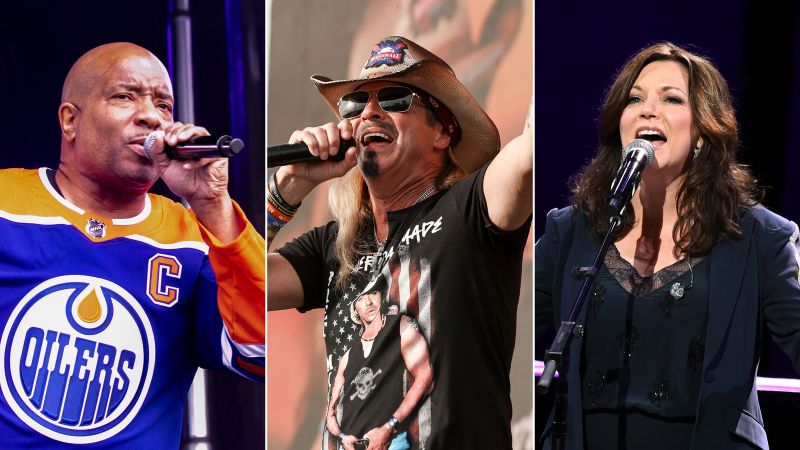
The exodus of artists from the Freedom 250 concert series has sparked debate about its ideological direction. Performers like Martina McBride and Young MC have distanced themselves, citing misleading claims about the event’s nonpartisan nature. Some have accused organizers of shifting focus toward Trump’s agenda, with Bret Michaels noting that the concert had become “a more divisive” platform than anticipated. His team also received threats, highlighting the political stakes involved.
“I was presented with an opportunity to perform at a nonpartisan event, but that turned out to be misleading,” McBride wrote on Instagram, signaling her withdrawal. Young MC echoed similar sentiments, stating that “the artists were never told about any political involvement with the event,” which he called a “bait-and-switch.” These statements underscore the growing tension between the original vision of the 250th anniversary and its current alignment with Trump’s ideology.
Freedom 250’s Mission and Artist Selection
The Freedom 250 initiative, launched through an executive order, aims to celebrate American history through a Trump-centric lens. It was positioned as an alternative to the America250 program, which was designed to be inclusive and bipartisan. Critics argue that the event’s lineup, featuring artists like Morris Day and Vanilla Ice, reflects a preference for performers with strong ties to Trump’s administration. This has raised questions about the project’s neutrality and its effectiveness in capturing the broader American spirit.
Vanilla Ice, a frequent guest at Trump’s Mar-a-Lago retreat, has drawn mixed reactions. While his inclusion is seen as a nod to Trump’s influence, others question whether it enhances or diminishes the cultural significance of the 250th anniversary. The decision to book artists through Jeff Epstein of Universal Attractions further fuels speculation about the event’s political undertones.
Trump’s Defiant Response to Artist Departures
Trump has reacted strongly to the artist exodus, criticizing them on social media as “getting the yips” and suggesting he could take over as the event’s main attraction. “We should have a giant MAKE AMERICA GREAT AGAIN RALLY, for 250, instead of having overpriced singers, whose music is boring, and yet who do nothing but complain,” he tweeted, later calling the event “Cancel it.” His comments reflect frustration with what he perceives as a lack of enthusiasm for his vision of national pride.
Despite the backlash, Trump remains committed to the event, framing it as essential to honoring the country’s 250th birthday. However, the absence of well-known artists has cast doubt on its ability to unify audiences under his leadership. The president’s insistence on maintaining control over the celebration highlights the event’s transformation into a political showcase.
Freedom 250’s Impact on Cultural Celebrations
The Freedom 250 initiative has redefined the 250th anniversary celebration, with Trump’s involvement central to its execution. While the program seeks to highlight American history, its reliance on Trump-aligned artists has drawn criticism from those who argue it undermines the event’s broader cultural appeal. The shift from a nonpartisan event to one with clear political ties has rekindled discussions about the role of art in national commemorations.
With the departure of key performers, the event’s visibility and cultural impact may be diminished. Critics emphasize that the choice of artists, including those with a history of supporting Trump, could alienate audiences and overshadow the original intent of the 250th anniversary as a shared celebration of national identity. The controversy underscores the challenges of blending politics with cultural events.
