
Boo who? Gen Z loves horror because real life has scared them plenty
Boo Who? Gen Z’s Horror Obsession Reflects a Generation Shaped by Real-Life Fears
Boo who Gen Z loves horror – Generation Z, the demographic born between 1997 and 2012, has grown up in an era defined by uncertainty. From economic instability to school shootings and the ongoing global pandemic, their lives have been marked by a series of challenges that feel almost surreal. This backdrop has fueled a growing fascination with horror films, particularly those that resonate with their struggles—like Obsession and Backrooms. These movies, released recently, have captured the attention of Gen Z audiences, offering a cinematic space where their anxieties are mirrored and amplified. The phenomenon underscores how the horror genre has evolved to reflect the psychological and social realities of this generation, rather than relying solely on visceral scares.
The Psychological Underpinnings of Gen Z Horror
“Horror has shifted to align with the concerns of Gen Z,” said Lauren Cook, a therapist and author of Generation Anxiety: A Millennial and Gen Z Guide for Staying Afloat in Uncertain Times. “Instead of focusing on gore alone, it’s diving into darker, more relatable themes like systemic bias, isolation, and the search for meaning in a fragmented world.” This insight highlights a broader trend: Gen Z’s horror preferences are increasingly tied to their lived experiences. The genre now serves as a mirror, reflecting the complexities of their reality rather than just delivering jump scares.
“They enjoy the honesty that horror can bring. It’s not trying to sugarcoat things,” Cook noted. “They can sit with that morbidity a little bit more than maybe previous generations have, where they want to plaster things and put a smile on it and I think that’s actually a strength.”
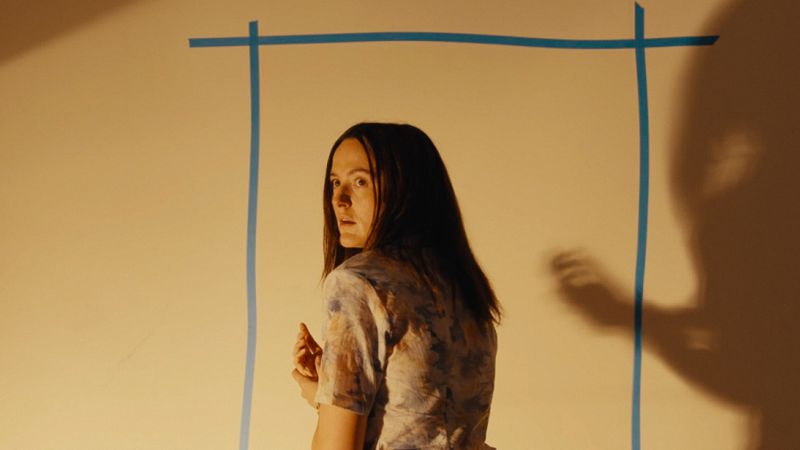
Take Obsession, for instance. Directed by Curry Baker, a 26-year-old YouTuber, the film combines magical realism with a deeply personal narrative. It follows Michael Johnston, a man who wishes upon a magical toy branch to win back the love of his life, Indie Navarrette. While the plot is driven by romantic longing, it also explores deeper themes, such as red pill culture and the perception of systemic sexism. These elements tap into Gen Z’s skepticism toward traditional gender roles and their awareness of societal pressures. “The film doesn’t shy away from the darker aspects of male identity in modern society,” said Ruano, a 23-year-old high school teacher who analyzes film and television on her site The Drama Drive-In.
A New Wave of Horror in the Gen Z Era
Similarly, Backrooms, directed by Kane Parsons, a Gen Z filmmaker, blends psychological horror with existential dread. The film stars Chiwetel Ejiofor as a furniture store owner who descends into his own heart of darkness. Inspired by Parsons’ YouTube series, it delves into themes of isolation, trauma, and the narrowing of possibilities—concepts that resonate strongly with a generation grappling with digital connectivity and mental health struggles. “The way the film portrays the internal battles of its protagonist feels like a direct conversation with Gen Z’s own fears,” Ruano explained.
“Moving into the 2000s, we had horror that almost seems more like action based. That’s where we had all the zombie movies and, in my opinion, I think it’s really reflective of the war on terror in America’s kind of militaristic environment there,” Ruano added. “I think because Gen Z tends to be very focused on social issues, that’s kind of a defining factor of our generation that horror plays into that really well.”
These films are not just entertainment; they are a cultural response to the anxieties of their time. Gen Z has faced a unique set of crises, from the 2008 financial crisis, which shaped their economic expectations, to the normalization of active shooter drills in schools and the existential uncertainty of a worldwide pandemic. Each of these events has contributed to a collective sense of unease, one that the horror genre has begun to address in meaningful ways.
Statistical Evidence of a Horror Renaissance
Data from Statista, a market research firm, supports this shift. Their report noted that Gen Z consumers are the most likely age group to watch horror films or TV shows, with 91% of them engaging with the genre. Cathy Boxall, global head of entertainment at advertising agency Dentsu, highlighted this as a significant trend, stating that the number represented “the highest share of any generation.”
“Horror is their third-favorite genre after comedy and action, and the numbers are accelerating: scary movies now account for 17% of North American ticket purchases, up from just 4% a decade ago,” Boxall wrote.
This surge in horror’s popularity is not just a passing trend. It reflects a deep, generational shift in how audiences consume and relate to scary stories. Unlike previous decades, where horror was often associated with slasher films or supernatural thrills, today’s Gen Z viewers are drawn to narratives that explore the psychological and emotional toll of modern life. From climate catastrophes like Hurricane Katrina to the constant stream of news about economic downturns and social unrest, their reality is a tapestry of fears that horror now weaves into its storytelling.
Horror as a Mirror for a Generation’s Struggles
The success of films like Obsession and Backrooms demonstrates how effectively horror can capture Gen Z’s zeitgeist. A24, the studio behind Backrooms, is credited with producing the youngest filmmaker in Hollywood history to achieve a No. 1 box office opening. Gen Z’s support for the film helped it gross $80 million in North America and $120 million worldwide within its first weekend. Meanwhile, Obsession secured the No. 2 spot, with close to $150 million in total earnings since its May 15 debut. Both figures are remarkable considering the films’ relatively low production costs—just $750,000 for Obsession and a similarly modest budget for Backrooms.
These box office numbers are more than just financial success; they signal a cultural turning point. Gen Z’s engagement with horror is not merely about seeking thrills but about connecting with stories that feel authentic. The genre has become a vehicle for expressing the fears and frustrations that define their lives. As Cook observed, “Horror is a way for them to process the chaos of the world—without the need for a happy ending.”
Looking ahead, the future of horror in Hollywood seems bright. Studios are recognizing the power of Gen Z’s preferences and tailoring their content accordingly. Whether through psychological depth, social commentary, or a mix of both, the genre is evolving to meet the needs of a generation that has spent their formative years navigating a world that feels increasingly unpredictable. As Ruano put it, “Horror isn’t just a genre anymore—it’s a language that Gen Z uses to make sense of their reality.”
From the eerie corridors of the Backrooms to the emotional turmoil of a man’s unrequited love, these films are more than entertainment. They are a reflection of a generation that has been shaped by real-life horrors, turning to the genre as a way to confront, process, and perhaps even embrace their fears. In doing so, Gen Z is redefining horror, making it a powerful mirror for the challenges they face in an uncertain world.
