
10 Eco-Friendly Alternatives to Plastic Products You Can Use Today
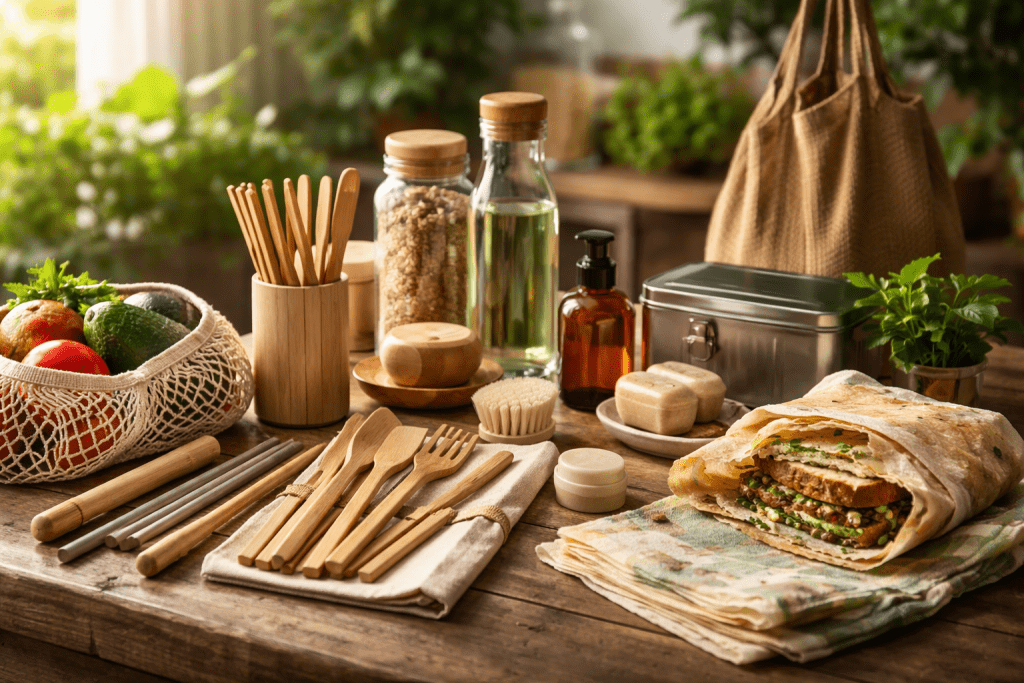
Plastic waste has become a significant environmental concern. From landfills to oceans, plastic products are accumulating at an alarming rate, harming wildlife and polluting our planet. However, the good news is that many eco-friendly alternatives to plastic products exist today, making it easier for you to reduce your carbon footprint and live sustainably.
In this article, we will explore 10 eco-friendly alternatives to plastic products that you can start using right now. By making these small but impactful changes in your daily life, you can help reduce plastic waste and contribute to a healthier planet.
1\. Reusable Shopping Bags
One of the most popular eco-friendly alternatives to plastic products is the reusable shopping bag. Plastic bags are commonly used for groceries and other shopping items, but they take hundreds of years to decompose. Reusable bags made from cloth, jute, or other sustainable materials are not only durable but can be used multiple times.
By opting for these bags, you reduce plastic waste and minimize the environmental impact of plastic production. Many stores now offer reusable bags at affordable prices, making them an easy choice for eco-conscious shoppers.
2\. Stainless Steel Straws
Plastic straws have gained attention for their role in pollution, particularly in marine environments. A simple solution to this problem is stainless steel straws. Unlike their plastic counterparts, stainless steel straws are durable, reusable, and easy to clean.
These straws come in various sizes and styles, including straight, bent, or even collapsible ones. By switching to stainless steel straws, you contribute to reducing the demand for single-use plastics.
3\. Beeswax Food Wraps
Instead of using plastic wrap to cover your food, consider switching to beeswax food wraps. These wraps are made from cotton infused with beeswax, resin, and jojoba oil. They are perfect for covering fruits, vegetables, sandwiches, and other perishables.
Beeswax wraps are reusable, biodegradable, and keep your food fresh for longer without the harmful effects of plastic. Simply wash and reuse them multiple times before they start to show signs of wear.
4\. Glass Containers for Storage
Plastic containers are commonly used for storing food, but they can leach harmful chemicals into your meals over time. Glass containers are a safe and sustainable alternative to plastic storage. They do not contain any harmful toxins, and they are dishwasher and microwave-safe.
In addition, glass containers are durable, reusable, and recyclable, making them an excellent long-term investment for reducing plastic waste in your kitchen.
5\. Compostable Plates and Utensils
If you’re hosting a party or picnic, you may be tempted to use disposable plastic plates and utensils. Instead, opt for compostable plates and utensils made from materials like bamboo, sugarcane, or cornstarch. These alternatives are biodegradable, meaning they break down naturally and do not contribute to plastic pollution.
Many of these products are just as sturdy as plastic but much safer for the environment. By choosing compostable options, you can enjoy a sustainable gathering while minimizing your ecological impact.
6\. Wooden or Bamboo Toothbrushes
Plastic toothbrushes are a significant contributor to global plastic waste, as they are used for only a few months before being discarded. Bamboo toothbrushes offer a simple and eco-friendly alternative. Bamboo is a highly sustainable material, as it grows quickly and is biodegradable.
Switching to bamboo toothbrushes is an easy way to reduce plastic in your daily routine. Many brands now offer bamboo toothbrushes with replaceable heads, further minimizing waste.
7\. Cloth Diapers
Diapers are another significant source of plastic waste, especially disposable ones. Cloth diapers provide a sustainable alternative, as they can be washed and reused multiple times. Made from cotton, bamboo, or hemp, cloth diapers are both eco-friendly and gentle on your baby’s skin.
While they require more effort in terms of washing and care, the environmental benefits of cloth diapers are undeniable. They help reduce the enormous plastic waste generated by single-use diapers and can save you money in the long run.
8\. Metal Water Bottles
Single-use plastic bottles contribute heavily to plastic pollution, especially when they are not recycled. Metal water bottles made from stainless steel or aluminum offer a long-lasting and eco-friendly alternative. These bottles are insulated, keeping your water cold for longer periods, and are highly durable.
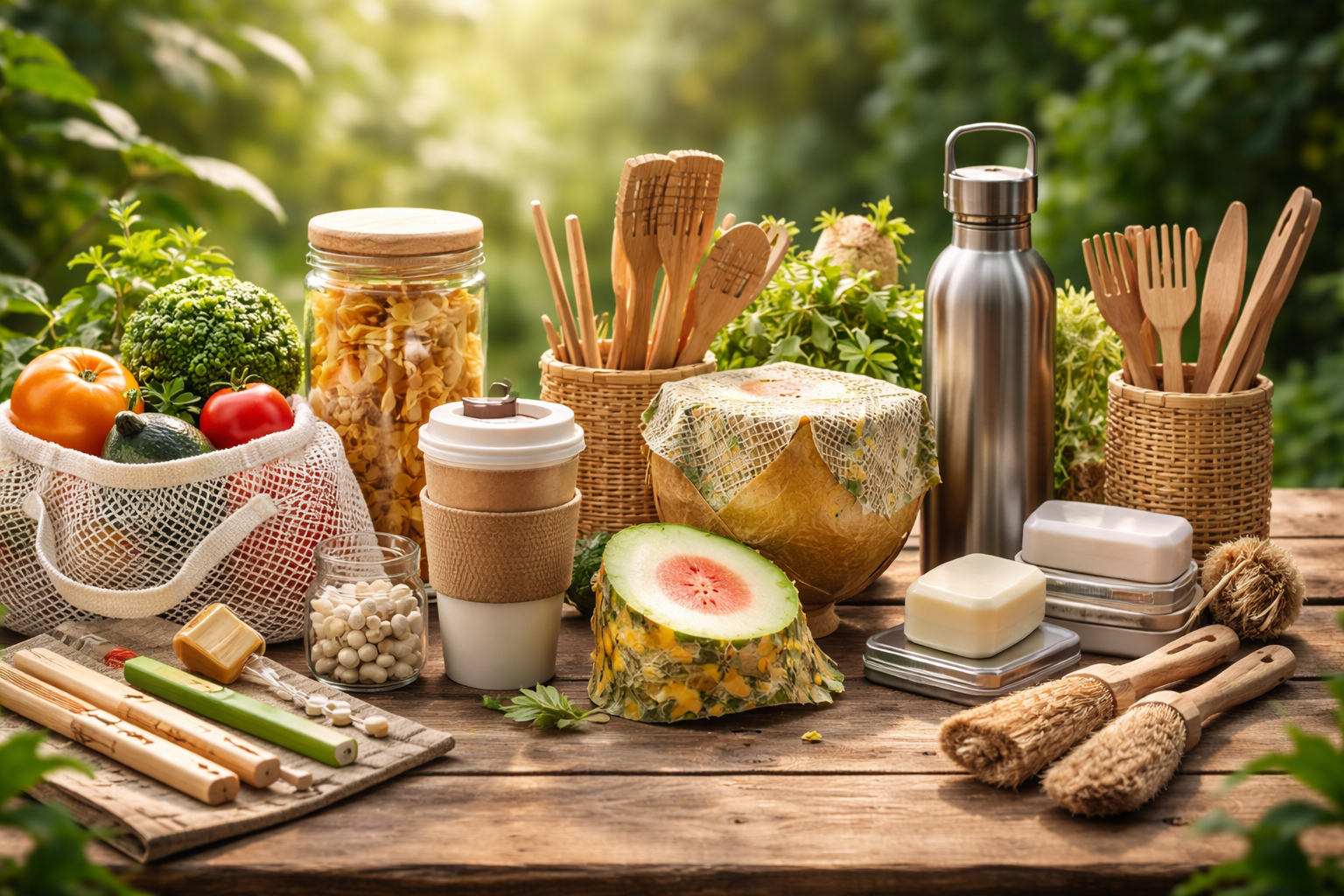
By investing in a metal water bottle, you can significantly reduce your reliance on single-use plastic bottles and stay hydrated while protecting the planet.
9\. Natural Cleaning Products
Many conventional cleaning products come in plastic bottles and contain harmful chemicals that can damage the environment. Natural cleaning products, such as those made from vinegar, baking soda, and essential oils, provide an effective and eco-friendly alternative.
These products are often packaged in glass or recyclable containers, further reducing plastic waste. By switching to natural cleaning products, you can create a healthier home environment while minimizing your carbon footprint.
10\. Reusable Coffee Cups
Takeout coffee cups and their plastic lids are often made from non-recyclable materials, contributing to plastic waste. Reusable coffee cups made from stainless steel, bamboo, or glass are an excellent alternative. These cups can be used over and over again, and many coffee shops even offer discounts for customers who bring their own cups.
Investing in a reusable coffee cup is a small yet impactful change that reduces plastic waste every time you grab a coffee.
Conclusion
The use of eco-friendly alternatives to plastic products is a simple and effective way to contribute to the fight against plastic pollution. Whether you opt for reusable shopping bags, stainless steel straws, or beeswax wraps, each choice you make helps reduce the demand for single-use plastics and promotes a sustainable lifestyle. Small changes in our daily habits can collectively make a big difference for the environment.
FAQ
Q: Why should I use eco-friendly alternatives to plastic products?
A: Using eco-friendly alternatives helps reduce plastic waste, minimizes harm to wildlife, and lowers the environmental impact of plastic production.
Q: Are eco-friendly products more expensive than plastic ones?
A: While some eco-friendly alternatives may have a higher upfront cost, they are often more durable and reusable, saving you money in the long run.
Q: How can I get started with using eco-friendly alternatives to plastic products?
A: Start by replacing one plastic item at a time with a sustainable option, such as a reusable shopping bag or a bamboo toothbrush. Small changes can add up over time.
Q: Can I recycle eco-friendly alternatives to plastic products?
A: Many eco-friendly alternatives, like glass and metal items, are recyclable. However, be sure to check local recycling guidelines for specific products.
Q: Are there eco-friendly alternatives to plastic in every area of my life?
A: Yes! From food storage to cleaning supplies, there are eco-friendly alternatives to plastic in virtually every aspect of life. You can start by making small, sustainable changes to your daily routine.
