
Effective Energy Efficiency Improvement Strategies for Sustainable Living
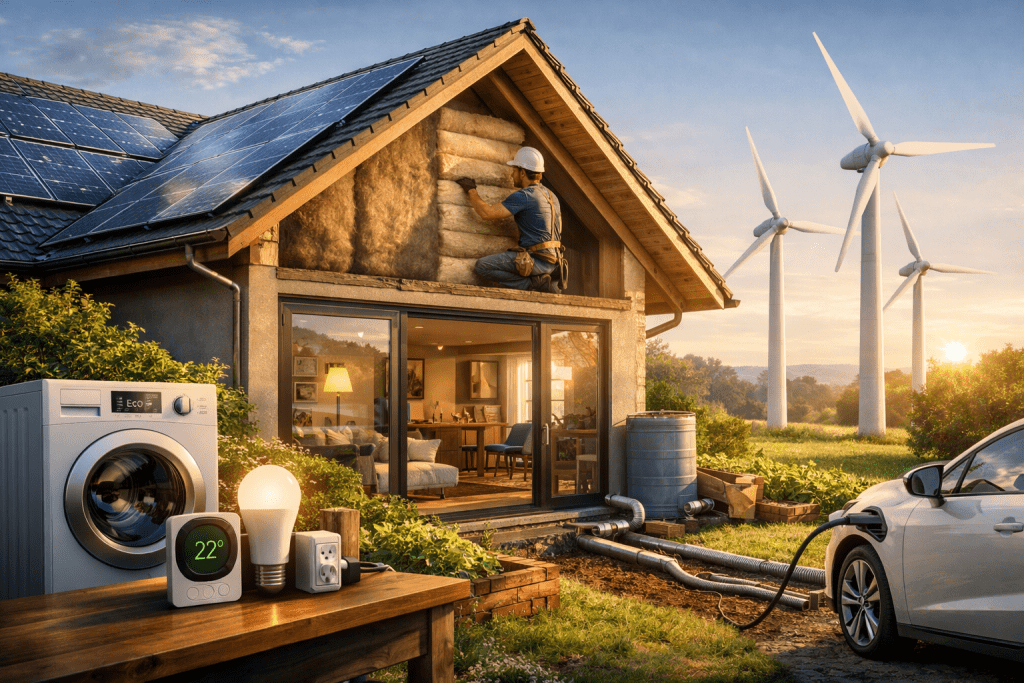
Energy efficiency is at the core of creating a sustainable lifestyle. As global challenges like climate change intensify, it’s crucial to adopt energy efficiency improvement strategies that minimize our environmental footprint while also lowering energy costs. By making thoughtful changes in how we use and consume energy, we can significantly reduce waste and contribute to a greener planet. In this article, we’ll explore practical and effective strategies that individuals and businesses can implement for more efficient energy use.
Understanding the Importance of Energy Efficiency
Energy efficiency improvement strategies are not just about reducing bills or cutting back on energy usage. They play a significant role in reducing the demand on natural resources, lowering greenhouse gas emissions, and contributing to sustainable development. By investing in energy-efficient practices, we can conserve energy, reduce pollution, and build a resilient future. Understanding the benefits of energy efficiency is the first step in driving meaningful change.
1. Upgrading to Energy-Efficient Appliances
One of the most effective energy efficiency improvement strategies is replacing outdated appliances with energy-efficient models. Modern appliances are designed to use less energy while maintaining optimal performance. For example, replacing incandescent light bulbs with LED lights can reduce energy consumption by up to 75%. Similarly, ENERGY STAR-rated appliances, including refrigerators, air conditioners, and washing machines, use significantly less energy than their conventional counterparts.
Investing in smart home technology also plays a key role in energy efficiency. Smart thermostats, for instance, allow homeowners to regulate heating and cooling systems based on occupancy and weather conditions, preventing unnecessary energy waste. These small investments not only reduce energy consumption but also lower utility bills in the long run.
2. Improving Home Insulation and Sealing
A well-insulated home is crucial for energy efficiency. Poor insulation leads to heat loss in the winter and heat gain in the summer, forcing heating and cooling systems to work overtime. To improve energy efficiency, focus on sealing air leaks around doors, windows, and vents. Adding insulation to attics, walls, and floors can help maintain a consistent indoor temperature, reducing the need for heating and cooling.
You can also consider using energy-efficient windows. Double-glazed windows help to trap air between two panes of glass, improving insulation. These small adjustments can have a big impact on energy consumption, especially in extreme climates.
3. Utilizing Renewable Energy Sources
Another powerful energy efficiency improvement strategy is the use of renewable energy. Solar panels, wind turbines, and geothermal systems are renewable alternatives that significantly reduce dependency on fossil fuels. Installing solar panels on your property can generate clean, renewable energy that offsets electricity consumption from the grid.
Incorporating solar water heaters is another great way to reduce energy usage. These systems use the sun’s energy to heat water for home use, thus reducing the need for electric or gas-powered water heaters. By harnessing natural resources, homeowners and businesses can cut energy costs while contributing to a more sustainable energy future.
4. Implementing Energy-Efficient Heating and Cooling Systems
Heating and cooling systems are among the largest contributors to energy consumption in homes and businesses. To improve energy efficiency, consider upgrading your heating, ventilation, and air conditioning (HVAC) systems. Modern HVAC units are designed to use less energy, provide better air quality, and operate more quietly than older models.
Programmable thermostats are another effective tool. They allow you to set temperature schedules based on your daily routine, reducing energy use when you’re away from home or asleep. In addition, regular maintenance, such as cleaning filters and ducts, ensures that your system operates efficiently and doesn’t waste energy.
5. Sustainable Transportation Practices
Energy efficiency isn’t limited to the home; it extends to how we travel. Adopting sustainable transportation methods like electric vehicles (EVs), carpooling, and public transit can significantly reduce our carbon footprint. EVs are a major part of the energy efficiency movement, as they run on electricity rather than gasoline, reducing emissions and dependency on fossil fuels.
For those who need to drive, choosing fuel-efficient vehicles can also lower energy use. Hybrid cars, for instance, combine electric power with gasoline, reducing fuel consumption and cutting down on emissions.
Conclusion
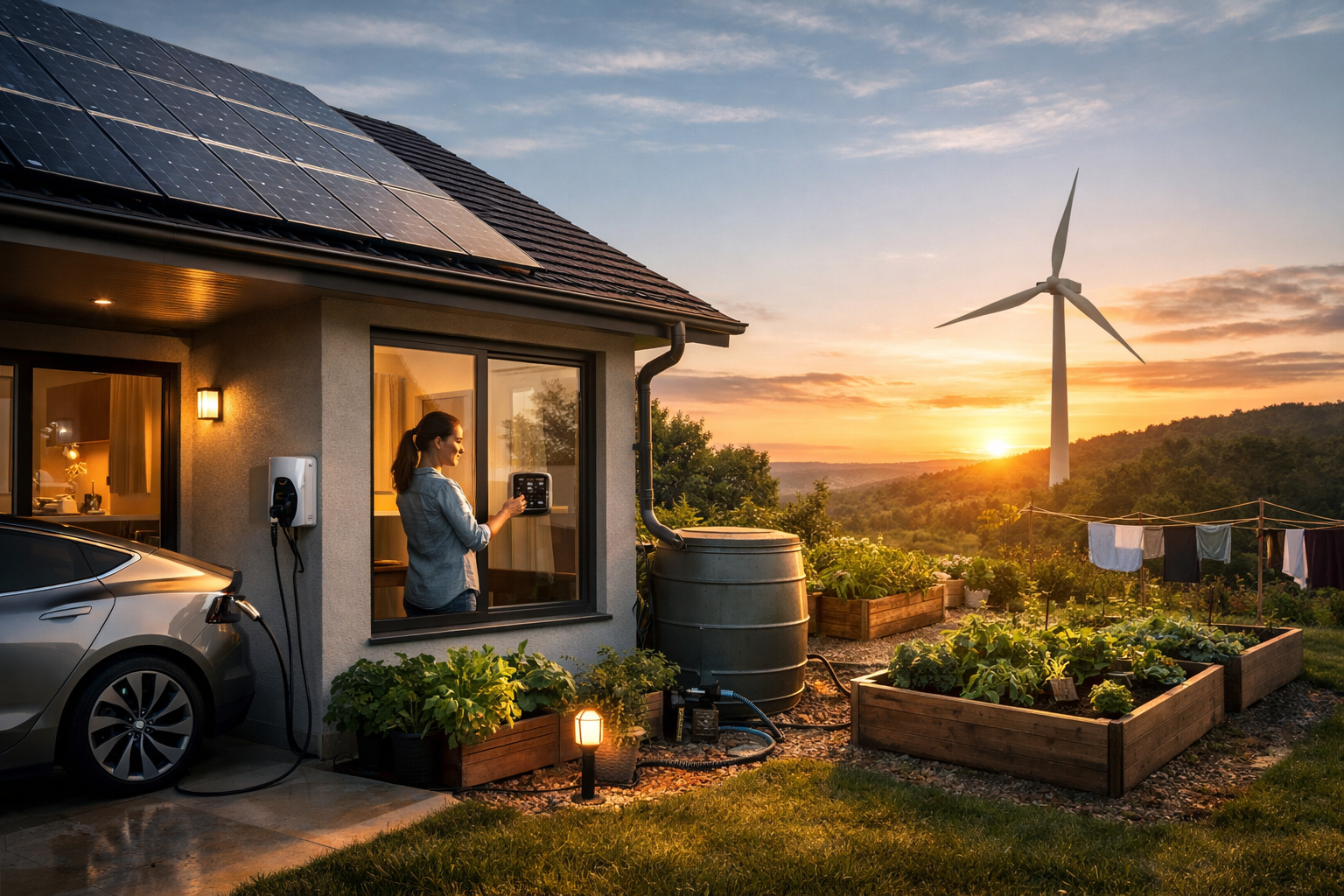
Adopting energy efficiency improvement strategies is essential for creating a more sustainable world. From upgrading appliances and improving insulation to utilizing renewable energy sources and adopting sustainable transportation practices, every action counts in reducing our energy consumption and environmental impact. These strategies not only help protect the planet but also offer long-term financial savings. Embracing energy efficiency is a powerful way to contribute to a cleaner, more sustainable future.
FAQ
Q: What are the most effective energy efficiency improvement strategies for homeowners?
A: For homeowners, the most effective strategies include upgrading to energy-efficient appliances, improving home insulation, and installing renewable energy systems like solar panels.
Q: How does improving home insulation contribute to energy efficiency?
A: Improved insulation reduces heat loss in winter and heat gain in summer, ensuring that heating and cooling systems don’t have to work as hard, thereby saving energy.
Q: Are there any cost-saving benefits to implementing energy efficiency improvements?
A: Yes, energy efficiency improvements can significantly reduce utility bills over time. For example, upgrading to energy-efficient appliances and using solar energy can lower energy costs.
Q: How can businesses implement energy efficiency strategies?
A: Businesses can adopt energy-efficient lighting, heating, and cooling systems, improve insulation, and consider renewable energy options to reduce energy consumption and operating costs.
Q: Can smart home technology help improve energy efficiency?
A: Absolutely. Smart thermostats and lighting systems help homeowners manage energy use more effectively, reducing waste and lowering energy costs.
