
An outbreak of diarrhea from a parasite is surging. Here’s what to eat and what to avoid
Cyclosporiasis Cases Rise: Safe Eating Tips During Illness Surge
An outbreak of diarrhea from a parasite – Health officials are tracking a significant increase in gastrointestinal illness across multiple states. The parasite responsible for this condition has caused widespread concern among consumers wondering about food safety. According to recent data, more than 7,000 cases have been confirmed or investigated nationwide since the beginning of May. Michigan and Ohio report over 3,000 cases combined, with potential links to West Virginia and Kentucky. While lettuce and salad greens remain primary suspects, officials have not identified a single source.
Understanding the Parasite and Its Effects
Cyclosporiasis presents with symptoms that can persist for several weeks. Watery diarrhea, abdominal cramps, nausea, and fatigue are common complaints. Some patients experience appetite loss and weight reduction during the illness. The onset period ranges from two days to two weeks after exposure. Approximately one in eleven patients requires hospitalization, though no fatalities have been reported so far. Dr. Nuwan Gunawardhana from Columbia University Irving Medical Center characterizes the organism as particularly resilient. He emphasizes its established history of causing foodborne complications.
High-risk populations including young children, elderly individuals, and those with compromised immune systems should exercise caution. However, experts advise against unnecessary panic. The illness typically resolves on its own, though medical consultation is recommended for severe cases. The parasite affects the intestinal lining, leading to the characteristic digestive symptoms that have prompted this public health alert.
Navigating Food Choices During the Outbreak
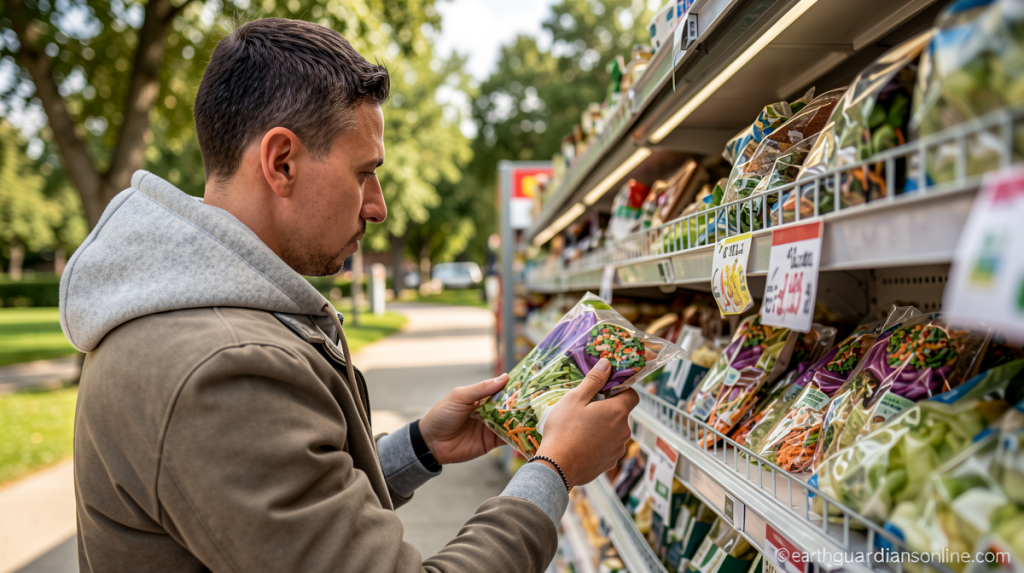
Consumers are receiving guidance on which items to prioritize and which to avoid. Precut and packaged produce carries higher risk compared to whole fruits and vegetables. Don Stoeckel from Cornell University recommends washing all produce thoroughly before consumption. Bagged salad mixes, raspberries, basil, and cilantro have emerged as potential carriers. Taco Bell has responded by removing certain ingredients from its menu temporarily.
Dr. Dan Barouch from Beth Israel Deaconess Medical Center notes that the investigation remains ongoing. He suggests that while caution is warranted, normal food consumption patterns can continue with proper preparation. The uncertainty surrounding the exact source means consumers should remain vigilant but not overly restrictive. Whole produce items that are washed and peeled remain safe options for most people.
The situation continues to evolve as health departments gather additional information. Travelers and residents in affected regions should monitor local health advisories. The combination of widespread cases and unclear origins has made this one of the more notable food safety events of the year. Following basic hygiene practices and staying informed through official channels remains the best approach for protecting public health during this period.
