
Doctors insisted a subtle change to my nail was nothing to worry about… in fact it was the ONLY sign of the deadliest kind of skin cancer. These are the easy-to-miss symptoms everyone must look out for
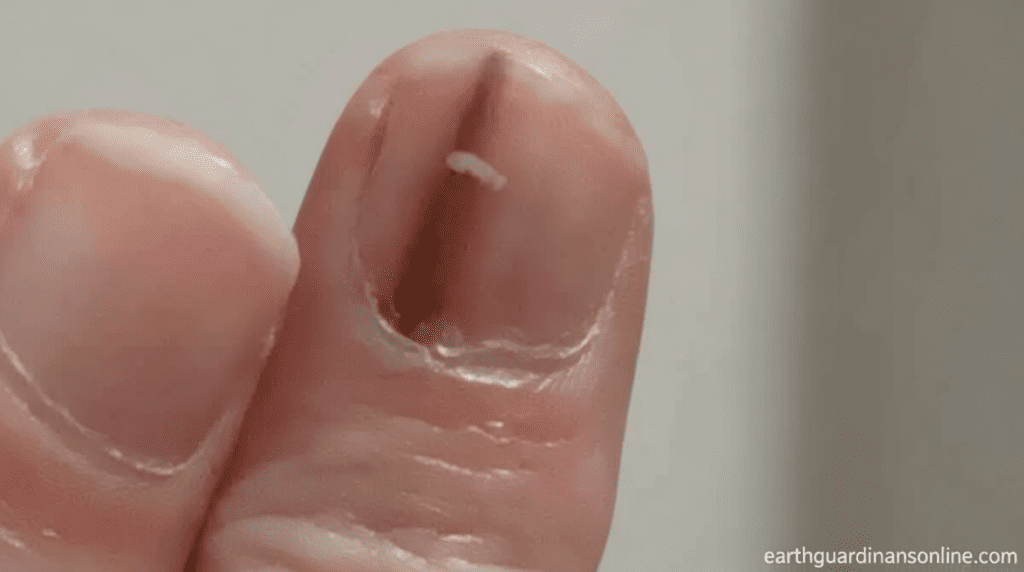
A subtle brown streak beneath a fingernail may appear harmless at first glance
For many, a faint line under the nail might not raise alarm. However, for Elizabeth Misselbrook, it became the sole indicator of a rare, lethal skin cancer. This case underscores the importance of vigilance regarding seemingly minor nail changes.
The quiet warning that went unnoticed
Elizabeth first noticed a mysterious brown streak on her left middle finger in September 2019. Her GP dismissed it as nothing to worry about, assuring her it would resolve on its own.
“I wasn’t overly concerned – but enough to make a GP appointment. It didn’t itch, it was just a faint, light brown line,” the marketing manager explained.
Over the next two years, the streak evolved. It grew darker and wider, prompting Elizabeth to return to her doctor. This time, he referred her to a dermatologist, aware of the potential risk.
From minor concern to major diagnosis
To investigate further, doctors opted for a nail removal procedure. This is standard when melanoma is suspected, as the cancer often develops in the nail bed rather than the nail itself.
The process involved excising the nail plate under local anesthesia and examining the tissue beneath. In Elizabeth’s case, surgeons removed the entire nail bed down to the bone, followed by a skin graft to aid recovery.
Despite the drastic measure, Elizabeth’s nail regrew with a more ominous appearance by December 2020. A wider, darker line emerged, signaling the persistence of abnormal pigment cells.
“The dermatologist said it was suspicious and it’d need to be biopsied again. It was much wider and darker and I was getting worried,” she recalled.
A deadly progression and life-altering consequence
By May 2021, Elizabeth received her diagnosis: acral lentiginous subungual melanoma, a type of melanoma that spreads aggressively if untreated.
By July 2022, she had to undergo partial finger amputation. The cancer had returned twice, forcing doctors to take decisive action.
“I was upset when they said they had to amputate, but I was really worried so I kind of wanted them to make sure it didn’t come back. I was resigned to it,” she said.
Elizabeth emphasized the importance of early detection. “I hadn’t felt unwell at any point and hadn’t had drug treatment so I felt grateful. I didn’t want to get ill,” she added.
The condition, which often mimics a simple bruise, can be overlooked due to its subtle presentation. Yet, if undetected, it poses a significant threat to health.
