Is it safe to eat lettuce yet? What to know as cyclosporiasis outbreak lingers

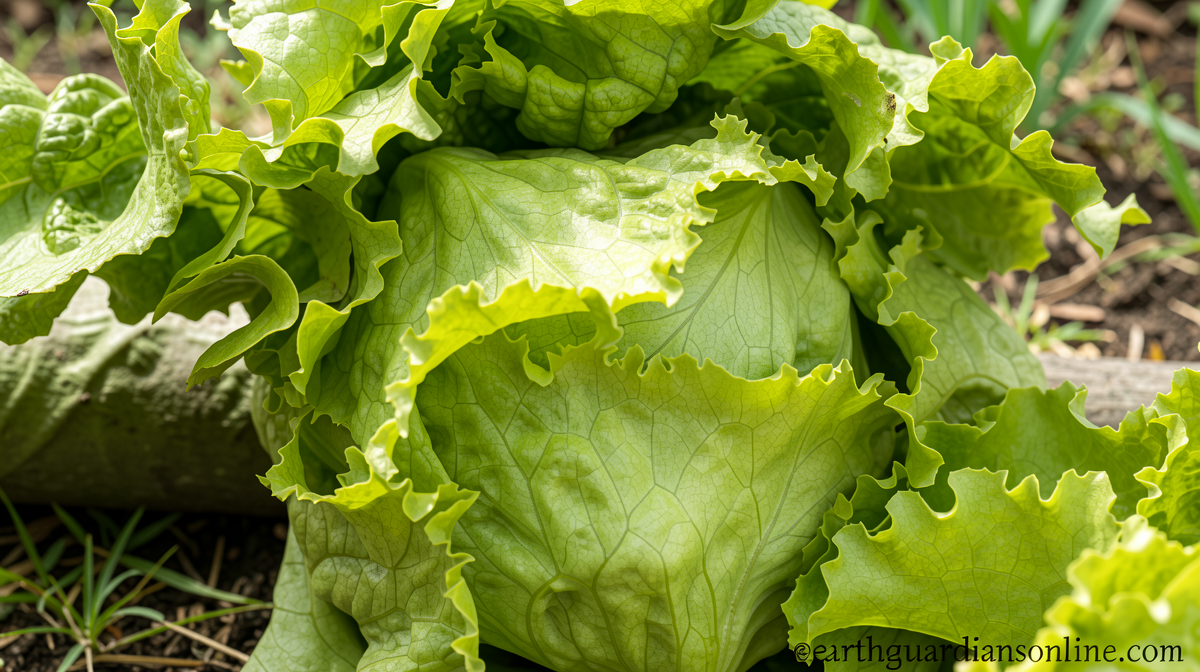
Is It Safe to Eat Lettuce? Outbreak Update
Earthguardiansonline.com – Is it safe to eat lettuce right now? That question has dominated grocery-aisle conversations since the summer cyclosporiasis cluster first made headlines. Federal investigators are still closing out the last epidemiological threads, but the practical answer for most shoppers has settled: the recalled product has left the supply chain, and public-health authorities agree that remaining shelf stock carries no elevated risk tied to this specific incident. You can put a head of iceberg back on the table.
What FDA Confirmed About the Recall
In a statement issued last week, the US Food and Drug Administration confirmed that every unit of the implicated iceberg product has been withdrawn from commerce. The agency stressed that affected packs should no longer appear at retail checkouts or in restaurant supply lines. That single fact — the contaminated batches are physically gone — is what separates an ordinary shopping trip from a precautionary one.
“In terms of the risk to consumers now, if today for dinner you wanted to go out and eat a salad, you’re pretty safe from cyclospora at this point, as far as we know,” said Matthew Moore, an associate professor of food science at the University of Massachusetts Amherst.
Moore’s read mirrors the broader expert consensus. The parasite behind the illness — a microscopic organism called Cyclospora cayetanensis — does not persist in produce indefinitely once contaminated units are removed. With the specific recalled batches out of play, the baseline risk of eating raw leafy greens returns to its ordinary, low level.
What the Numbers Actually Mean
The human toll remains substantial. As of the most recent joint update from the FDA and the US Centers for Disease Control and Prevention, the outbreak has been linked to 11,458 illnesses across 20 states. Of those affected, 495 required hospitalization, and two deaths have been attributed to the event. The majority of symptom onsets predate the July 17 recall announcement, consistent with the parasite’s incubation window of roughly two days to two weeks after ingestion.
The most recently reported illness onset falls on August 15. That date, however, does not signal a fresh wave of contamination. Dr. Colleen Kraft, a professor of infectious diseases at Emory University School of Medicine, framed the distinction clearly in written correspondence:
“The most recent reported illness onset is August 15. But this is an important distinction: a newly reported case is not necessarily a newly acquired infection. There can be a substantial delay between someone becoming ill, being diagnosed, being interviewed by public health officials, and ultimately having their illness linked to an outbreak.”
State and federal epidemiologists can require up to six weeks to confirm whether a given diarrheal case belongs to the ongoing cluster. Until that verification window closes, case counts will continue to tick upward even if no new person has ingested contaminated produce.
Practical Steps at Home
If a recalled package is still tucked in a refrigerator drawer, the guidance is straightforward: check the brand (Marketside) and the best-if-used-by date (July 18 through August 3). If both match, discard the product. For everything else on the shelf, wash produce under running water before use, as you would for any raw item. The investigation traced the supply chain from select Taco Bell locations through Taylor Farms, a major produce distributor, to growers operating in central Mexico. Taylor Farms de Mexico announced the withdrawal on July 17, and the formal recall encompassed both salad packs and shredded cuts from that origin.
From that point forward, agency guidance shifted from “avoid all iceberg” to “avoid the specific recalled product.” Kraft made the distinction explicit: FDA is not advising consumers to avoid the category in general, and she is comfortable with people eating the product currently being sold. There is always some baseline risk associated with raw produce, but there is no current recommendation to shun the entire category because of this outbreak.
Frequently Asked Questions
Do I need to throw out all the iceberg in my fridge? No. Only discard packs matching the recalled brand and date range. Everything else on the shelf is fine to eat after normal washing.
Can I still order a salad at a restaurant? Yes. The recalled units have been pulled from restaurant supply chains as well. If you have lingering concerns, ask whether the establishment received product from the affected distributor, though most have already switched sources.
How long will case numbers keep rising? Up to six weeks after the last confirmed exposure. A rising count does not mean new infections are occurring; it reflects the lag between illness, diagnosis, and epidemiological linkage.
What symptoms should prompt a call to a doctor? Persistent diarrhea lasting more than a week, fever above 101 °F, signs of dehydration, or symptoms in young children, older adults, and immunocompromised individuals warrant medical attention.