
Michigan says diarrhea outbreak may be linked to lettuce, salad greens as cases rise above 3,000
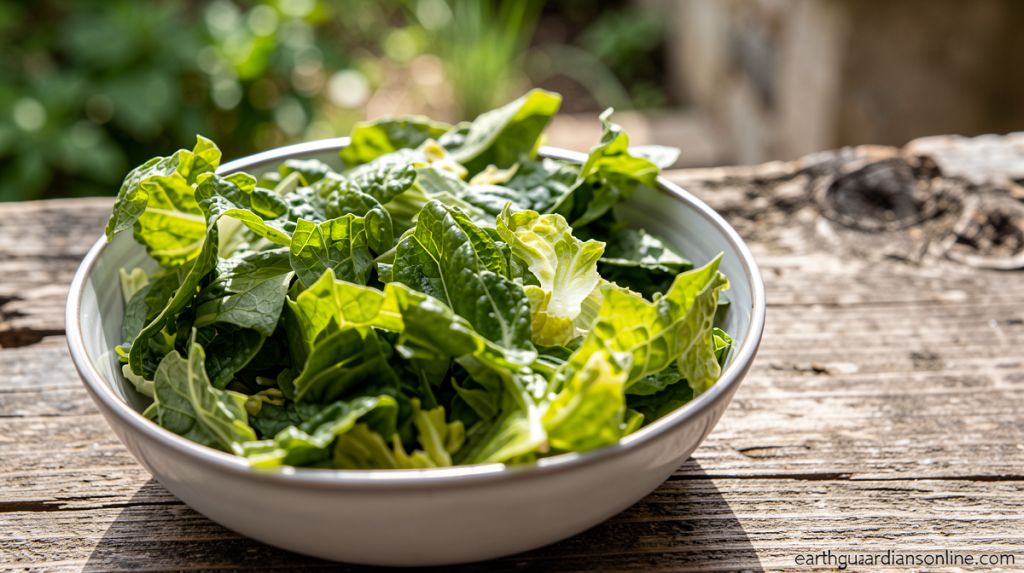
Michigan and Ohio Lead Surge in Cyclospora Cases Linked to Leafy Greens
Michigan says diarrhea outbreak may be linked – Health authorities in Michigan and Ohio are currently grappling with a significant surge in gastrointestinal illness caused by the cyclospora parasite. The total number of affected individuals has now surpassed the 3,000 mark across both states. While preliminary findings point toward lettuce or mixed salad greens as the likely culprit, officials caution that other food items cannot yet be eliminated from consideration. To date, no specific grower, supplier, or particular variety of produce has been definitively pinpointed as the origin of the contamination.
Dr. Natasha Bagdasarian, who serves as Michigan’s chief medical executive, provided clarity on the situation during a statement released on Monday. She noted that initial data consistently highlights lettuce as a frequent item appearing in patient histories. “Early information has shown lettuce as a common product that regularly comes up during the investigation,” she explained. The state health department confirmed that their comprehensive inquiry remains active as they gather more evidence.
Case Numbers and Hospitalizations Rise
As of 9:30 a.m. on Monday, Michigan had documented 2,640 confirmed cases of the illness. Among these patients, 44 required hospital care due to severe symptoms. Meanwhile, Ohio has reported 361 cases since the beginning of June. That state has also seen at least 46 individuals admitted to hospitals. Nationwide, the scope of the issue appears broader, with 31 states submitting case reports to the US Centers for Disease Control and Prevention (CDC) by July 10. It remains uncertain whether every reported case belongs to this single, unified outbreak event.
The CDC observed a notable uptick in infections across multiple states over the past fortnight when compared to the same timeframe in 2025. On Friday, the agency clarified that its national tally stands at 843 confirmed cases since May 1. This figure is lower than the aggregate sum reported by individual states, a discrepancy attributed to the time needed for thorough case analysis and verification.
Challenges in Identifying the Source
Pinpointing the exact origin of such outbreaks presents considerable hurdles for investigators. Diagnosing cyclosporiasis often involves a delay, as patients must remember their dietary habits from several weeks prior. Furthermore, conducting genomic testing on these cases adds layers of complexity. Compounding these technical difficulties are recent reductions in funding for public health systems responsible for monitoring foodborne diseases.
In 2025, following substantial staff and budget reductions, the CDC reduced the scope of its FoodNet surveillance system. This collaborative effort involves the USDA, FDA, CDC, and ten state health departments. Historically, FoodNet proactively sought out foodborne illness cases by contacting laboratories directly for results instead of waiting for passive reports. Before July 1, 2025, the network tracked eight different pathogens, including cyclospora. Currently, it focuses primarily on two: salmonella and a particularly virulent strain of E. coli. Monitoring for other pathogens, including cyclospora, is now optional.
“I don’t think it’s in our country’s interest to cut these programs back,” former CDC Director Dr. Robert Redfield stated on Monday. “Surveillance is sort of the key to early identification.”
Despite the changes, cyclosporiasis remains a nationally notifiable condition. This means that once a case is confirmed, it is reported to state health departments and subsequently forwarded to the CDC. However, experts argue that the reduced capacity of the surveillance network makes tracking this specific pathogen less robust than in previous years.
Technical Hurdles and Funding Stability
The US Department of Health and Human Services anticipates that cyclosporiasis cases will continue to climb throughout the summer season. Agencies are coordinating with federal and state partners to monitor both case volumes and geographic clustering. Emily Hilliard, a spokesperson for the department, emphasized the ongoing collaboration. “FDA and CDC are actively engaged with state partners to identify the source of the growing number of illnesses,” she said in an emailed statement.
Hilliard also addressed concerns regarding the surveillance infrastructure. “To be clear, CDC continues to collect these data on cyclospora through surveillance systems other than FoodNet, and reporting is conducted through those systems,” she added. Regarding financial support, she noted that funding for state-level foodborne disease activities has stayed consistent, with roughly $33 million distributed each year.
Tracking cyclospora proves more challenging than monitoring bacteria like E. coli or salmonella. For those bacterial strains, scientists can sequence DNA to match the genetic fingerprint of the illness-causing strain against samples found in contaminated food or water. This gene matching technique allows researchers to detect outbreaks quickly. A national network known as PulseNet performs this sequencing constantly, comparing DNA fingerprints in near-real time
