
What eggs, jalapeños, chickens and chameleons have in common this summer: salmonella
Summer Salmonella Surge: Multiple Outbreaks Sweep Across America
Earthguardiansonline.com – A wave of salmonella infections is currently affecting communities nationwide, with hundreds of individuals falling ill across dozens of states. Health officials have confirmed at least one fatality linked to these concurrent outbreaks. The Centers for Disease Control and Prevention projects that salmonella generates approximately 1.35 million infections annually, resulting in roughly 420 fatalities. While contaminated food remains the primary culprit, companion animals have emerged as unexpected vectors for transmission.
Egg Contamination Triggers Recall
One significant outbreak centers on shell eggs manufactured in Texas and distributed through both wholesale channels and retail locations. Midwest Poultry Services initiated a recall encompassing more than 1.5 million dozen containers after potential contamination was identified. The Food and Drug Administration notes that this producer represents only a portion of affected cases, prompting an ongoing investigation into additional sources.
Within this egg-related outbreak, health authorities documented 98 confirmed cases alongside 26 hospitalizations spanning 17 states. Distribution networks included Kroger locations across Texas and Louisiana, Brookshire Grocery outlets in Texas, Oklahoma, Arkansas, and Louisiana, plus independent retailers throughout those states and in New Mexico and Mississippi.
Consumers should check their refrigerators for eggs bearing brand names such as Simple Truth, Brookshire’s, Country Morning, Kroger, and Cal-Maine. Products carrying “sell by” or “best used by” dates ranging from July 20 through August 17 fall within the affected timeframe.
Jalapeño Peppers Linked to Widespread Illness
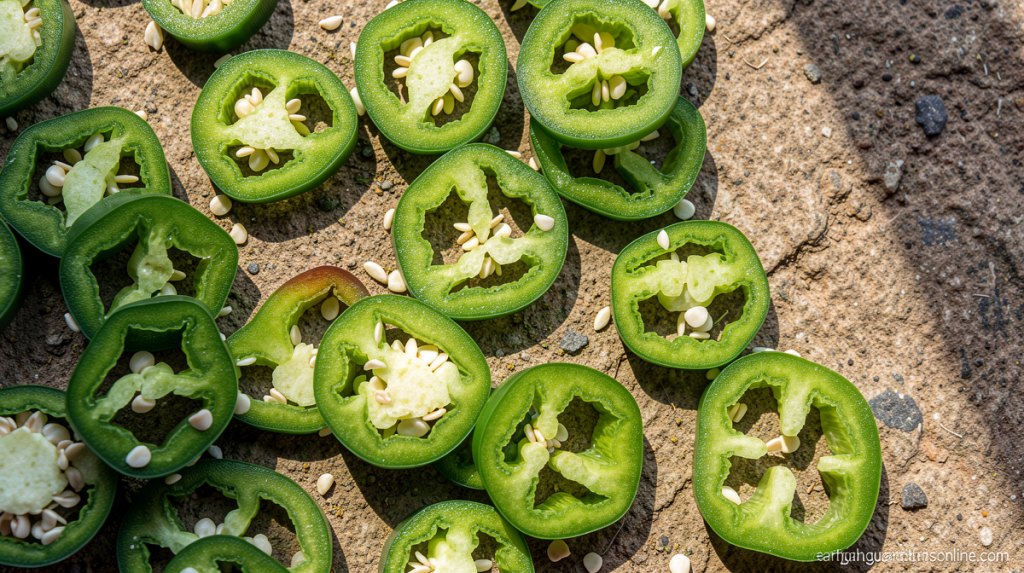
A separate outbreak involves jalapeño peppers cultivated in Sinaloa, Mexico, and distributed by Coast Citrus Distributors. By early August, the CDC recorded 345 cases across 27 states, with 36 individuals requiring hospitalization. Unlike the egg distribution, these peppers primarily reached restaurants, wholesalers, and food service establishments rather than grocery store shelves.
Health officials caution that the actual case count likely exceeds current figures. Investigators continue interviewing affected individuals to identify common food sources. Most patients reported dining at Mexican-style restaurants—including Chipotle and Qdoba—during a window between June 14 and July 14. Both restaurant chains have since removed the implicated products from their menus.
Backyard Poultry and Pet Reptiles Add to the Burden
Animal-related outbreaks have proven particularly extensive. Eight multistate incidents connected to backyard chickens and ducks have affected 814 people across 44 states. Only South Carolina, New Mexico, Arizona, Delaware, Rhode Island, and Hawaii have reported no cases linked to backyard flocks. Children under five years old represent one-quarter of all affected individuals.
One particularly large outbreak featured what the CDC described as an “unusually high number of people reporting contact with ducks.” By late July, 201 cases had progressed to requiring hospital care, and one death was confirmed.
A smaller but notable outbreak involved veiled chameleons purchased from various pet stores. Beginning in February and concluding its investigation in June, this outbreak exclusively affected children under three years old. Cases appeared in Nebraska, Iowa, Oklahoma, and Texas, with two children requiring hospitalization.
Understanding Symptoms and Risk Factors
Salmonella symptoms typically emerge between six hours and six days following exposure through contaminated food, beverages, or contact with infected animals and surfaces. Greater bacterial exposure generally produces more rapid symptom onset.
Produce-borne salmonella usually involves lower bacterial doses compared to prepared foods, which face higher cross-contamination risks and may remain at improper temperatures longer, allowing bacterial multiplication. Common symptoms include stomach cramps, fever, nausea, vomiting, and potentially bloody diarrhea. Additional manifestations can involve painful swollen joints, severe back pain, frequent urination with discomfort, night sweats, general malaise, and chest pain.
Most infections resolve within four to seven days without medical intervention. However, individuals with underlying health conditions, pregnant women, elderly patients, young children, and those with compromised immune systems face elevated risks for severe complications. Hospitalization may become necessary for patients experiencing high fevers or incapacitating bloody diarrhea. Antibiotics are not routinely prescribed for salmonella infections.
Prevention and Moving Forward
As investigators work to identify remaining sources of contamination, public health officials recommend thorough handwashing after handling eggs, produce, and pets. Cooking eggs to proper temperatures and washing produce before consumption remain essential preventive measures. Consumers should monitor for symptoms and seek medical attention if illness persists or worsens beyond the typical recovery window.
Related Reading
Frequently Asked Questions
What is What eggs jalapeños chickens and chameleons?
What eggs jalapeños chickens and chameleons is the main topic of this guide. The article explains the context, practical details, and next steps readers should understand.
Why does What eggs jalapeños chickens and chameleons matter?
What eggs jalapeños chickens and chameleons matters because readers are looking for a useful answer, not just a short summary. Good content should match search intent and help them decide what to do next.
