
History of Colonialism and Decolonization: Key Events and Legacy
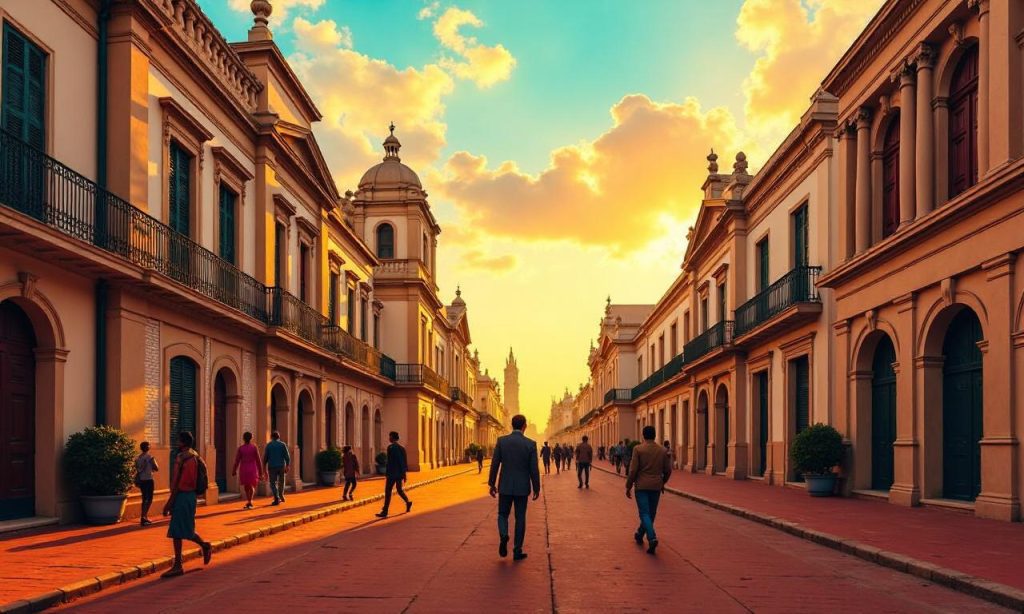
The history of colonialism and decolonization is a pivotal chapter in human development, shaping the political, economic, and cultural landscapes of the modern world. Colonialism refers to the practice of one country asserting control over another, often through economic exploitation, military dominance, and cultural assimilation. It began in the 15th century with European exploration and expanded rapidly during the Age of Exploration. Decolonization, on the other hand, marks the process of regaining independence from colonial powers, driven by nationalist movements, international pressure, and shifts in global power dynamics. Understanding the history of colonialism and decolonization provides insight into how nations were reshaped, how identities were formed, and the enduring effects of these historical forces on contemporary societies.
Origins of Colonialism
Colonialism emerged as a result of exploratory voyages by European nations seeking new trade routes and resources. The Age of Exploration (15th–17th centuries) saw Spain, Portugal, and later the Netherlands, Britain, and France establish vast empires across the Americas, Africa, and Asia. Motivated by economic gain, religious conversion, and political ambition, these powers sought to expand their influence through military conquest, trade agreements, and cultural dominance. The transatlantic slave trade and the exploitation of indigenous lands were central to this early phase of colonial expansion, laying the foundation for global systems of exploitation and control.
Key Events in Colonial Expansion
The Scramble for Africa in the late 19th century exemplifies the height of colonial dominance, as European powers divided the continent among themselves through the Berlin Conference (1884–1885). This event formalized the colonial borders that would shape African nations for decades. Meanwhile, the British Empire became the largest colonial power, establishing control over regions like India, Australia, and the Caribbean. French colonialism emphasized cultural integration, while Portuguese and Spanish colonies often focused on resource extraction. The late 19th and early 20th centuries also saw the rise of neo-colonialism, where economic influence replaced direct political control, maintaining power imbalances in former colonies.
The Impact of Colonialism on Indigenous Societies
Colonialism disrupted local economies, social structures, and cultural traditions. In Africa, forced labor systems and land seizures led to systemic poverty and political fragmentation. In Asia, British and Dutch policies introduced Western education and legal systems, which often clashed with traditional governance. Cultural assimilation was a key tool, as colonial powers promoted European languages, religions, and social norms to legitimize their rule. However, resistance movements such as the Haitian Revolution (1791–1804) and the Indian independence movement challenged colonial authority and inspired global decolonization efforts.
The Decolonization Movement and Its Drivers
Decolonization gained momentum in the 20th century, fueled by world wars, economic crises, and rising nationalist sentiments. The collapse of empires after World War I, particularly the German and Austro-Hungarian empires, created opportunities for new nations to emerge. In India, Mahatma Gandhi’s nonviolent resistance and the Quit India Movement (1942) led to British withdrawal in 1947. Similarly, French Algeria and Belgian Congo experienced massive uprisings that forced their colonial rulers to negotiate independence. The Cold War also played a role, as decolonization became a tool for ideological competition between Western democracies and communist states.
Decolonization: A Global Phenomenon
Decolonization was not limited to European colonies; it also occurred in American, Russian, and Japanese territories. For example, Guatemala and Mexico gained independence from Spanish rule in the 19th century, while Indonesia became the last Dutch colony to achieve independence in 1949. The United Nations and international organizations supported decolonization by promoting self-determination and human rights. However, the process was uneven, with some nations achieving peaceful transitions, while others faced violent conflicts. The history of colonialism and decolonization reveals both resilience and injustice, as former colonies sought to reclaim their sovereignty and cultural heritage.
The Lasting Legacy of Colonialism and Decolonization
The legacy of colonialism persists in economic disparities, political systems, and cultural identities. Many former colonies still grapple with unequal trade relationships and historical debt imposed by colonial powers. Decolonization also left complex legacies, as new nations inherited colonial institutions while striving to build their own governance models. The history of colonialism and decolonization continues to influence global geopolitics, cultural exchanges, and historical narratives. Today, movements for decolonization focus on restoring indigenous voices, addressing historical injustices, and challenging neocolonial influences in international affairs.
Modern Interpretations and Continued Influence
In the 21st century, the history of colonialism and decolonization is reexamined through the lens of postcolonial studies, critical theory, and globalization. Scholars analyze how colonial legacies shape modern inequalities, while decolonization efforts extend to language, education, and cultural representation. Neocolonialism, often disguised as economic partnerships or cultural influence, remains a controversial topic in global discussions. The ongoing struggle between colonial powers and former colonies highlights the enduring impact of historical forces, even as new nations strive to define their own identities and navigate global challenges.
The Role of Technology and Globalization
Technological advancements played a critical role in both colonial expansion and decolonization. The steam engine, railways, and telegraph enabled colonial powers to control remote regions more efficiently, while radio and television became tools for nationalist movements to mobilize support. Globalization has further complicated the history of colonialism and decolonization, as economic interdependence creates new forms of influence. Despite independence, many former colonies remain economically tied to former rulers, prompting debates on true sovereignty. The digital age now allows for global narratives to be reshaped, ensuring that the history of colonialism and decolonization remains a central theme in historical discourse.

Resistance and the Fight for Independence
Throughout the history of colonialism and decolonization, resistance movements have been instrumental in toppling oppressive regimes. In Asia, Vietnam’s resistance against French rule and China’s pushback against British influence demonstrated the power of local leaders and grassroots mobilization. African nations like Kenya and Nigeria saw armed struggles and political negotiations that led to independence. The history of colonialism and decolonization also includes indigenous leaders who used diplomacy and strategy to challenge colonial dominance. These movements not only freed nations from foreign control but also fostered new identities and demands for equality.
The Future of Decolonization
Decolonization is now more than a historical process; it is an ongoing movement that addresses systemic inequalities and cultural erasure. Contemporary decolonization efforts focus on restoring indigenous knowledge, redistributing resources, and reclaiming historical narratives. Education systems are being reformed to highlight pre-colonial achievements and challenge Eurocentric perspectives. The history of colonialism and decolonization remains a touchstone for global justice, inspiring activists and scholars to question power structures and advocate for equity. As new generations engage with this history, they continue to shape the future of decolonization and global solidarity.
Conclusion
The history of colonialism and decolonization offers a comprehensive view of how power was transferred and reclaimed across the globe. From the early exploration of the 15th century to the 20th-century independence movements, this history is marked by resilience, conflict, and transformation. While colonialism imposed dominance and inequality, decolonization empowered nations to redefine their futures. The legacy of these events continues to influence modern societies, underscoring the importance of understanding the complex interplay of history, culture, and power.
FAQ
Q: What were the main causes of colonialism? A: Colonialism was driven by economic gain, religious expansion, and political ambition, with European powers seeking resources and territorial control.
Q: How did decolonization start in the 20th century? A: Decolonization began after World War I, as empires weakened and nationalist movements gained momentum.
Q: What role did technology play in colonialism and decolonization? A: Technology like the steam engine and radio enabled colonial control and later mobilized resistance.
Q: Which countries were the first to achieve decolonization? A: Haiti became the first independent nation in the history of colonialism and decolonization in 1804.
Q: What are the lasting effects of colonialism today? A: Colonialism’s legacy includes economic disparities, cultural hybridity, and ongoing debates about neocolonial influence.
