
History of Trade Routes and Globalization: How Trade Routes Shaped Globalization
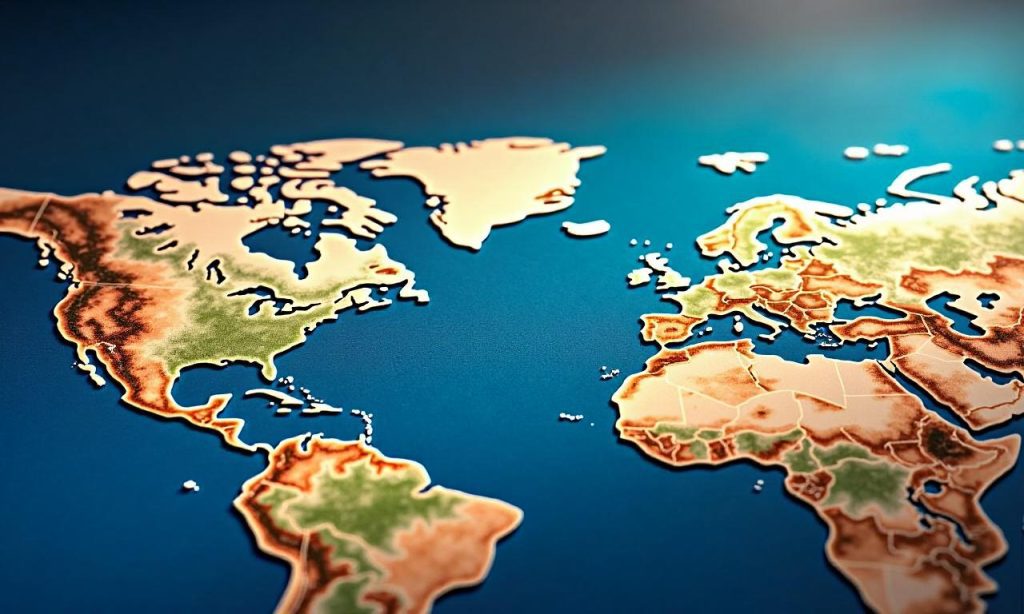
The history of trade routes and globalization is a compelling narrative of human connection, innovation, and the evolution of economic systems. From ancient caravans to modern digital networks, trade routes have been instrumental in shaping how goods, ideas, and cultures move across the world. This article explores the history of trade routes and globalization, tracing their origins, development, and lasting impact on global interconnectedness. By examining key historical examples, we can better understand how these routes laid the groundwork for the interconnected world we live in today.
The Dawn of Trade: Early Civilizations and the Birth of Global Exchange
The earliest trade routes emerged as early civilizations developed surplus production and the need to exchange goods beyond their local communities. In Mesopotamia, the Fertile Crescent, and the Indus Valley, people began trading raw materials like timber, metals, and textiles. These initial routes were often established along rivers and natural pathways, enabling the movement of goods and the spread of ideas. The Silk Road, for instance, would later become a crucial link between Asia and the Mediterranean, but its origins lie in these early exchanges.
The Silk Road: Bridging Continents and Cultures
One of the most iconic trade routes in history, the Silk Road, connected China to the Mediterranean through a network of land and sea paths. It facilitated not only the exchange of silk and spices but also the transmission of religions, languages, and technologies. The history of trade routes and globalization is deeply intertwined with the Silk Road’s role in fostering cross-cultural interactions. Merchants, scholars, and travelers from diverse regions brought their goods and knowledge, creating a dynamic system of trade and innovation that spanned thousands of miles.
Maritime Trade Routes: Expanding the Reach of Commerce
As civilizations grew, so did the need for faster and more efficient trade networks. The development of maritime routes marked a significant shift in global commerce. The Indian Ocean Trade Network, for example, linked Africa, the Middle East, and Asia, allowing the exchange of goods like ivory, textiles, and precious stones. Similarly, the Trans-Saharan Trade Routes enabled the movement of gold, salt, and slaves between North Africa and Sub-Saharan regions. These routes expanded the scope of trade, laying the foundation for a more interconnected world.
The Age of Exploration: Opening New Pathways for Globalization
The 15th and 16th centuries saw the rise of the Age of Exploration, which dramatically altered the history of trade routes and globalization. European powers like Portugal, Spain, and the Netherlands established new sea routes, connecting the Americas, Africa, and Asia for the first time. The Columbian Exchange, a direct result of these voyages, introduced crops, animals, and technologies across continents. This period not only expanded trade but also initiated the global flow of resources and ideas, accelerating the process of globalization.
Industrial Revolution and the Rise of Global Trade Networks
The Industrial Revolution in the 18th and 19th centuries transformed trade routes into complex global systems. The invention of steamships, railroads, and telegraphs revolutionized transportation and communication, enabling faster and more reliable trade. Meanwhile, colonial expansion further integrated economies, creating trade routes that linked distant regions for the first time. The history of trade routes and globalization shows how industrial advancements turned trade into a driving force of economic growth and cultural diffusion.
Modern Globalization: The Legacy of Historical Trade Routes
Today’s globalization is a direct extension of the trade routes that have shaped human history. Digital technology, container shipping, and air travel have made trade faster and more accessible, but the history of trade routes and globalization reveals that these modern systems are built on centuries of established patterns. The principles of exchange, cooperation, and innovation that defined ancient trade routes still underpin global commerce. As nations continue to rely on interconnected markets, the legacy of historical trade routes remains evident in the world’s economic and cultural landscape.
The Impact of Trade Routes on Cultural and Technological Exchange
Beyond economic transactions, trade routes served as conduits for cultural and technological exchange. The spread of religions such as Buddhism, Christianity, and Islam along the Silk Road illustrates how trade facilitated the movement of beliefs. Similarly, technologies like papermaking, printing, and gunpowder traveled from Asia to Europe via these networks. This blending of ideas not only enriched societies but also fostered innovation and mutual understanding. The history of trade routes and globalization underscores how commerce has always been a vehicle for broader societal transformation.
Challenges and Evolution of Trade Routes Through Time
Throughout history, trade routes have faced challenges such as political instability, natural disasters, and technological shifts. The Trans-Saharan Trade Routes, for instance, declined with the rise of the Ottoman Empire and the advent of maritime alternatives. Similarly, the Silk Road diminished in importance after the Mongol Empire’s fall. Yet, each challenge spurred the development of new routes, adapting to changing needs. This evolution highlights the resilience and adaptability of trade networks, which continue to shape the modern era of globalization.
The Role of Trade Routes in Economic Integration
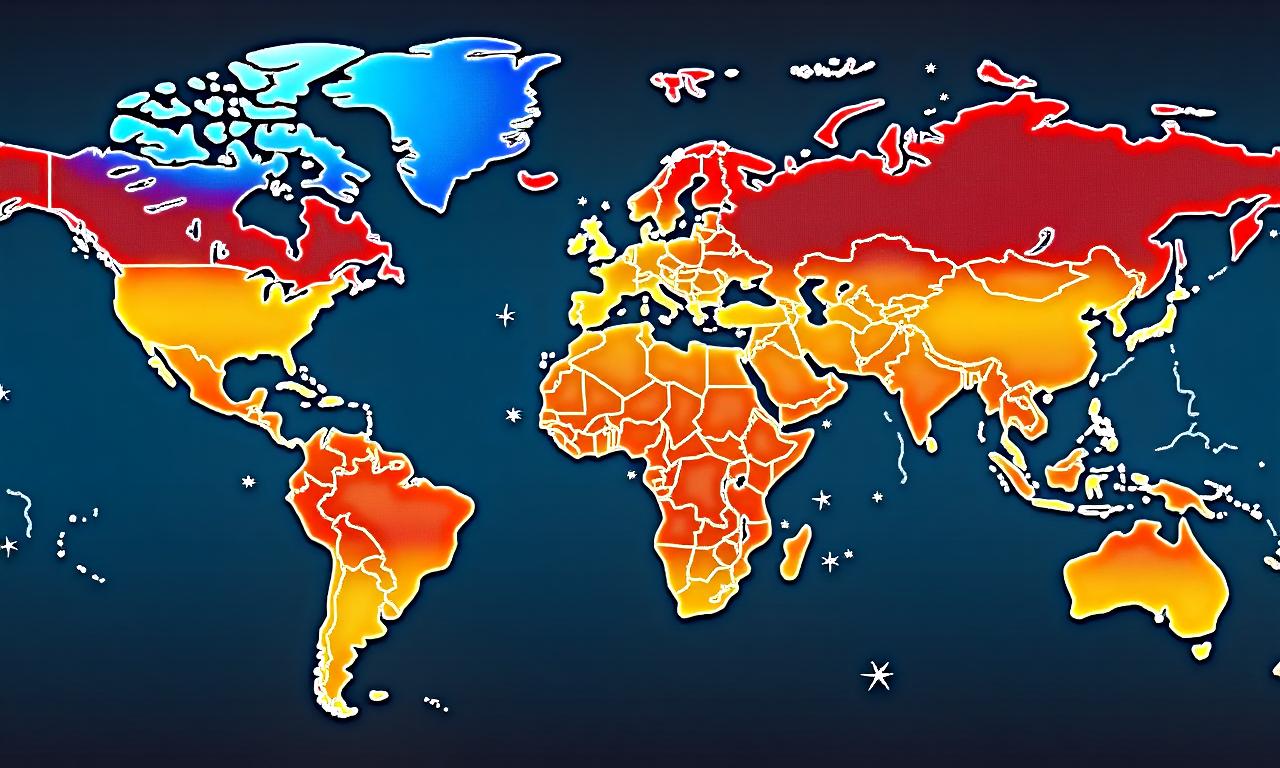
Trade routes have played a pivotal role in economic integration by connecting regions and enabling the flow of capital, labor, and goods. The establishment of the history of trade routes and globalization as a continuous process allowed for the specialization of industries and the creation of global supply chains. By linking producers and consumers across vast distances, these routes fostered economic interdependence, a hallmark of today’s globalization.
Future Trends: Technology and the Next Era of Trade
As we look to the future, technology is set to redefine trade routes once again. The rise of digital platforms, blockchain, and artificial intelligence is streamlining transactions and reducing barriers to entry. Meanwhile, the history of trade routes and globalization continues to inspire new innovations in logistics and transportation. The seamless movement of goods across borders, driven by advancements in technology, promises a more efficient and interconnected world.
The Interconnected World: A Legacy of Trade
The history of trade routes and globalization is a testament to humanity’s desire to connect and collaborate. From the Silk Road to the digital economy, trade has consistently been a catalyst for progress. By understanding this historical context, we gain insight into the forces that shape today’s globalized world. The evolution of trade routes reflects not only economic development but also the shared aspirations of cultures and civilizations to thrive together.
FAQ
Q: How did ancient trade routes influence globalization? A: Ancient trade routes, like the Silk Road and maritime networks, enabled the exchange of goods, ideas, and cultures, laying the groundwork for global interconnectedness.
Q: What was the significance of the Silk Road in the history of trade routes and globalization? A: The Silk Road connected Asia and the Mediterranean, fostering cross-cultural interactions and technological transfers that accelerated globalization.
Q: How did maritime trade routes contribute to economic growth? A: Maritime routes expanded commerce by linking distant regions, allowing the exchange of valuable resources and enabling the rise of global markets.
Q: What role did the Industrial Revolution play in modern globalization? A: The Industrial Revolution introduced advanced transportation and communication technologies, transforming trade routes into the complex systems that drive today’s globalization.
Q: How do historical trade routes inform current global trade practices? A: The history of trade routes and globalization shows that trade networks evolve to meet new needs, influencing today’s strategies for international cooperation and economic integration.
