
How Coretta Scott King Forged Her Own Legacy
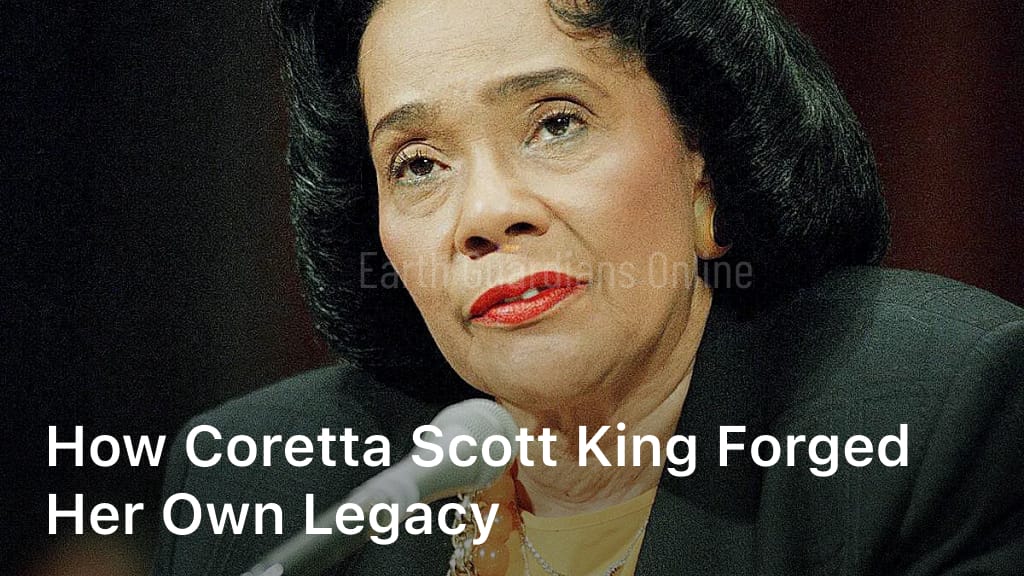
Coretta Scott King, an iconic figure in the American Civil Rights Movement, was more than just the wife of Martin Luther King Jr. She was a trailblazer in her own right, contributing significantly to the fight for equality and justice. Her journey is a testament to courage, resilience, and unwavering commitment to social change.
Early Life and Education
Born in 1927 in Marion, Alabama, Coretta Scott grew up in a nurturing environment that instilled in her a strong sense of justice and equality. Despite facing racial segregation and discrimination, she excelled academically and was determined to pursue her education. After graduating high school as valedictorian, she attended Antioch College in Ohio, where she became involved in activism, joining the local chapter of the NAACP.
Meeting Martin Luther King Jr.
It was during her studies at Antioch College that Coretta Scott met Martin Luther King Jr., a charismatic young minister who shared her passion for social justice. Their meeting marked the beginning of a partnership that would shape the course of history. They married in 1953 and embarked on a journey of activism together, fighting side by side for racial equality and civil rights.
Role in the Civil Rights Movement
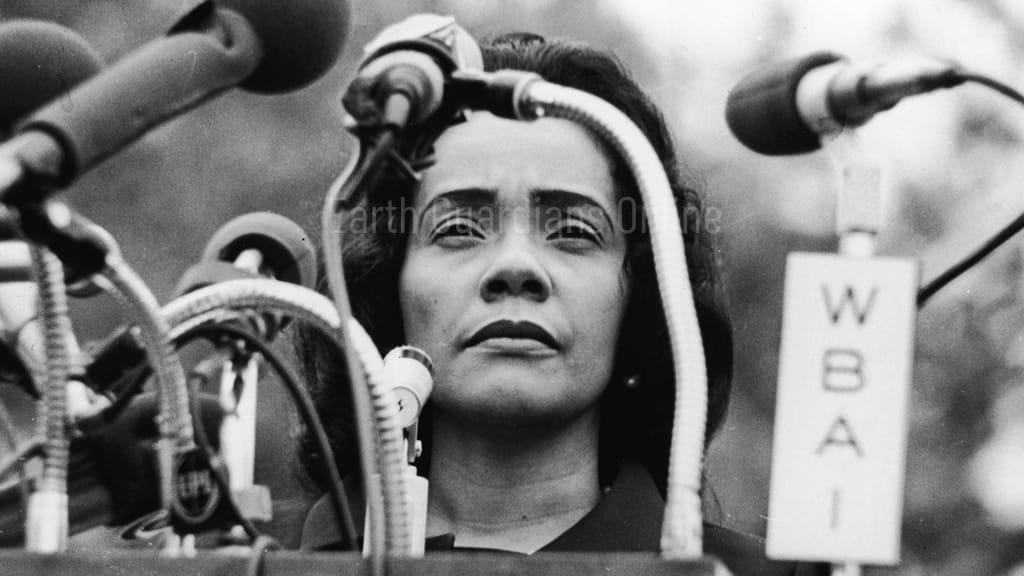
Throughout the Civil Rights Movement, Coretta Scott King played a pivotal role in organizing protests, marches, and boycotts. She stood by her husband’s side during the Montgomery Bus Boycott and the Selma to Montgomery marches, advocating for nonviolent resistance as a means of achieving social change. Her eloquence and grace made her a powerful voice for the movement, inspiring countless individuals to join the fight for justice.
Championing Human Rights
Coretta Scott King’s activism extended beyond the borders of the United States. She was a staunch advocate for human rights on the international stage, speaking out against apartheid in South Africa and supporting liberation movements around the world. Her tireless efforts to promote peace and justice earned her widespread respect and admiration.
Establishing the King Center
In 1968, following the assassination of Martin Luther King Jr., Coretta Scott King dedicated herself to preserving his legacy and continuing his work. She established the King Center in Atlanta, Georgia, as a living memorial to her husband’s vision of a beloved community. The center became a hub for activism, education, and research, inspiring future generations to carry on the fight for equality.
Continued Activism After MLK’s Death
Despite facing immense grief and hardship, Coretta Scott King remained steadfast in her commitment to social justice. She expanded her activism to address issues such as poverty, women’s rights, and LGBTQ+ rights, recognizing the interconnectedness of various forms of oppression. Her leadership and advocacy continued to impact lives and communities around the world.
Legacy and Impact
Coretta Scott King’s legacy is immeasurable. Her courage, compassion, and unwavering dedication to justice have left an indelible mark on history. She is remembered not only as the wife of Martin Luther King Jr. but as a visionary leader in her own right, whose contributions continue to inspire and empower generations of activists.
Personal Life
In addition to her public role as an activist and leader, Coretta Scott King was a devoted mother and wife. She raised four children while navigating the challenges of activism and public life, demonstrating remarkable strength and resilience.
Challenges and Resilience
Coretta Scott King faced numerous challenges throughout her life, from enduring the violence and oppression of segregation to mourning the loss of her husband. Yet, she never wavered in her commitment to justice, facing adversity with grace and determination.
Remembering Coretta Scott King
Today, Coretta Scott King is remembered as a visionary leader who dedicated her life to the pursuit of equality and justice. Her legacy lives on through the countless individuals she inspired and the institutions she helped establish, reminding us of the power of ordinary people to effect extraordinary change.
Inspiration for Future Generations
Coretta Scott King’s life serves as a beacon of hope and inspiration for future generations. Her courage, resilience, and unwavering commitment to justice remind us that each of us has the power to make a difference in the world. As we honor her legacy, let us rededicate ourselves to the ongoing struggle for equality and justice for all.
Conclusion
Coretta Scott King forged her own legacy as a tireless advocate for equality and justice, leaving an indelible mark on history. Her courage, compassion, and unwavering commitment to social change continue to inspire and empower generations of activists. As we reflect on her life and legacy, let us remember her enduring message of hope, love, and perseverance.
FAQs
- Why is Coretta Scott King important in history? Coretta Scott King is important in history for her significant contributions to the Civil Rights Movement and her tireless advocacy for equality and justice.
- What were some of her major achievements? Some of Coretta Scott King’s major achievements include her role in organizing the Montgomery Bus Boycott, her advocacy for the Civil Rights Act of 1964, and her establishment of the King Center in Atlanta.
- How did Coretta Scott King contribute to the Civil Rights Movement? Coretta Scott King contributed to the Civil Rights Movement by organizing protests, marches, and boycotts, advocating for nonviolent resistance, and speaking out against racial injustice.
- What challenges did she face during her activism? Coretta Scott King faced numerous challenges during her activism, including violence, discrimination, and the loss of her husband, Martin Luther King Jr.
- How is Coretta Scott King remembered today? Coretta Scott King is remembered today as a visionary leader and tireless advocate for equality and justice, whose legacy continues to inspire and empower people around the world.
