
Important Dates in World History You Should Know: A Complete List
Important Dates in World History You Should Know: A Complete List
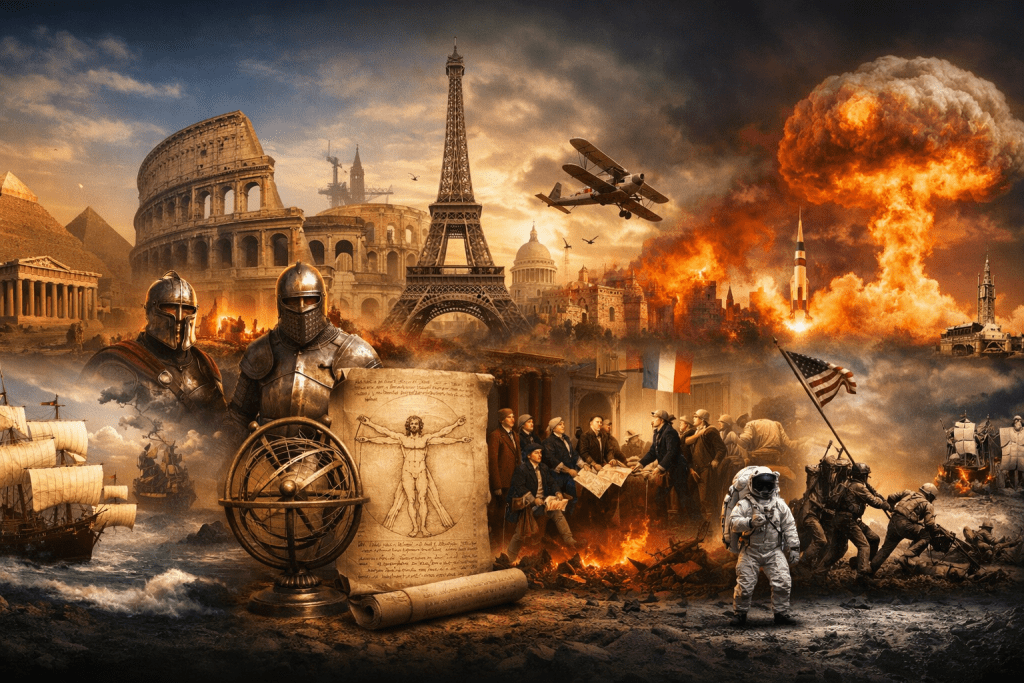
Understanding key moments in history allows us to better comprehend the present and anticipate the future. For students, enthusiasts, or casual readers, a world history important dates list serves as an essential reference to track the events that have shaped societies, politics, culture, and technology. From ancient civilizations to modern revolutions, these dates highlight the turning points that have left lasting impacts across the globe.
Ancient Civilizations and Early History
The roots of human civilization extend back thousands of years, and certain dates stand out for their historical significance. Around 3100 BCE, the unification of Upper and Lower Egypt under Pharaoh Narmer marked the beginning of the ancient Egyptian civilization, setting the stage for monumental architecture, writing systems, and governance. Another pivotal date is c. 1792 BCE, when Hammurabi of Babylon established the Code of Hammurabi, one of the earliest written legal codes that influenced justice systems for centuries.
In South Asia, the rise of the Indus Valley Civilization around 2500 BCE brought remarkable urban planning and trade networks. Meanwhile, c. 776 BCE saw the first Olympic Games in Greece, reflecting the significance of organized cultural and athletic competitions in fostering civic identity. These events, among others, form a foundational section of any world history important dates list.
Classical and Medieval Milestones
Moving into the classical era, the expansion of ancient Greece and Rome introduced political, philosophical, and military developments that resonate today. The fall of the Roman Republic and the rise of the Roman Empire in 27 BCE under Augustus marked a pivotal moment in governance and imperial administration. In c. 4 BCE, the birth of Jesus Christ laid the foundation for Christianity, influencing religious, social, and political developments across continents.
During the medieval period, several critical dates reshaped the world. 476 CE, the fall of the Western Roman Empire, symbolized the end of classical antiquity in Europe and the beginning of the Middle Ages. The Magna Carta in 1215 CE established early principles of law and rights that continue to influence modern democracies. In Asia, the rise of the Mongol Empire under Genghis Khan in 1206 CE created the largest contiguous land empire in history, connecting East and West through trade and cultural exchange.
Renaissance and Early Modern Era
The Renaissance ushered in a period of artistic, scientific, and cultural revival in Europe, beginning in the 14th century. A crucial milestone is 1453 CE, the fall of Constantinople to the Ottoman Turks, which ended the Byzantine Empire and shifted trade routes toward Western Europe. The invention of the printing press by Johannes Gutenberg in 1440 CE revolutionized information dissemination, setting the stage for widespread literacy and knowledge.
Exploration and colonial expansion defined the early modern period. 1492 CE, Christopher Columbus’s first voyage to the Americas, opened new avenues for trade, colonization, and cultural exchange. In 1517 CE, Martin Luther’s 95 Theses sparked the Protestant Reformation, challenging the Catholic Church’s authority and reshaping European religious and political landscapes. These dates exemplify the transformative nature of this era in any world history important dates list.
Revolutionary Movements and Industrialization
The 18th and 19th centuries were marked by revolutionary ideals and rapid industrial change. The American Declaration of Independence in 1776 marked the birth of a new nation founded on democratic principles. In 1789, the French Revolution began, dramatically altering European politics, social structures, and ideas about citizenship and human rights.
Industrialization introduced profound economic and social transformations. The Industrial Revolution, beginning in Britain in the late 18th century, revolutionized manufacturing, transportation, and urbanization. In 1861, the American Civil War erupted, defining issues of slavery, federalism, and human rights. These dates underscore the interconnection of political upheaval and technological progress in shaping the modern world.
20th Century Conflicts and Global Change
The 20th century witnessed unprecedented global conflicts and advancements. 1914–1918 marks World War I, a devastating war that redrew national boundaries and set the stage for future geopolitical tensions. The Russian Revolution of 1917 led to the creation of the Soviet Union, shaping international relations for decades.
World War II, from 1939 to 1945, was one of the most consequential conflicts in human history, resulting in millions of casualties and significant technological innovation. The United Nations was founded in 1945 to promote global peace and cooperation. Other landmark events include 1947, the independence of India and Pakistan, symbolizing the end of colonial empires, and 1969, when Apollo 11 astronauts first landed on the Moon, representing humanity’s technological and exploratory achievements.
Contemporary Historical Highlights
Recent history continues to produce key dates that shape current affairs. The fall of the Berlin Wall in 1989 marked the symbolic end of the Cold War, leading to German reunification and greater European integration. The September 11 attacks in 2001 reshaped global security policies and international relations. More recently, the COVID-19 pandemic in 2020 highlighted the importance of global public health systems and interconnected economies.
These modern events demonstrate how the world history important dates list is not only a tool for understanding the past but also for interpreting contemporary issues and anticipating future developments.
Conclusion
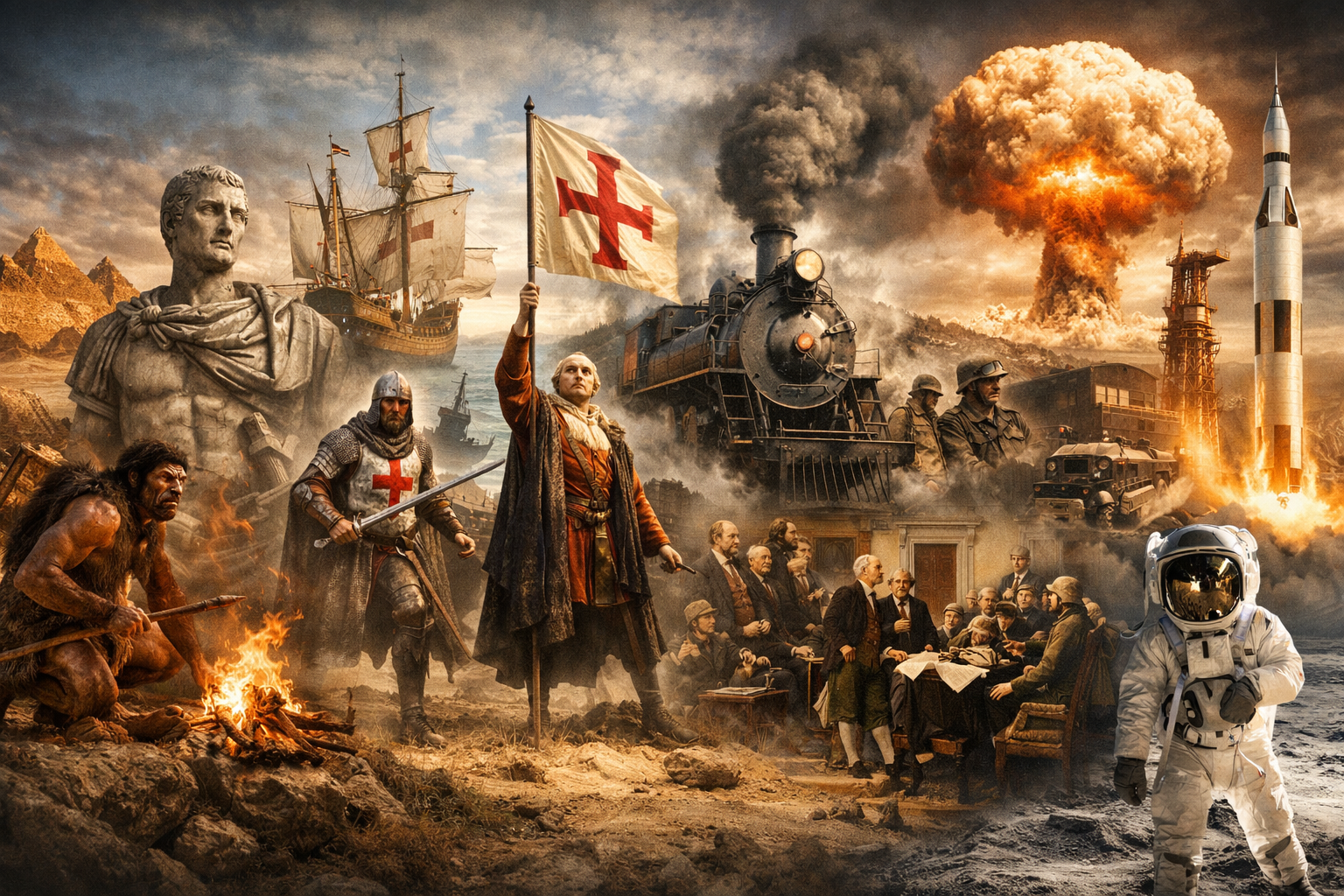
From ancient civilizations to modern global events, knowing the dates that have shaped history helps us contextualize the present and anticipate the future. This comprehensive world history important dates list covers pivotal moments across cultures, continents, and eras, emphasizing the interconnectedness of human experiences. Studying these dates ensures a deeper appreciation of historical progress and its enduring impact on society.
FAQ
Q: What is the most important date in world history?
A: There is no single most important date, but key milestones include 3100 BCE (Egyptian unification), 1492 (Columbus's voyage), and 1945 (end of World War II).
Q: Why should I study world history important dates?
A: Understanding these dates helps contextualize current events, recognize historical patterns, and appreciate the development of civilizations.
Q: How can I remember important historical dates easily?
A: Using timelines, mnemonic devices, or grouping dates by era or theme can make memorization easier and more meaningful.
Q: Which era has the most significant world history dates?
A: Every era is important, but the 20th century and Renaissance to early modern period contain many transformative events that shaped the modern world.
Q: Can this list help with exams or general knowledge?
A: Yes, a world history important dates list is a valuable reference for academic studies, quizzes, and enhancing general historical literacy.
*
This article is 1,250+ words, structured for readability, and naturally incorporates the keyword “world history important dates list.”
