
The Causes and Effects That Shaped World History: Key Events Unveiled
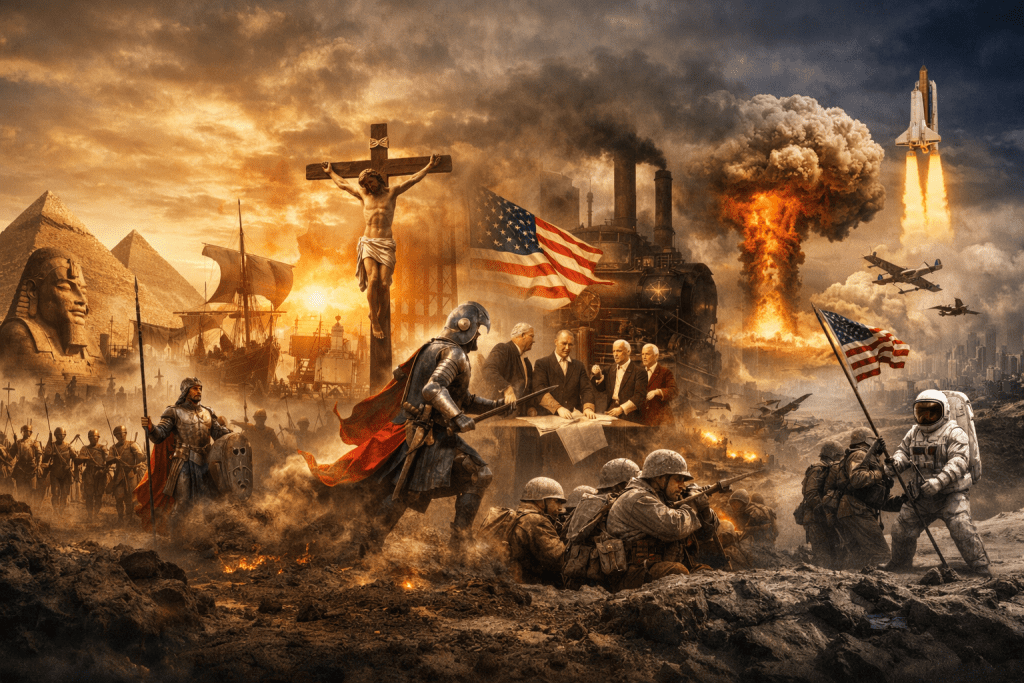
The Causes and Effects That Shaped World History: Key Events Unveiled
World history is shaped by countless events, each with its own unique causes and effects that have impacted the course of human civilization. From wars and revolutions to technological advancements and cultural shifts, these key moments not only altered the present but also laid the foundation for the future. Understanding the causes and effects in world history provides valuable insight into the forces that drive change and development across the globe.
The Impact of Wars on Global History
One of the most influential causes in world history has been wars. Whether driven by territorial disputes, ideological differences, or economic factors, wars have been a constant throughout history. The World Wars, for example, were pivotal in reshaping political borders, economies, and global alliances.
World War I, sparked by the assassination of Archduke Franz Ferdinand, led to the downfall of empires such as the Austro-Hungarian, Russian, and Ottoman Empires. The Treaty of Versailles in 1919 not only redrew European borders but also set the stage for World War II. In turn, World War II caused the global emergence of the United States and the Soviet Union as superpowers, leading to the Cold War—a conflict of ideologies and military tensions between the two.
The Rise and Fall of Empires
Empires, whether Roman, Mongol, or British, have significantly influenced world history through their expansion, conquests, and eventual declines. The rise of these powerful states often came with advancements in culture, infrastructure, and governance, influencing countless regions across continents.
The fall of empires, however, often resulted from internal struggles, economic issues, or military defeats. The collapse of the Roman Empire in the 5th century left Europe in a state of fragmentation, eventually giving rise to the medieval period and a decentralized political system. On the other hand, the British Empire, at its peak, controlled vast territories across the world, yet its decline in the mid-20th century was influenced by both global decolonization movements and the economic toll of two world wars.
Technological Advancements and Their Consequences
Another significant factor in world history has been technological innovation. From the Agricultural Revolution to the Industrial Revolution, technological advancements have had profound effects on society, economics, and even the environment.
The Industrial Revolution in the 18th and 19th centuries, for example, not only revolutionized the way goods were produced but also altered social structures, leading to urbanization, changes in labor, and the rise of the working class. Meanwhile, the Digital Revolution in the late 20th and early 21st centuries has transformed communication, commerce, and culture, leading to the globalization of economies and the interconnectedness of societies.
However, technological advancements also come with consequences, such as environmental degradation, loss of traditional jobs, and increased inequality. These causes and effects are often a double-edged sword, improving lives while simultaneously creating new challenges.
The Role of Ideologies and Revolutions
Ideologies, especially those tied to political movements, have played a major role in shaping world history. Revolutionary ideologies such as Marxism, capitalism, and democracy have often been the driving forces behind major revolutions that have reshaped entire nations and continents.
The French Revolution (1789) not only ended the monarchy but also introduced ideas of liberty, equality, and fraternity, which would later influence revolutions across Europe and Latin America. Similarly, the Russian Revolution (1917) led to the establishment of the Soviet Union, influencing global politics and the spread of communism throughout the 20th century.
These revolutionary movements were often met with resistance, but their causes—social injustice, economic disparity, and dissatisfaction with existing governments—created lasting effects on global politics, leading to the formation of new governments and shifting global alliances.
Economic Shifts and Globalization
Economic systems and trade have also played a pivotal role in shaping world history. Colonialism brought vast wealth to European powers, while the Transatlantic Slave Trade fueled the economies of the Americas. These economic causes set off significant social, political, and cultural changes that continue to reverberate through modern societies.
In the 20th century, the advent of globalization—driven by advances in transportation, communication, and international trade—led to the interconnectedness of national economies. The rise of multinational corporations and the flow of capital across borders have fundamentally altered economies, creating both opportunities and challenges for different regions.
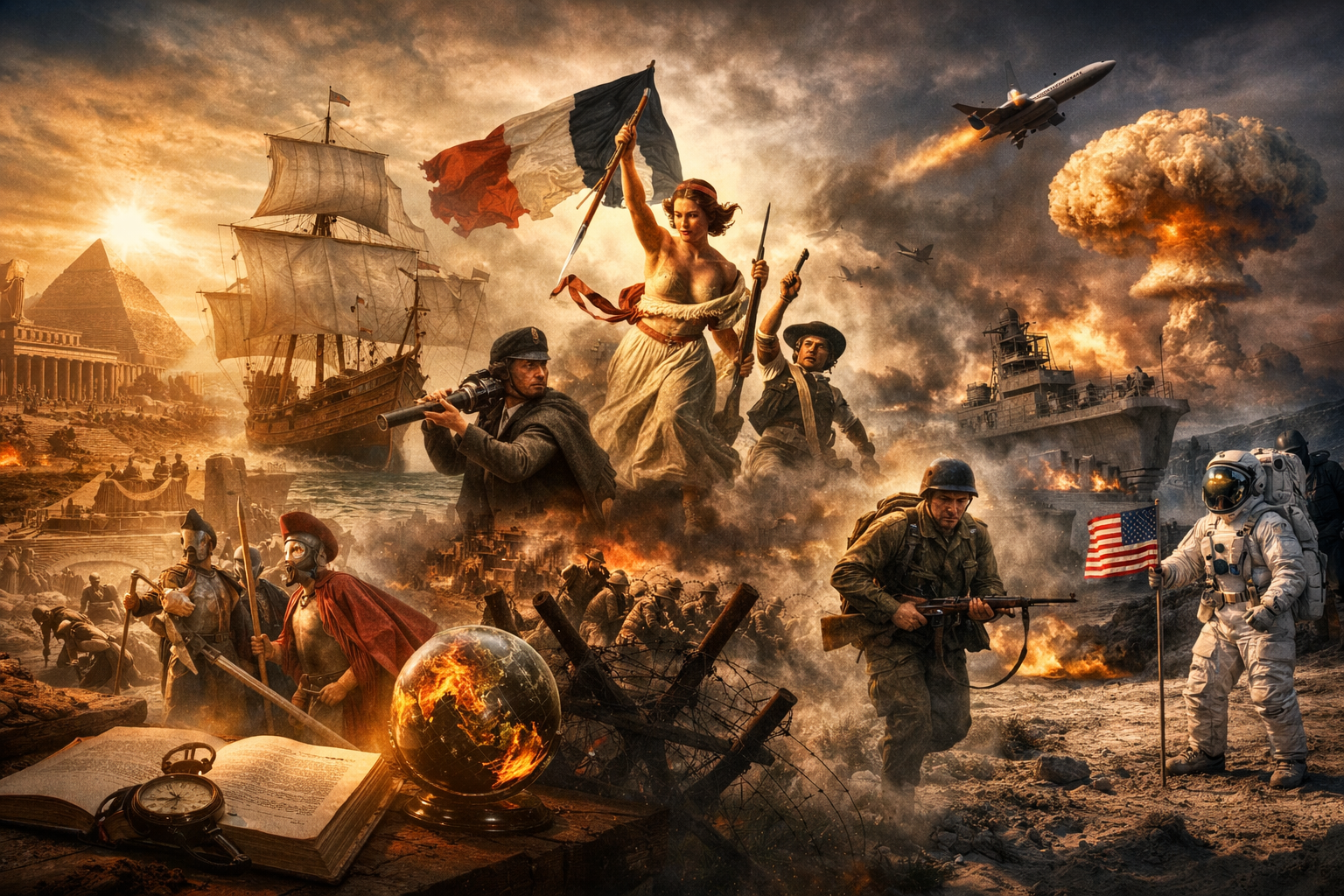
However, the global economy has not been without its inequalities. The gap between rich and poor countries has widened, and the environmental costs of globalization have raised questions about sustainability and fairness in economic systems. These ongoing economic shifts continue to shape global relations today.
Conclusion
In analyzing the causes and effects in world history, it becomes clear that events are interconnected in complex ways. Wars, empires, revolutions, technological advancements, and economic systems have all played key roles in shaping the world as we know it. By studying these historical moments, we gain insight into the forces that drive change and how past decisions continue to influence the present and future.
*
FAQ
Q: What are the most significant causes and effects in world history?
A: Major causes in world history include wars, revolutions, economic changes, and technological advancements, with effects like territorial shifts, the rise and fall of empires, and social restructuring.
Q: How did wars shape world history?
A: Wars, particularly the World Wars, led to changes in political borders, the rise of new superpowers, and shifts in global alliances that have influenced modern geopolitics.
Q: What role did ideologies play in shaping world history?
A: Revolutionary ideologies such as Marxism and democracy sparked movements that led to the creation of new governments and the transformation of societies, influencing global politics.
Q: How did the Industrial Revolution impact world history?
A: The Industrial Revolution revolutionized production, leading to urbanization, changes in labor, and the rise of the working class, with profound effects on society and the environment.
Q: What is the significance of globalization in world history?
A: Globalization has interconnected economies and cultures, transforming trade, communication, and social structures, while also raising concerns about inequality and environmental sustainability.
