
The History of Migration and Human Movement: A Journey Through Time
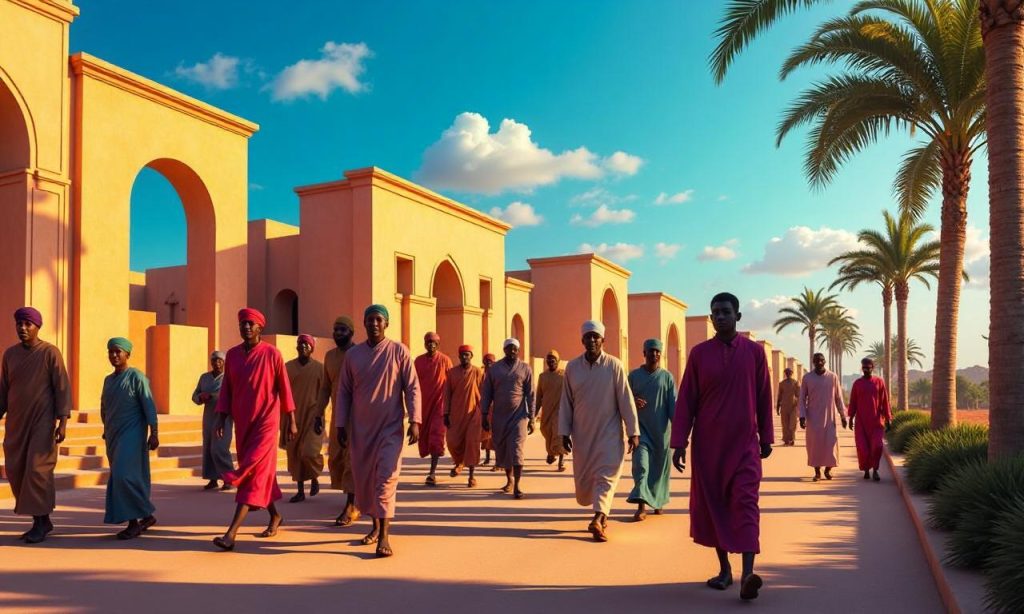
The history of migration and human movement is one of the most fundamental aspects of human development. From the earliest days of our ancestors to the present era, migration has been a driving force behind cultural exchange, economic growth, and the spread of ideas. Whether driven by necessity, opportunity, or curiosity, the history of migration and human movement has shaped the course of civilizations across the globe. Understanding this journey provides insight into how people have adapted, connected, and transformed societies over time. This article explores the key phases and motivations behind human migration, highlighting its profound impact on history and modern life.
The Origins of Human Migration: From Africa to the Rest of the World
The history of migration and human movement begins with the first humans leaving Africa approximately 70,000 years ago. This mass exodus, known as the Out of Africa theory, was fueled by the search for new resources and the need to expand living spaces. Early migrants followed animal herds and rivers, gradually colonizing regions from Europe to Asia and eventually to the Americas. These early movements were not just about survival; they laid the foundation for the interconnectedness of human societies. As people spread, they encountered diverse environments, leading to the development of unique cultures and traditions. The history of migration and human movement during this period underscores the adaptability and resilience of early humans.
Ancient Civilizations and the Role of Trade in Human Movement
As civilizations emerged, migration became more intentional, often linked to trade, conquest, and cultural exchange. The Silk Road, for example, connected East and West, enabling the movement of goods, ideas, and people across vast distances. Similarly, the spice trade in ancient times spurred exploration and interaction between distant regions. These migrations were not limited to land; maritime routes allowed for the spread of human movement across oceans. The history of migration and human movement during this era highlights how trade networks facilitated the blending of cultures and the rise of new societies. For instance, the Phoenicians established colonies in the Mediterranean, while the Greeks expanded their influence through cultural diffusion. Such movements were pivotal in shaping the ancient world.
The Medieval Era: Religious and Political Motivations
The history of migration and human movement during the medieval period was largely influenced by religious beliefs and political upheaval. The Crusades (1096–1291) prompted large-scale migrations between Europe and the Middle East, as people sought spiritual fulfillment or new opportunities. Meanwhile, the spread of Islam across North Africa, the Middle East, and parts of Asia was driven by both religious conversion and military expansion. The Black Death, which ravaged Europe in the 14th century, also altered human movement patterns, as survivors migrated to escape infected areas. These migrations often had lasting cultural and social impacts, blending traditions and fostering new identities. The history of migration and human movement in this era reflects the complex interplay of faith, power, and survival.
The Age of Exploration: Global Expansion and New Routes
The history of migration and human movement entered a new phase during the Age of Exploration, which began in the 15th century. European nations sought new trade routes and resources, leading to the discovery of the Americas and the establishment of global empires. This period marked the beginning of mass migration across continents, as explorers, merchants, and settlers moved to new lands. The transatlantic voyages of the 16th century, for instance, not only connected Europe with the Americas but also initiated the history of migration and human movement on an unprecedented scale. The movement of people during this era was driven by a combination of economic ambition and curiosity, reshaping the world’s demographic and cultural landscapes.
Industrialization and the Shift to Urban Migration
The history of migration and human movement transformed dramatically with the onset of industrialization in the 18th and 19th centuries. As factories emerged in urban centers, people flocked to cities in search of employment and better living conditions. This shift from rural to urban life led to rapid urbanization and the creation of densely populated industrial hubs. Meanwhile, forced migration increased due to colonial expansion, war, and economic disparity. The history of migration and human movement during this period reflects the tension between movement and stasis, as individuals and families left familiar environments to embrace new challenges. Industrialization also introduced technological advancements that made long-distance travel more accessible, further accelerating human movement.
Modern Migration: Globalization and Technological Advances
In the modern era, migration has become more frequent and diverse, driven by globalization, technological innovation, and changing economic conditions. The history of migration and human movement now includes both voluntary and involuntary journeys, such as refugee crises and economic migrants seeking opportunities abroad. Advances in transportation, from steamships to airplanes, have made it easier for people to traverse continents in a matter of hours. The digital age has further expanded human movement, as communication and information travel faster than ever before. Today, migration is not just about physical displacement but also about cultural and ideological exchange, reflecting the interconnected nature of the world. The history of migration and human movement continues to evolve, shaped by factors such as climate change, political conflict, and economic shifts.
Factors Driving Migration: A Complex Web of Influences
Understanding the history of migration and human movement requires examining the multifaceted factors that drive it. Climate change has historically been a key motivator, pushing early humans to seek new habitats and influencing the timing of migrations. In modern times, economic disparities remain a major factor, as people move to regions with better job prospects and living standards. Political conflict, such as wars and persecution, also compels migration, often resulting in large-scale displacement. Additionally, technological advancements have made human movement more efficient, reducing the barriers to travel and enabling new forms of migration. These factors interact in complex ways, shaping the history of migration and human movement and influencing its future trajectory.
FAQ Q: What were the main reasons for early human migration? A: Early humans migrated primarily to find new resources, expand living spaces, and adapt to changing environments.
Q: How did trade influence migration in ancient civilizations? A: Trade networks like the Silk Road and spice routes encouraged migration by creating economic opportunities and fostering cultural exchange.
Q: What role did the Crusades play in human movement history? A: The Crusades (1096–1291) prompted large-scale migrations between Europe and the Middle East, driven by religious and economic motivations.
Q: How has industrialization affected migration patterns? A: Industrialization led to urbanization and increased migration from rural to urban areas, as people sought work and better living conditions.
Q: What are the key factors driving modern migration? A: Modern migration is influenced by economic opportunities, political conflict, climate change, and technological advances.
