
The Impact of Industrial Revolution on Modern Society
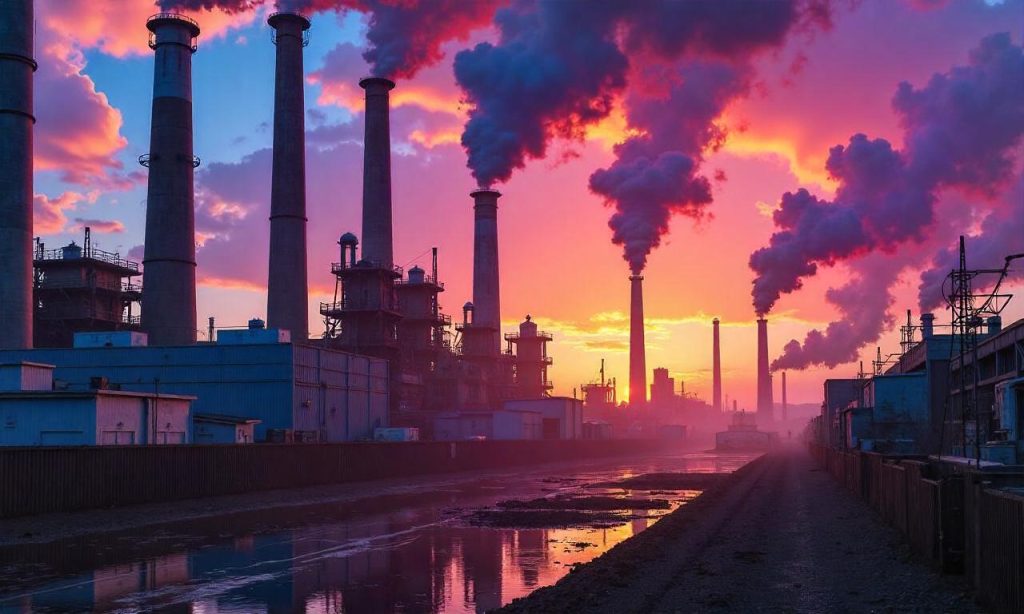
The Industrial Revolution, a period of profound transformation in the late 18th and early 19th centuries, marked the shift from agrarian economies to industrialized societies driven by technological innovation, mass production, and urban growth. This epoch, which began in Britain and spread globally, reshaped human civilization in ways that are still felt today. From the rise of factories to the development of transportation networks, the impact of industrial revolution extended far beyond its immediate time frame. It laid the foundation for modern economic systems, altered social structures, and introduced new challenges that continue to influence contemporary life. This article explores the impact of industrial revolution on various aspects of society, including economic systems, social changes, environmental consequences, and cultural transformations, to provide a comprehensive understanding of its enduring legacy.
The Economic Transformation: The Impact of Industrial Revolution on Labor and Production
The Rise of Mass Production and Factory Systems
The impact of industrial revolution on economic systems was monumental, as it introduced the concept of mass production and transformed traditional methods of labor. Before this period, most goods were produced in small workshops or through manual farming, requiring significant time and effort for each item. The invention of machines, such as the spinning jenny and the steam engine, allowed for the automation of production processes, significantly increasing output. This shift marked the birth of factory systems, where labor was centralized and workers were organized into specialized roles. The impact of industrial revolution not only improved efficiency but also created a demand for a larger, more skilled workforce, leading to the development of new industries and economic opportunities.
Shift from Agrarian to Industrial Economies
One of the key impacts of industrial revolution was the transition from agrarian economies to industrialized ones. As agricultural labor declined, people moved to cities in search of work in factories, leading to the growth of urban centers. This migration altered the economic landscape, as rural communities became increasingly dependent on the industrial sector for employment and income. The impact of industrial revolution also introduced the idea of capitalism, where private ownership and competition drove innovation and productivity. This system emphasized the accumulation of wealth through industrial output, fostering the rise of business enterprises and banking institutions that supported economic expansion.
The Globalization of Trade and Markets
The impact of industrial revolution on trade and markets was equally significant. The development of railways, steamships, and telegraphs revolutionized transportation and communication, enabling the rapid movement of goods and information across vast distances. This technological advancement facilitated the globalization of markets, as products from industrialized nations could now reach international consumers. The rise of capitalism also encouraged the creation of global trade networks, connecting economies in ways that had never been possible before. As a result, industrialization led to the standardization of products, the expansion of consumer markets, and the formation of international supply chains that continue to shape modern economies.
The Role of Innovation in Economic Growth
Innovation was at the heart of the impact of industrial revolution, driving economic growth and technological progress. The introduction of new machinery and production techniques not only increased efficiency but also reduced the cost of goods, making them more accessible to a broader population. This economic shift encouraged investments in infrastructure, such as railways and roads, which further stimulated industrial activity. Additionally, the impact of industrial revolution on finance was notable, as banking systems evolved to support industrial ventures and capital accumulation. The growth of industries also led to the development of new economic theories, such as classical economics, which sought to explain the dynamics of industrial societies and their global influence.
The Social Changes: The Impact of Industrial Revolution on Urbanization and Class Structures
Urbanization and the Growth of Cities
The impact of industrial revolution on social structures was profound, particularly in the context of urbanization. As industrialization spread, millions of people left rural areas to seek employment in cities, leading to the expansion of urban centers. This mass migration created new social dynamics, as cities became hubs of economic activity and cultural exchange. However, rapid urbanization also brought challenges, such as overcrowding, poor living conditions, and the rise of slums. The impact of industrial revolution on social mobility was mixed, as while some individuals climbed the ladder of success, others found themselves trapped in poverty and exploitation.
The Transformation of Labor and Working Conditions
The impact of industrial revolution on labor conditions was transformative, as manual labor gave way to mechanized work. Workers in factories faced long hours, low wages, and unsafe environments, which sparked social movements and labor reforms. The standardization of work led to the emergence of labor unions, which fought for better wages, shorter workdays, and improved safety regulations. The impact of industrial revolution also redefined the role of the worker, shifting them from independent artisans to employees of large corporations. This change in labor structure laid the groundwork for modern employment systems and wage labor as the dominant economic model.
The Rise of Social Stratification
The impact of industrial revolution on social stratification was significant, as it created new classes within society. The bourgeoisie, or industrial capitalists, emerged as the new elite, controlling means of production and economic power. Meanwhile, the working class, or proletariat, became dependent on wages for survival. This division of labor led to increased inequality, as wealth concentrated in the hands of industrial magnates while workers struggled with low pay and poor working conditions. The impact of industrial revolution also reshaped family structures, as women and children entered the workforce, altering traditional gender roles and family dynamics.
The Social Consequences of Industrialization
The impact of industrial revolution on social consequences extended beyond economic shifts, influencing cultural norms and health outcomes. The increase in factory work led to longer working hours and reduced leisure time, altering daily routines and lifestyle choices. Additionally, the urbanization caused by industrialization led to the spread of diseases, as overcrowded cities became breeding grounds for health issues. The impact of industrial revolution also changed the way people interacted, with industrial cities becoming centers of social interaction and community development. These social transformations laid the foundation for modern social systems and public policies aimed at improving workers' rights and living standards.
The Environmental Consequences: The Impact of Industrial Revolution on Natural Resources and Climate
Environmental Degradation and Pollution
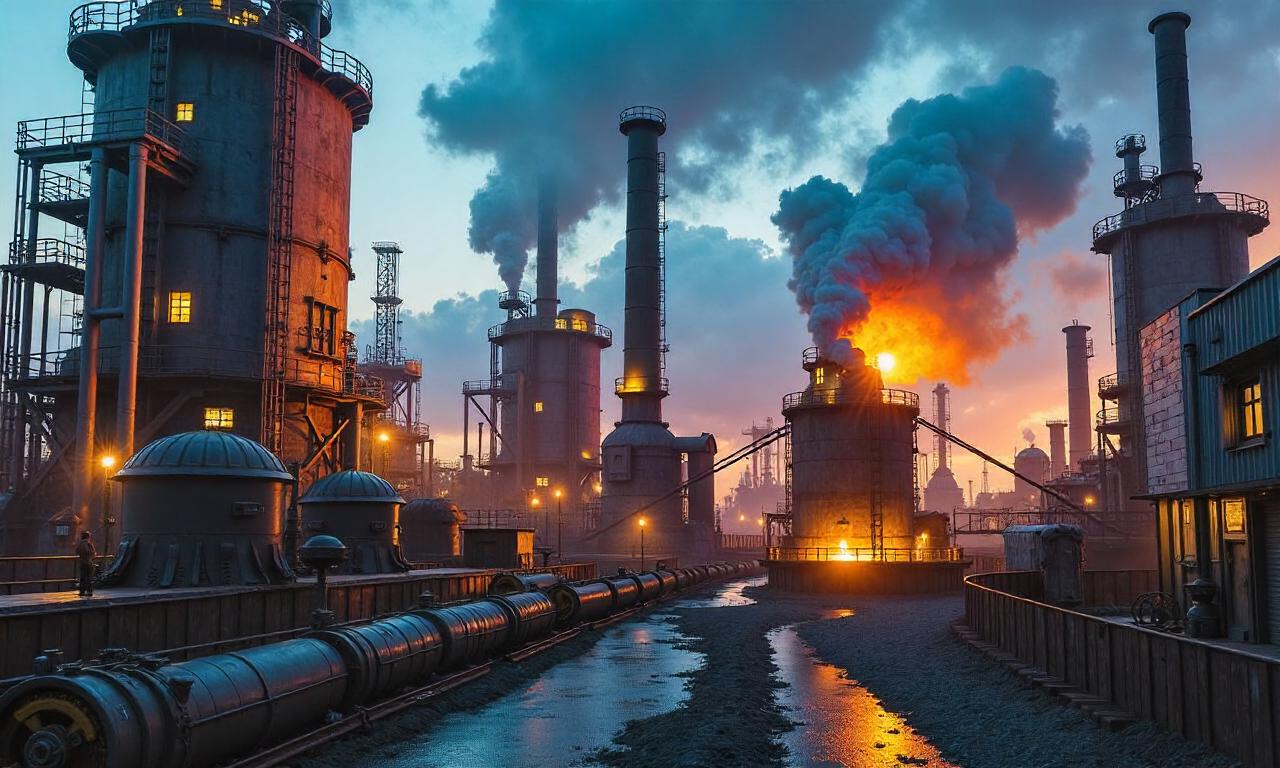
The impact of industrial revolution on the environment was immediate and severe, as the expansion of industries led to massive pollution and resource depletion. Factories released large amounts of smoke and waste into the air and water, polluting ecosystems and affecting public health. The increase in coal usage for steam engines and factories caused air pollution, while deforestation and over-mining led to soil erosion and habitat destruction. The impact of industrial revolution on natural resources marked the beginning of human-induced environmental changes, setting the stage for modern environmental challenges.
Resource Depletion and Sustainability Issues
The impact of industrial revolution on resource consumption was a critical factor in the depletion of natural resources. The high demand for raw materials such as coal, iron, and cotton led to increased extraction and deforestation on a massive scale. This resource exploitation raised concerns about sustainability, as industrialization outpaced natural regeneration. The impact of industrial revolution also introduced the concept of environmental sustainability, prompting early conservation efforts and eco-friendly practices to mitigate long-term resource depletion. These environmental considerations became central to modern economic planning and policy-making.
The Beginnings of Climate Change
The impact of industrial revolution on climate change began with the massive increase in carbon emissions from coal-fired factories and steam engines. This energy consumption contributed to the greenhouse effect, leading to global warming and climate instability. The industrial era marked the start of environmental awareness, as the consequences of pollution became visible and measurable. The impact of industrial revolution on climate was not just a local issue but a global phenomenon, affecting weather patterns, sea levels, and ecosystems. This environmental shift has shaped modern climate policies and international cooperation to address climate change.
Industrialization and the Environment's Role in Society
The impact of industrial revolution also changed the relationship between humans and nature, as industrial societies prioritized economic growth over environmental preservation. This shift in priorities led to the development of environmental policies aimed at balancing industrial progress with sustainable practices. The role of the environment in shaping modern society became increasingly evident, as industrialization not only affected natural resources but also changed the way people perceive their environment. The impact of industrial revolution on ecology is now a central topic in discussions about sustainability and future development.
The Cultural and Intellectual Shifts: The Impact of Industrial Revolution on Education and Media
The Emergence of Modern Consumer Culture
The impact of industrial revolution on cultural development was transformative, as it fostered the rise of modern consumer culture. The mass production of goods made products more affordable and accessible, encouraging widespread consumption. This change in cultural norms led to the growth of advertising and mass media, which shaped public opinion and consumer behavior. The impact of industrial revolution on cultural identity also highlighted the role of technology in changing how people lived and interacted. This cultural shift laid the foundation for modern lifestyles and global consumer markets.
The Evolution of Education and Knowledge Dissemination
The impact of industrial revolution on education was significant, as industrialization created a demand for skilled workers and educated populations. The growth of public education systems began in response to this need for literacy and technical knowledge. The impact of industrial revolution also introduced new teaching methods and curriculum developments to prepare workers for industrial jobs. Additionally, the rise of mass media and print technology enabled the spread of information on a wider scale, shaping public discourse and knowledge sharing. This intellectual shift marked the beginning of modern education as a cornerstone of societal progress.
The Role of Technology in Cultural Progress
The impact of industrial revolution on cultural progress was deeply tied to technological advancements, which transformed the way information was created and disseminated. The invention of the printing press and new communication technologies allowed for the spread of ideas and cultural movements on a larger scale. The impact of industrial revolution also influenced art and literature, as industrial themes became central to creative expression. This technological influence on culture created new forms of artistic and literary output, shaping modern cultural identity.
Globalization and the Spread of Ideas
The impact of industrial revolution on globalization was profound, as industrialized nations began to influence other regions through trade, migration, and cultural exchange. The spread of industrial practices and technologies led to economic and cultural integration, as ideas and innovations traveled across international borders. This global transformation marked the beginning of a more interconnected world, where cultural norms, economic systems, and social structures were shaped by industrial advancements. The impact of industrial revolution on globalization continues to affect modern society, fostering both cooperation and competition on a global scale.
Conclusion
The impact of industrial revolution on modern society is a complex and multifaceted phenomenon that has shaped economic, social, environmental, and cultural landscapes. From the transformation of labor and production to the growth of urban centers, the rise of consumer culture, and the globalization of trade, the legacy of industrialization remains deeply embedded in contemporary life. The economic systems that emerged during this period continue to drive global markets, while social changes have redefined class structures and work-life balance. The environmental consequences of industrialization highlight the need for sustainability, and the cultural shifts have influenced modern education and media. As modern societies continue to evolve, the impact of industrial revolution serves as a foundation for understanding the forces that shape our world today.
