
The Impact of the Industrial Revolution on Society and Economy
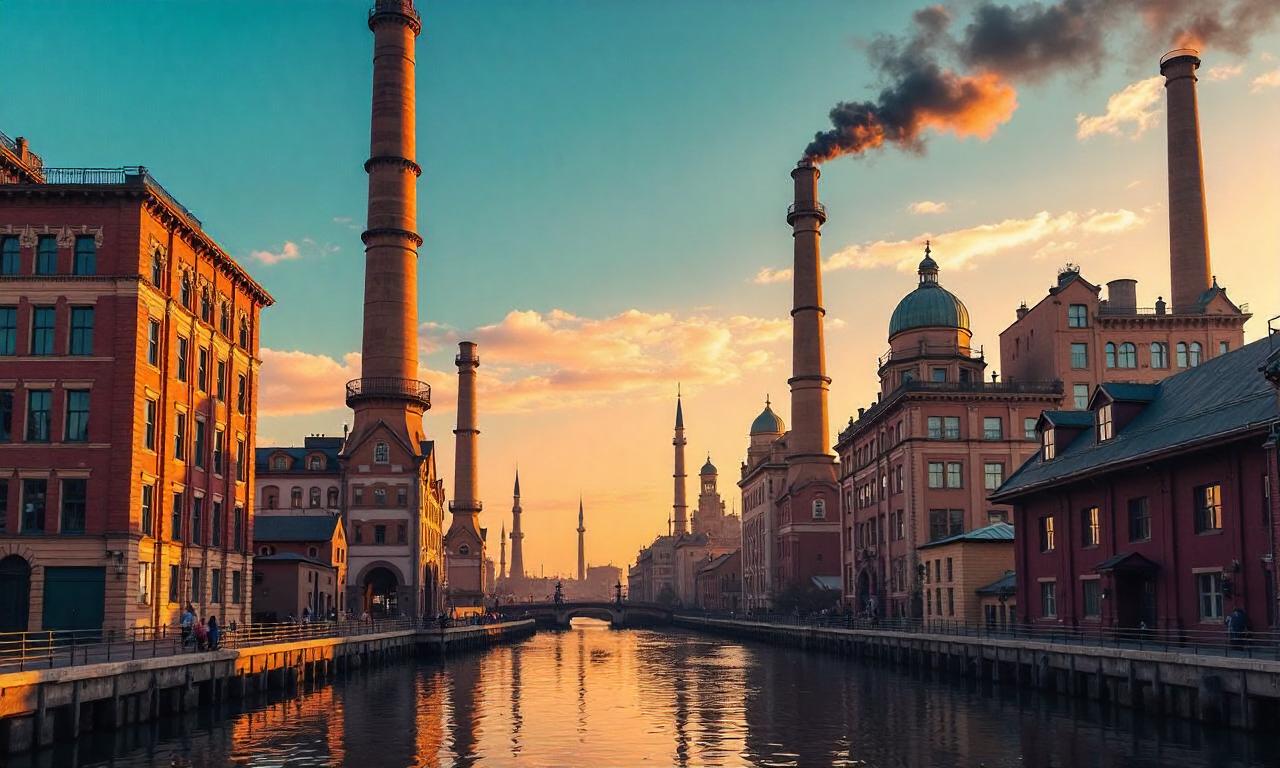
The Industrial Revolution marks one of the most significant turning points in human history, transforming societies from agrarian economies to industrialized powerhouses. Beginning in the late 18th century in Britain and spreading to other parts of the world over the next two centuries, this era introduced groundbreaking innovations that reshaped impact of industrial revolution across multiple dimensions. From the rise of mechanized production to the reorganization of social structures, the impact of industrial revolution was profound and far-reaching. This article explores the impact of industrial revolution on both society and economy, analyzing its transformative effects, challenges, and enduring legacy.
Economic Transformations
The Industrial Revolution catalyzed a seismic shift in the economic landscape, transitioning societies from agricultural economies to industrial economies. This transformation was driven by the advent of mechanization, new technologies, and the expansion of capitalist systems.
The Rise of Mass Production
One of the most notable impact of industrial revolution was the emergence of mass production techniques. Before this period, goods were largely handmade, requiring significant time and labor. The introduction of steam power, factories, and assembly lines revolutionized manufacturing, enabling the production of goods on an unprecedented scale. For instance, the development of the spinning jenny and the water frame in the textile industry allowed for the rapid production of cloth and textile products, reducing the cost and increasing the availability of consumer goods. This shift not only met the growing demand for products but also laid the foundation for global trade and economic growth.
Urbanization and Labor Markets
The impact of industrial revolution on economy was also evident in the rapid urbanization of populations. As industries concentrated in urban centers, people migrated from rural areas to cities in search of employment. This migration led to the growth of industrial cities and the expansion of labor markets. However, this shift created new challenges, such as overcrowding, poor living conditions, and the exploitation of laborers. The working class became a significant demographic, and the capitalist system began to dominate economic structures, emphasizing profit, competition, and market dynamics.
Capitalism and Economic Systems
The Industrial Revolution played a pivotal role in the evolution of capitalism. The rise of industrial capitalism allowed for the accumulation of wealth through investment in machinery, factory systems, and resource exploitation. This economic model prioritized productivity, efficiency, and capital accumulation, leading to the growth of industrial cities and the expansion of global markets. However, it also introduced inequalities, as wealth became concentrated among industrialists and capitalists, while workers often faced low wages and long hours. The impact of industrial revolution on economic systems thus created a dual effect: fostering innovation and growth while also intensifying social stratification.
Social Changes
The Industrial Revolution brought about dramatic social changes, altering the way people lived, worked, and interacted. These changes were both transformative and challenging, reshaping class structures, labor conditions, and daily life.
The Transformation of Class Structures
Before the Industrial Revolution, society was predominantly agrarian, with landowners and peasants forming the core of economic life. However, the rise of industrial capitalism led to the emergence of new social classes. The middle class, composed of business owners, professionals, and technicians, gained prominence as they capitalized on the opportunities created by industrialization. Meanwhile, the working class expanded rapidly, consisting of factory workers, laborers, and urban migrants. This shift in class structures had a lasting impact of industrial revolution on social hierarchies, as wealth and status became more tied to economic productivity rather than land ownership.
Working Conditions and Labor Movements
The impact of industrial revolution on working conditions was profound. While industrialization created jobs, it also introduced grueling labor conditions. Workers, including children, women, and men, often labored for long hours in dangerous environments, with little regard for health and safety. Factories operated around the clock, and child labor was common, as children could be employed at lower wages. However, these harsh conditions eventually sparked labor movements and reforms, as workers organized to demand better wages, reasonable working hours, and improved conditions. The impact of industrial revolution on social justice thus became a catalyst for labor rights and workers' unions.
Lifestyle and Family Structures
The Industrial Revolution also transformed lifestyle and family structures. With industrialization, urbanization, and technological advancements, traditional family roles began to change. Men increasingly worked outside the home, while women often took on domestic roles or entered labor markets. Additionally, the working class experienced a shift from rural communities to urban centers, which altered social interactions and community dynamics. The impact of industrial revolution on family life was both a challenge and an opportunity, as industrialization provided new forms of leisure, education, and consumer culture, but also strained family bonds due to long working hours and economic pressures.
Technological Innovations
Technological advancements were at the heart of the Industrial Revolution, driving economic growth and social change. These innovations not only transformed production methods but also laid the groundwork for modern industries and global connectivity.
The Role of Machinery and New Technologies
The impact of industrial revolution on technology was monumental. The invention and widespread adoption of machinery, such as the steam engine, spinning jenny, and loom, revolutionized industrial production. The steam engine, in particular, became a cornerstone of industrialization, powering factories, railways, and ships. This technology enabled mass production, reducing the cost of goods and increasing their availability. Additionally, new technologies in transportation and communication further amplified the impact of industrial revolution, connecting regions and markets like never before.
The Expansion of Transportation and Communication
The impact of industrial revolution on transportation was transformative. The development of railroads, steamships, and canals allowed for the efficient movement of goods and people, fostering economic integration and global trade. For example, railroads enabled cities to become economic hubs, while steamships facilitated trade with distant markets. Similarly, the impact of industrial revolution on communication was marked by the invention of the telegraph, printing press, and new media, which accelerated the spread of information and ideas. These technological innovations not only improved logistics but also played a key role in shaping modern economies and societies.
The Influence on Daily Life and Education
The impact of industrial revolution on daily life was equally significant. The availability of new technologies and products changed consumer behavior, as people could now purchase goods that were once luxuries. This shift led to the rise of consumer culture and the growth of middle-class spending. Moreover, the Industrial Revolution spurred educational reforms, as industrialization required a skilled workforce. The impact of industrial revolution on education led to the establishment of public schools and technical training programs, ensuring that workers could adapt to new technologies and industrial demands.
Environmental Effects
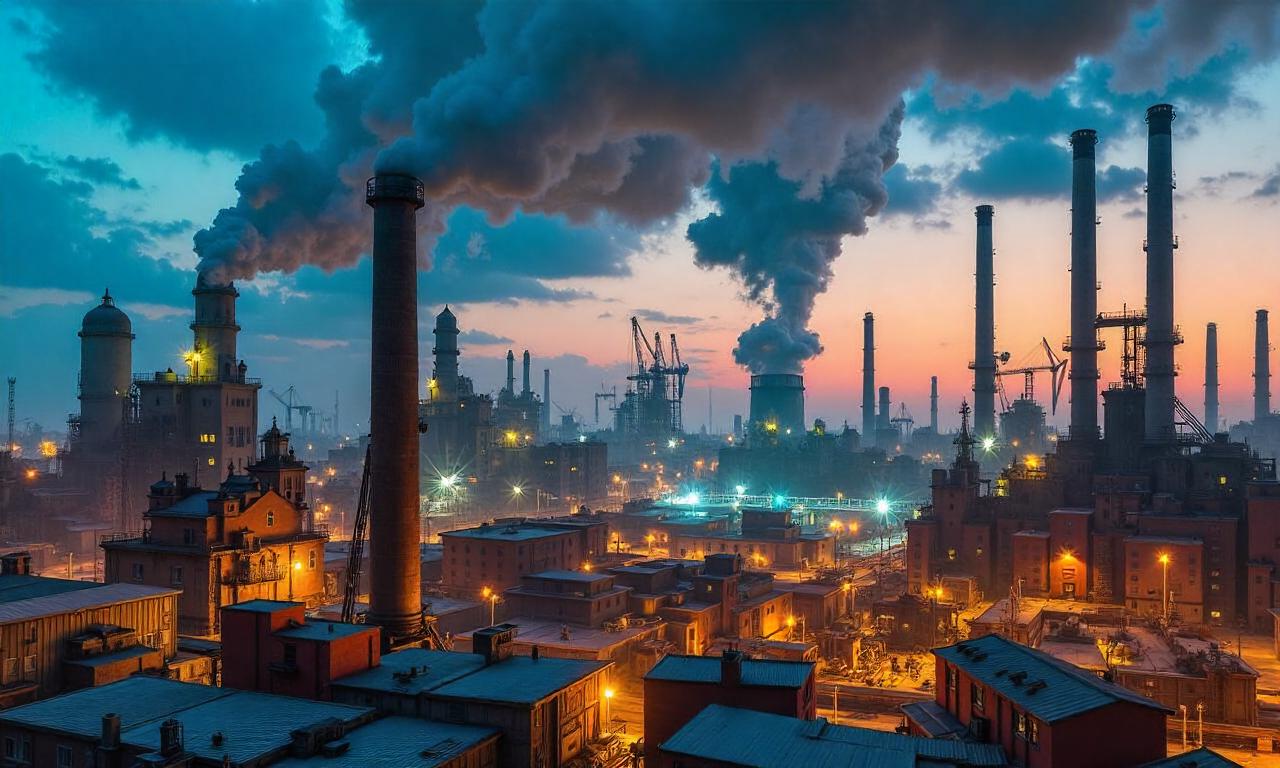
While the Industrial Revolution brought economic and social advancements, it also had significant environmental effects. The impact of industrial revolution on natural resources and ecological systems has been a long-standing concern, with pollution, resource depletion, and climate change emerging as critical issues.
Resource Exploitation and Environmental Degradation
The Industrial Revolution marked the beginning of large-scale resource exploitation, as industries relied heavily on coal, oil, and natural resources to fuel machinery and transportation. This exploitation led to environmental degradation, with forests, rivers, and soil being overused for industrial purposes. For instance, the impact of industrial revolution on coal mining resulted in air pollution, water contamination, and land degradation. The focus on economic growth during this period often overshadowed environmental concerns, creating a legacy of environmental impact that persists today.
The Rise of Pollution and Urban Sprawl
The Industrial Revolution introduced new sources of pollution, as factories, railways, and steam engines released harmful emissions into the air and water. Urban sprawl also became a hallmark of this era, as cities expanded to accommodate industrial workers and new infrastructure. The impact of industrial revolution on environmental health was profound, leading to health issues such as respiratory diseases and waterborne illnesses. These environmental challenges prompted early environmental awareness, as scientists and policymakers began to recognize the negative effects of industrialization on natural ecosystems.
Long-Term Environmental Consequences
The impact of industrial revolution on long-term environmental consequences has been far-reaching. The burning of fossil fuels, deforestation, and waste production have contributed to climate change and ecological imbalance. Additionally, the expansion of industries led to the overuse of natural resources, creating sustainability challenges that continue to affect modern societies. The Industrial Revolution thus set the stage for environmental issues, highlighting the trade-off between industrial growth and ecological preservation.
Conclusion
The Industrial Revolution was a defining moment in human history, bringing about massive changes in economy, society, and technology. Its impact of industrial revolution on economic systems transformed production methods, urbanization, and global trade, while its social effects redefined class structures, labor conditions, and daily life. The technological innovations introduced during this period laid the foundation for modern industries and societal progress, but the environmental effects of industrialization have also raised important questions about sustainability. As we reflect on the impact of industrial revolution, it is clear that this era not only reshaped the world but also set the stage for future advancements and ongoing challenges. The legacy of the Industrial Revolution continues to influence contemporary economies and societies, underscoring its profound and enduring significance.
