
Women’s Roles in World History: Unveiling the Power and Progress Through Time
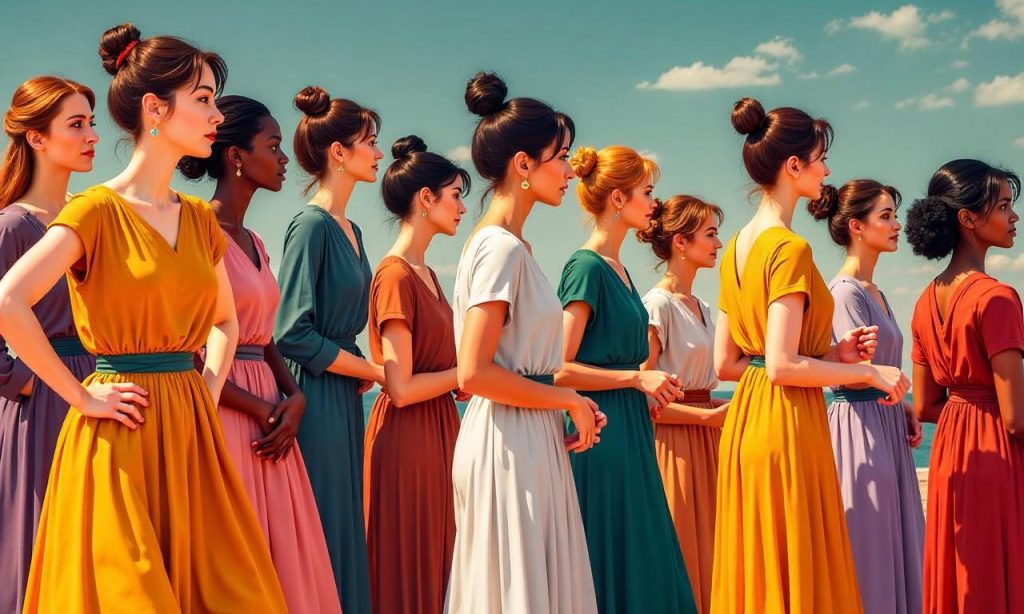
In the vast tapestry of human history, women’s roles in world history have been as diverse as they have been essential. From ancient times to the modern era, women have shaped civilizations, driven innovation, and influenced cultural, political, and economic systems. Their contributions often go unnoticed, but understanding these roles reveals a powerful narrative of resilience, intellect, and progress. Whether as warriors, leaders, or scholars, women have consistently played pivotal parts in defining societies, challenging norms, and advancing human development. This article explores how women’s roles in world history have evolved over time, highlighting their enduring impact on the course of humanity.
The Foundations of Women’s Roles in Early Civilizations
In the earliest civilizations, women’s roles were deeply rooted in domestic and agricultural life. In Mesopotamia, for example, women managed households, engaged in trade, and even held property rights. While societal structures often confined them to family duties, some women wielded influence through religious or political positions. In ancient Egypt, women’s roles in world history included roles as priestesses, pharaohs like Hatshepsut, and key figures in governance. These early examples demonstrate that women were not passive participants but active agents in shaping the foundations of civilization.
Women in the Middle Ages: From Homemakers to Religious Leaders
During the Middle Ages, women’s roles in world history were largely defined by their domestic responsibilities and spiritual significance. In many cultures, women were central to the maintenance of households, ensuring the survival of families and communities. However, their influence extended beyond the home. In medieval Europe, women’s roles in world history were also evident in the church, where nuns and abbesses played crucial roles in education, charity, and preserving knowledge. Queens like Eleanor of Aquitaine and Isabella of Castile demonstrated political acumen, shaping laws and alliances that influenced the course of history. Their contributions, though often overshadowed by male-dominated narratives, laid the groundwork for future social and political transformations.
The Renaissance and Enlightenment: Women as Intellectuals and Innovators
The Renaissance and Enlightenment periods marked a turning point in women’s roles in world history, as women began to challenge traditional gender roles and enter intellectual spheres. In Italy, women like Isabella d’Este supported the arts and humanities, acting as patrons and advisors. Meanwhile, in the 17th and 18th centuries, thinkers such as Mary Wollstonecraft and Olympe de Gouges emerged, advocating for women’s rights and equality. Their writings laid the foundation for modern feminist movements. Though societal constraints remained, these women used their positions to influence education, politics, and philosophy, proving that their intellect and creativity were indispensable to progress.
Women in the Industrial Revolution: Economic Participation and Social Change
The Industrial Revolution brought significant shifts in women’s roles in world history, as women entered the workforce in unprecedented numbers. In factories and textile mills, they became essential laborers, contributing to economic growth while facing harsh working conditions. At the same time, women began to organize for better treatment, leading to early labor movements. Their role in the economic sphere expanded their influence beyond the home, challenging patriarchal norms and laying the foundation for modern labor rights. This era also saw women advocating for education and suffrage, as their growing participation in society sparked demands for greater representation and equality.
The 20th Century: Breaking Barriers and Achieving Global Recognition
The 20th century was a transformative period for women’s roles in world history, as women fought for and achieved landmark victories in education, politics, and civil rights. The suffrage movement, which gained momentum in the early 1900s, granted women the right to vote in countries like the United States, the UK, and later in many others. During World War I and II, women took on roles traditionally held by men, demonstrating their capability in leadership and industry. The civil rights and feminist movements of the 1960s and 1970s further expanded their influence, paving the way for greater participation in science, technology, and global governance. These achievements underscored the evolving nature of women’s roles in world history, showing their capacity to redefine societal structures.
Contemporary Perspectives: Women as Pioneers and Global Leaders
In the 21st century, women’s roles in world history continue to evolve, reflecting their adaptability and resilience. Women are now leading nations, inventing groundbreaking technologies, and shaping international policies. Figures like Malala Yousafzai and Greta Thunberg exemplify how women’s voices have become central to global movements for education and environmental justice. Their roles extend beyond individual achievements to systemic change, as they advocate for gender equity in every aspect of society. This ongoing transformation highlights the enduring power of women to influence history, ensuring that their contributions remain at the forefront of human progress.
The Future of Women’s Roles in World History
As we look to the future, women’s roles in world history are poised for further expansion. With increasing access to education and technology, women are breaking into fields previously dominated by men, such as STEM, politics, and entrepreneurship. Their leadership in crises, from pandemics to climate change, has demonstrated their critical role in driving solutions and innovation. Moreover, the intersection of gender and global issues—such as human rights, economic development, and cultural preservation—shows that women’s influence will continue to shape the direction of humanity. The story of women’s roles in world history is not just about past contributions but also about the ongoing journey toward full equality and empowerment.
FAQ Q: What were the earliest known roles of women in world history? A: Women in ancient civilizations like Mesopotamia and Egypt played essential roles in agriculture, family life, and governance, including leadership as pharaohs and priestesses.
Q: How did women’s roles change during the Industrial Revolution? A: Women entered the workforce in large numbers during the Industrial Revolution, contributing to economic growth and initiating labor rights movements.
Q: What key movements advanced women’s rights in the 20th century? A: The suffrage movement, civil rights activism, and feminist waves of the 1960s–1970s were pivotal in expanding women’s rights globally.
Q: How did women contribute to scientific progress? A: Women like Marie Curie and Ada Lovelace made groundbreaking scientific discoveries, challenging stereotypes and opening doors for future generations.
Q: What is the significance of women’s roles in political systems? A: Women’s political roles, from queens to modern leaders, have been vital in shaping laws, policies, and global governance throughout history.
