
Beginner’s Guide to Wildlife Spotting: Discover Nature’s Wonders

Welcome to the world of wildlife spotting, a rewarding activity that allows you to connect with nature and observe animals in their natural habitats. Whether you’re a complete novice or just starting out, wildlife spotting for beginners can be an exciting and fulfilling experience. This guide will help you get started with the essentials, making your journey into the wild both enjoyable and educational. By understanding the basics, you’ll not only gain a deeper appreciation for the environment but also increase your chances of discovering fascinating creatures. From preparing the right tools to mastering simple techniques, we’ll cover everything you need to know to embark on this thrilling adventure with confidence.
Preparing for Your Wildlife Spotting Adventure
Before stepping into the wilderness, it’s important to do some research and planning to maximize your chances of success. Start by identifying the type of wildlife spotting for beginners you’re interested in—whether it’s birds, mammals, or insects—since different species thrive in specific environments and times of day. Familiarize yourself with local parks, nature reserves, or nearby forests that are known for their biodiversity and accessibility. Also, check the weather forecast and plan your trip during a season when the wildlife is most active. This preparation ensures you’re ready to explore without unnecessary stress or setbacks.
Choosing the Right Time and Location
Timing plays a crucial role in wildlife spotting for beginners. Early mornings and late evenings are often the best times to observe animals, as these are when many creatures are most active. Birds, for instance, are typically seen during dawn, while nocturnal animals like owls or bats emerge at night. Additionally, consider the seasonality of the species you want to spot. Migratory birds may only appear during certain months, and some mammals are more visible during specific times of the year.
Selecting the right location is equally important. Start with areas that are easy to access and have a high concentration of wildlife. Local nature reserves, botanical gardens, or even your own backyard can be excellent starting points. Research which species are commonly found in these areas and plan your visit accordingly. For example, if you’re interested in birds, a nearby wetland or forested area might offer better opportunities. Always choose a location that aligns with your interests and skill level to make your first experiences more enjoyable and meaningful.
Essential Tools for Wildlife Spotting Beginners
Having the right tools can make a significant difference in your wildlife spotting for beginners journey. A good pair of binoculars is a must, as they allow you to observe animals from a distance without disturbing them. A field guide or a mobile app with identification features can help you recognize species based on their appearance, behavior, and habitat. A notebook or journal is also useful for recording your observations, including sketches, notes, and photos.
In addition to these basics, consider bringing a camera with a zoom lens to capture high-quality images of wildlife. A comfortable backpack with water, snacks, and a map can help you stay prepared during long hikes. Weather-appropriate clothing, such as waterproof gear or insect repellent, ensures you can focus on spotting animals rather than dealing with uncomfortable conditions. While advanced equipment can enhance your experience, starting with simple, affordable tools makes wildlife spotting for beginners more accessible and less overwhelming.
Techniques to Improve Your Wildlife Spotting Skills
Mastering simple techniques can greatly improve your ability to observe and identify wildlife effectively. Patience is key—many animals are shy and may take time to appear. Sit quietly in one spot for at least 15-30 minutes, and you might be rewarded with a glimpse of a rare species. Pay attention to sounds and movements, as these can often signal the presence of an animal nearby. For example, the rustle of leaves or a distant call might indicate a bird or small mammal in the vicinity.
Another useful strategy is to learn about the behaviors of the animals you’re hoping to spot. Understanding what they eat, where they live, and when they move can help you anticipate their presence. Using a spotting scope or a camera with a long lens can also aid in observing distant creatures without getting too close. Don’t forget to take notes on your observations, such as the time, location, and environmental conditions. This practice not only helps you track your progress but also deepens your connection to the natural world.
Staying Safe and Respectful While Spotting Wildlife
Safety should always be a priority when engaging in wildlife spotting for beginners. Wear sturdy shoes and dress in layers to adapt to changing weather conditions. Stay on designated trails to avoid getting lost or disturbing the natural habitat. If you’re in an area with large animals like bears or wolves, carry a whistle or make noise to alert them of your presence.
Respecting wildlife is equally important. Avoid approaching animals too closely, especially young or vulnerable ones, and never feed them unless it’s part of a guided program. Keep your distance, use binoculars to observe from afar, and always follow local guidelines to minimize your impact on the environment. Additionally, be mindful of your surroundings to avoid startling birds or other creatures. By practicing responsible spotting habits, you’ll ensure a positive experience for both yourself and the wildlife you’re observing.
Enhancing Your Experience with Extra Tips
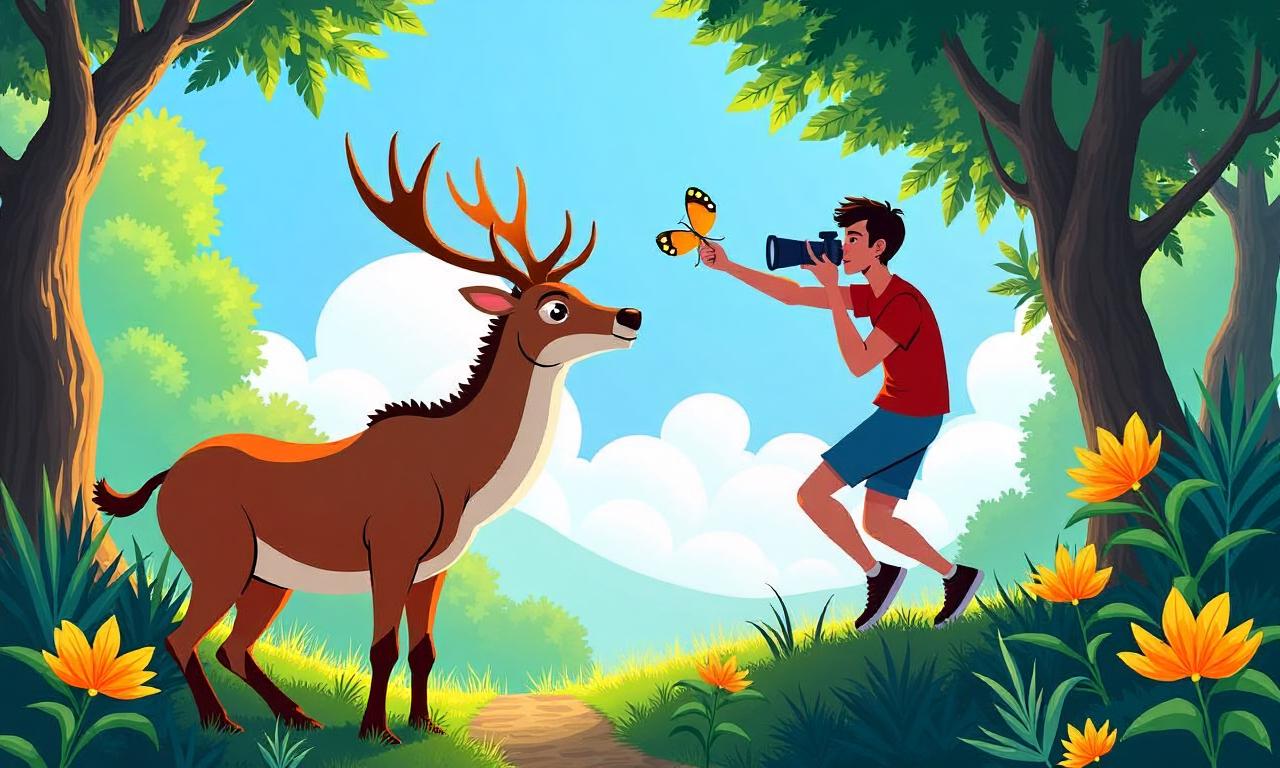
To make your wildlife spotting for beginners journey even more enjoyable, consider adding a few extra tips to your routine. Start by learning basic animal identification skills through online resources or local classes. This knowledge helps you recognize species quickly and appreciate their unique characteristics. Bring a camera or smartphone with a good zoom lens to capture memorable moments, and use a tripod for sharper images.
Engaging with other enthusiasts can also enrich your experience. Join a local wildlife group or participate in a guided tour to learn from experienced observers and discover new species. Share your findings with friends or family to create a sense of camaraderie and excitement. Lastly, be prepared to adapt to unexpected situations—some animals may be more active during rain showers or strong winds, so flexibility is essential. With these small adjustments, you’ll not only improve your skills but also make the most of every outing.
Recap and Encouragement to Start Your Journey
In summary, wildlife spotting for beginners is an accessible and rewarding way to explore the natural world. By researching your target species, choosing the right time and location, using the right tools, practicing patient observation, and staying safe, you’ll build a strong foundation for your adventures. Remember that every encounter, no matter how small, contributes to your growing knowledge and appreciation of wildlife. With consistent practice and a curious mindset, you’ll soon become more adept at recognizing and enjoying the diverse creatures that inhabit our planet. So grab your binoculars, head outdoors, and let the wonders of nature inspire you.
FAQ
Q: What equipment do I need for wildlife spotting for beginners? A: Start with binoculars, a field guide, and a notebook. A camera with a zoom lens or smartphone can also help you document your findings.
Q: Where are the best places to start for wildlife spotting for beginners? A: Local parks, nature reserves, or even your backyard are excellent starting points. These areas are often rich in biodiversity and easy to access.
Q: How long does it take to spot wildlife for beginners? A: It varies, but with patience and practice, you can start seeing animals within a few visits. Focus on one species at a time to avoid feeling overwhelmed.
Q: What should I do if I encounter an animal while spotting wildlife? A: Stay calm, keep a safe distance, and avoid sudden movements. If the animal seems curious, you can slowly observe it from a distance.
Q: Are there any tips for staying safe while doing wildlife spotting for beginners? A: Always wear appropriate clothing, stay on trails, and carry a whistle or flashlight. Avoid feeding animals and be aware of your surroundings to minimize risks.
