
Benefits of Nature for Mental Health: Calm Your Mind Naturally
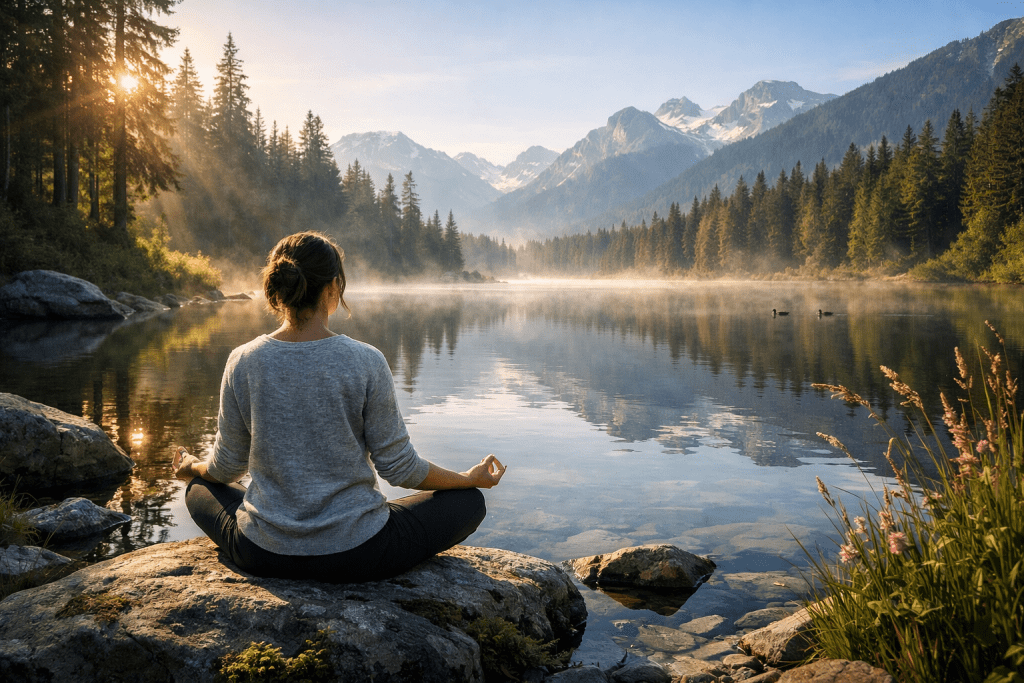
Nature is one of the most effective, low-cost ways to calm the mind and stabilize emotions. The benefits of nature for mental health are not just a “nice feeling” after a walk—many people experience real improvements in stress, mood, focus, and sleep. Even short exposure to green spaces can help the brain shift out of constant alert mode and return to a healthier rhythm.
In a world filled with screens, noise, deadlines, and constant information, the nervous system rarely gets a true break. Nature provides a different kind of environment: slower, softer, and more predictable. This is why people often feel mentally lighter after spending time outdoors, even without doing anything special.
Why Nature Calms the Brain and Nervous System
One of the strongest benefits of nature for mental health is its ability to reduce mental overload. Modern life forces the brain into continuous decision-making and constant attention switching. Nature reduces that pressure by offering fewer aggressive stimuli and more gentle sensory input.
When you hear wind, birds, or flowing water, your brain processes it differently than traffic, notifications, or crowded spaces. Natural sounds tend to be less threatening and less demanding. This helps the body shift from “fight or flight” into a calmer state.
Nature also supports emotional regulation through predictable patterns. Trees, clouds, waves, and natural light create rhythms the human brain has evolved with for thousands of years. That familiarity can make the mind feel safe, even when life feels unstable.
Another important effect is the reduction of rumination. Rumination is repetitive negative thinking that often appears in anxiety and depression. Being outside can interrupt that loop by giving the mind a wider environment and more sensory grounding.
The Psychological Benefits: Mood, Anxiety, and Depression Support
People often search for the benefits of nature because they want relief from stress, anxiety, or low mood. Nature can support mental health by reducing tension and improving emotional balance. It does not replace therapy or medication when needed, but it can be a powerful daily stabilizer.
A common experience is feeling emotionally “reset” after time outdoors. This is partly because natural environments reduce stress hormones and help the body relax. When stress levels drop, the mind becomes more flexible and less reactive.
Nature also encourages positive emotions such as gratitude, awe, and calm curiosity. These emotions matter because they counteract the narrow focus that comes with anxiety. Even small moments—like noticing sunlight through leaves—can create a sense of quiet happiness.
For depression, one of the most difficult symptoms is low motivation and mental heaviness. Nature supports movement, sunlight exposure, and a change of environment, which can reduce the feeling of being stuck. The effect may be subtle, but repeated exposure can create meaningful improvement over time.
Social anxiety can also improve through nature-based activities. Parks, trails, and outdoor spaces allow social contact without intense eye contact or crowded indoor pressure. This makes it easier for many people to reconnect with others.
How Nature Improves Focus, Memory, and Mental Clarity
Another major area where the benefits of nature for mental health appear is cognitive performance. Many people feel mentally tired not because they are doing hard work, but because they are constantly distracted. Attention becomes fragmented, and the brain loses its ability to focus deeply.
Nature helps restore attention by allowing the brain to shift into a softer mode of focus. Instead of sharp concentration, the mind experiences “gentle attention.” This reduces mental fatigue and supports recovery.
This is why many people feel clearer after walking in a park. They may return with better problem-solving ability and less mental tension. The mind stops forcing control and begins processing information more naturally.
Nature can also improve working memory, which is the mental function that holds information temporarily. When working memory improves, tasks feel easier and less overwhelming. This matters for students, office workers, and anyone dealing with heavy mental load.
Another key effect is the reduction of digital burnout. Constant screen use trains the brain to seek quick stimulation. Nature offers slower stimulation, which helps reset dopamine-driven attention patterns. Over time, this can reduce restlessness and improve patience.
Sleep, Energy, and the Role of Sunlight and Fresh Air
Mental health and sleep are strongly connected. Poor sleep increases anxiety, worsens mood, and reduces emotional control. One of the most practical benefits of nature for mental health is that it supports healthier sleep patterns.
Sunlight is a major factor in regulating the body’s internal clock. Morning light exposure helps the brain understand when to be alert and when to wind down. This improves the sleep-wake cycle and can reduce insomnia symptoms.
Fresh air and outdoor movement also help reduce physical tension. Many people carry stress in the shoulders, jaw, and chest without noticing it. Walking outdoors helps release that tension, which can make it easier to fall asleep.
Nature also supports deeper breathing. Indoor air, poor posture, and stress often create shallow breathing patterns. Outdoors, people tend to breathe more fully, which improves oxygen flow and reduces the physical symptoms of anxiety.
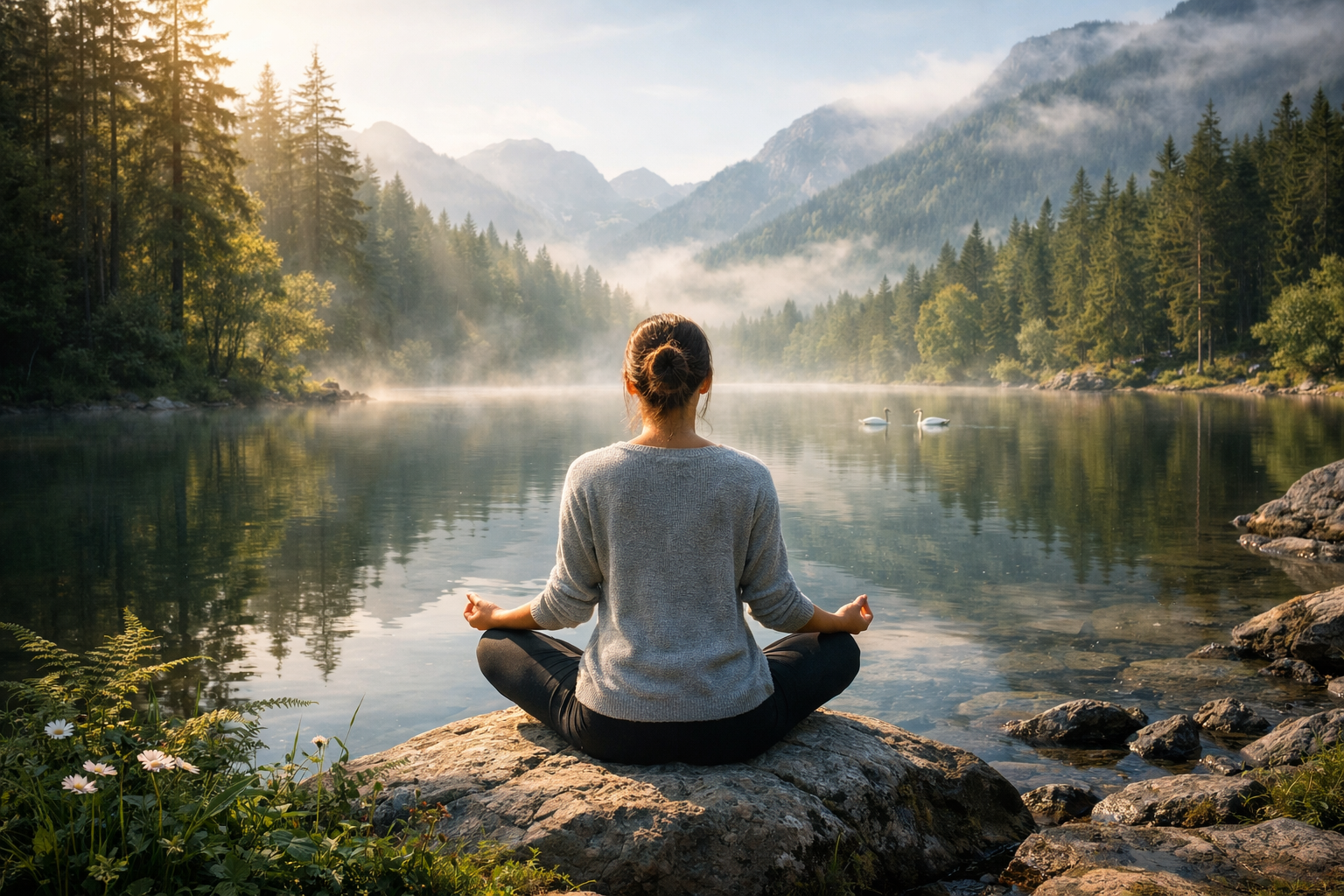
Another overlooked factor is natural darkness. Spending time outdoors during the day helps the brain produce melatonin properly at night. If you stay indoors under artificial light all day, the brain may struggle to regulate sleep hormones.
Nature as a Daily Tool for Stress Recovery and Emotional Resilience
Stress is not only about how much pressure you have, but how often you recover. Without recovery, stress becomes chronic and damages mental health over time. Nature is one of the simplest recovery tools available, which is why the benefits of nature for mental health are so valuable.
Even short exposure can help. You do not need a forest, a mountain, or a vacation. A small park, a garden, or even a quiet street with trees can provide measurable relief.
Nature also improves resilience by training the nervous system to calm down faster. When you repeatedly experience calm states outdoors, your brain learns that calm is possible. This makes it easier to regulate emotions during stressful situations.
Another important benefit is perspective. When the mind is stressed, it tends to shrink focus and exaggerate problems. Nature expands the sense of space and time, which can reduce the feeling of being trapped. This is one reason people often feel more hopeful after spending time outside.
Nature can also support mindfulness without effort. You do not need to “practice” anything formally. Simply noticing sounds, light, and movement naturally brings the mind into the present moment.
Practical Ways to Get the Benefits Without Major Lifestyle Changes
Many people understand the value of nature but struggle to make it part of daily life. The key is to treat nature exposure as a mental health habit, not as an occasional luxury. The benefits of nature for mental health become stronger when exposure is consistent.
Start with short, repeatable routines. A 10–20 minute walk in a green area can be enough to calm the nervous system. If you do this several times per week, the effects accumulate.
Use nature as a break, not an extra task. Instead of scrolling your phone during lunch, step outside and sit near trees. This gives the brain a real rest instead of more stimulation.
Combine nature with simple movement. Walking is one of the easiest ways to improve mood because it supports blood flow, breathing, and nervous system regulation. You do not need intense exercise for mental benefits.
If you live in a dense city, focus on micro-nature. Look for parks, rooftop gardens, riversides, or tree-lined streets. Even natural light near a window can support mood and focus.
Limit distractions while outside. If you listen to loud music or keep checking your phone, the brain may not fully relax. A few minutes of quiet attention helps nature do its job.
Conclusion
The benefits of nature for mental health include lower stress, improved mood, stronger focus, better sleep, and greater emotional resilience. Nature supports the nervous system in ways that modern environments often disrupt, helping the mind return to balance. The most effective approach is simple: consistent, small exposure to natural spaces, even if it is only a short walk several times a week.
FAQ
Q: What are the main benefits of nature for mental health? A: The main benefits include reduced stress, improved mood, better focus, and stronger emotional regulation. Regular exposure can also support healthier sleep.
Q: How long do I need to spend outside to feel mental health benefits? A: Many people feel calmer after 10–20 minutes in a natural environment. Consistency matters more than long sessions.
Q: Can nature help with anxiety and overthinking? A: Yes, nature can reduce nervous system tension and interrupt rumination. Natural surroundings provide grounding and lower mental overload.
Q: Does nature improve sleep quality? A: Yes, sunlight exposure and outdoor movement help regulate circadian rhythm. This can make it easier to fall asleep and improve sleep depth.
Q: What if I live in a city with limited green space? A: Small parks, tree-lined streets, riversides, or gardens can still help. Even short exposure to natural light and plants can support mental well-being.
