
Discover the Beauty of Traveling to Nature Reserves
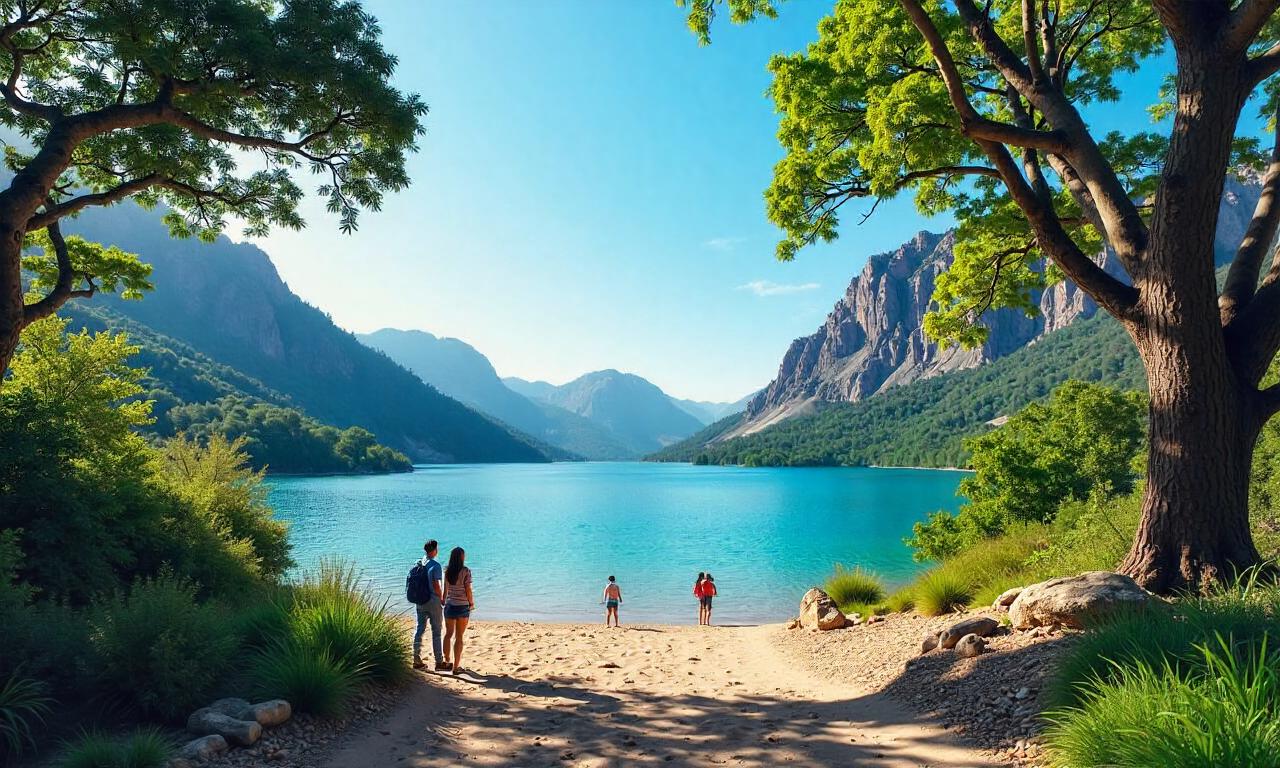
Traveling to nature reserves offers an unparalleled opportunity to connect with the Earth’s untouched landscapes and diverse ecosystems. In an era where urban life dominates our daily routines, nature reserves serve as a sanctuary for both travelers and wildlife, providing a chance to step away from the noise and immerse oneself in the raw beauty of the natural world. Whether you’re an adventure seeker, a photography enthusiast, or simply someone looking to unwind, travel to nature reserves can transform your journey into a meaningful and unforgettable experience. These protected areas are not just places to visit—they are living museums of biodiversity, where every trail, stream, and forest tells a story of resilience and harmony.
Why Travel to Nature Reserves
Unveiling Natural Wonders
Nature reserves are often located in some of the most breathtaking parts of the world, from dense rainforests to arid deserts and tranquil wetlands. Travel to nature reserves allows you to witness natural wonders that are rarely disrupted by human activity. Imagine standing on a cliff overlooking a vast ocean, or walking through a preserved ecosystem teeming with life. These experiences are not just visually stunning but also deeply educational, offering insight into the delicate balance of nature. Bold key terms like wildlife diversity and ecological significance can help highlight the unique value of these reserves. For instance, travel to nature reserves in regions like Costa Rica’s Monteverde Cloud Forest or Namibia’s Etosha National Park provides access to species found nowhere else on Earth. This immersion in nature fosters a deeper appreciation for the planet’s natural heritage.
Immersion in Biodiversity
One of the primary reasons travelers choose to visit nature reserves is the chance to explore biodiversity. These reserves are carefully managed to protect habitats and species, making them ideal for observing nature in its purest form. From the amazing array of flora and fauna to the intricate web of ecosystems, each reserve offers a unique window into the Earth’s biological richness.
When traveling to nature reserves, you might encounter rare animals such as the snow leopard in the Himalayas or the elusive pangolin in African forests. These encounters are not only thrilling but also serve as reminders of the importance of conservation. By visiting these areas, travelers contribute to the preservation of species and their habitats, ensuring that future generations can also experience this biodiversity.
Cultural and Historical Insights
Beyond their natural beauty, nature reserves often hold cultural and historical significance. Many reserves are located near ancient sites, indigenous communities, or historical landmarks that offer a deeper understanding of human interaction with the environment. For example, travel to nature reserves in Europe might include visits to protected areas that have been shaped by centuries of agricultural practices and folklore.
This blend of nature and culture creates a rich tapestry of experiences. Whether you’re exploring the timeless traditions of local communities or learning about the historical events that shaped the land, these reserves provide a multidimensional perspective on the world. Such cultural and historical insights enrich the journey, making it more than just a physical adventure.
Sustainable Travel Benefits
Choosing to travel to nature reserves aligns with eco-conscious values, making it a responsible choice for modern travelers. These reserves are often designated to minimize human impact, encouraging practices like low-impact tourism and sustainable travel. By visiting these protected areas, travelers support conservation efforts and promote environmental awareness.
Moreover, nature reserves offer a chance to disconnect from the fast-paced modern world. The tranquil environments and serene landscapes allow for mindfulness and reflection, which are essential in today’s busy lifestyles. This sustainable travel approach ensures that the beauty of these reserves remains intact for years to come.
Choosing the Right Reserve
Selecting the ideal nature reserve for your travel to nature reserves depends on your interests and the type of experience you seek. Some reserves are best for wildlife observation, while others are perfect for hiking or cultural exploration. Research the unique features of each reserve, such as the specific flora and fauna present, the accessibility, and the activities offered. For example, a reserve in the Amazon might focus on rainforest exploration, whereas a reserve in the Arctic could emphasize polar expeditions.
It’s also important to consider the seasonal variations of each reserve. A nature reserve in a tropical region might be lush and vibrant during the rainy season, while a reserve in a temperate climate could offer the best views during spring or fall. By choosing the right reserve, you ensure that your journey is both fulfilling and aligned with your travel goals.
Best Times to Visit
Timing your visit to a nature reserve can significantly enhance your experience. The best times to visit vary depending on the location and the activities you want to engage in. For instance, traveling to nature reserves in the northern hemisphere during autumn might offer the chance to see migratory birds, while visiting reserves in the southern hemisphere during spring could coincide with blooming flora.
Additionally, seasonal weather patterns play a crucial role in determining the optimal travel time. A reserve in a mountainous region might be most accessible during the summer months when the trails are clear, while a reserve in a desert could be best visited in the cooler months to avoid extreme heat. Planning your trip around these factors ensures that you can fully enjoy the natural beauty and ecological diversity of the reserve.
Essential Packing List
To make the most of your travel to nature reserves, it’s essential to prepare thoroughly. A well-organized packing list should include items like comfortable hiking boots, weather-appropriate clothing, and a reusable water bottle. Depending on the reserve, you might also need a binoculars for birdwatching or a field guide to identify local species.
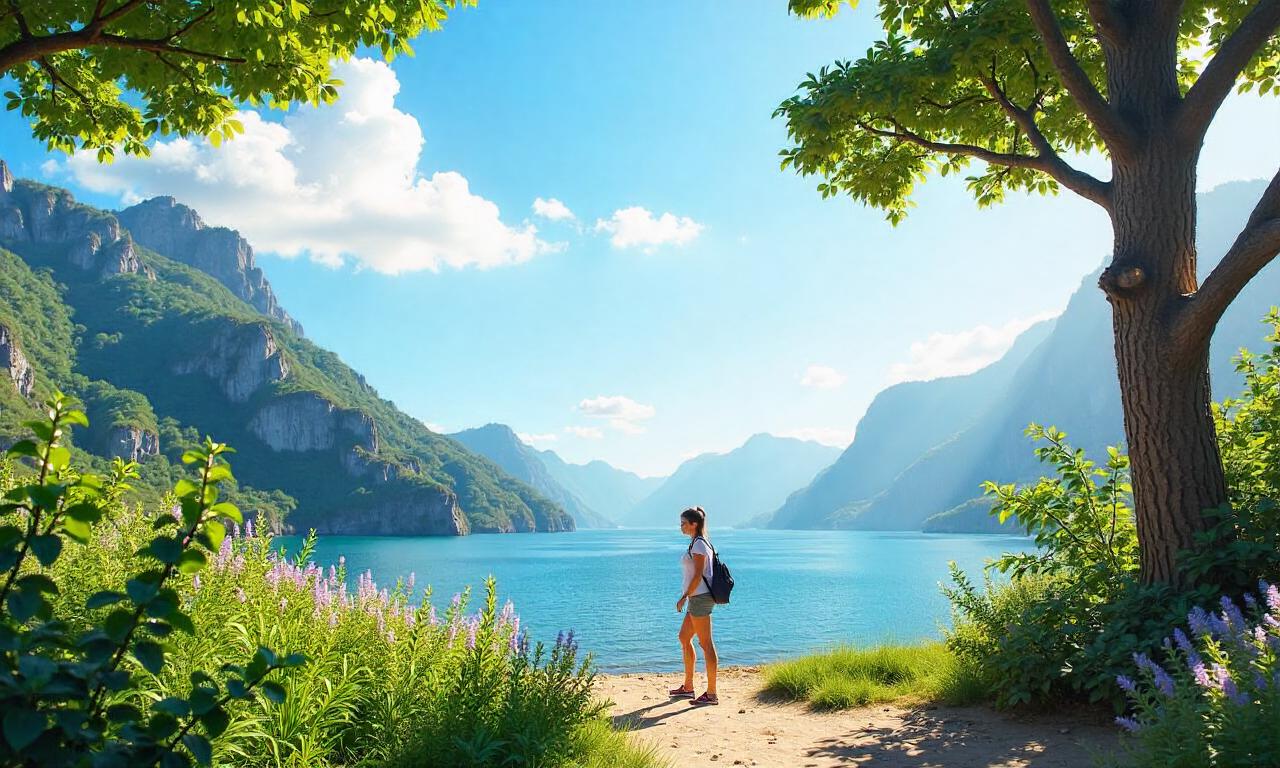
Don’t forget to pack eco-friendly products such as biodegradable soap and reusable bags to minimize your environmental footprint. Traveling to nature reserves often requires carrying your own supplies, so being prepared ensures that you can fully enjoy the experience without disrupting the ecosystem.
Eco-Friendly Practices
Adopting eco-friendly practices is a key aspect of travel to nature reserves. These reserves are often fragile environments, so it’s important to follow guidelines to protect them. This includes staying on designated trails, avoiding littering, and refraining from feeding wildlife. By practicing sustainable tourism, you contribute to the long-term preservation of these natural spaces.
Moreover, eco-friendly practices extend to your accommodation choices. Many reserves offer green lodges or eco-friendly campsites that prioritize energy efficiency and waste reduction. Choosing such options ensures that your travel to nature reserves is as environmentally responsible as it is enjoyable.
Experiences in Nature Reserves
Wildlife Encounters
One of the most thrilling aspects of traveling to nature reserves is the opportunity to witness wildlife encounters. These reserves are home to a wide variety of animals, from majestic elephants and elusive tigers to vibrant tropical birds and rare marine species. Observing these creatures in their natural habitat provides a sense of awe and respect for the ecological balance they maintain. Bold terms like conservation efforts and wildlife diversity can emphasize the importance of these encounters. For example, a reserve in Kenya’s Maasai Mara offers the chance to see the Great Migration, while a reserve in New Zealand might feature endangered species like the kiwi bird. These wildlife encounters are not only memorable but also educational, helping travelers understand the role of each species in the ecosystem.
Hiking and Trekking
For adventure enthusiasts, hiking and trekking in nature reserves provide a unique way to explore the landscape. These activities allow you to discover the beauty of the terrain while enjoying the physical and mental benefits of being outdoors. Whether you’re traversing mountain trails or navigating forested paths, the experience is both challenging and rewarding. Bold phrases like physical challenges and mental rejuvenation can highlight the dual benefits of these activities. Many nature reserves offer guided hikes, which are ideal for those new to the area. These hikes often include educational stops where you can learn about the local flora and fauna. By hiking and trekking, you not only enjoy the scenery but also contribute to the conservation efforts of the reserve.
Birdwatching and Photography
Nature reserves are a paradise for birdwatching and photography enthusiasts. The diverse habitats and unique species found in these areas provide endless opportunities for capturing stunning images and observing bird behavior. From colorful birds of paradise in Indonesia to migratory birds in wetlands, every reserve has its own photographic treasures. Bold terms such as visual storytelling and natural photography can emphasize the creative aspects of this activity. Traveling to nature reserves for birdwatching often involves early mornings, where the tranquil atmosphere and serene landscapes create the perfect setting for capturing nature’s beauty. Additionally, many reserves host photography workshops, helping travelers improve their skills while immersing themselves in the environment.
Guided Tours and Educational Programs
To deepen your understanding of nature reserves, consider joining guided tours and educational programs. These initiatives are led by experts who share insights into the local ecology, cultural history, and conservation efforts. Whether you’re learning about plant species or wildlife behavior, these programs enhance the educational value of your trip. Bold phrases like expert-led experiences and interactive learning can highlight the benefits of these programs. Guided tours often include hands-on activities such as tree planting or wildlife tracking, which foster a sense of responsibility and connection. By participating in educational programs, you turn your travel to nature reserves into a meaningful journey that benefits both you and the environment.
Benefits of Traveling to Nature Reserves
Environmental Impact
Traveling to nature reserves plays a vital role in environmental conservation. By visiting these protected areas, you support sustainable tourism initiatives that fund preservation projects and research programs. These reserves act as carbon sinks, absorbing CO2 and mitigating climate change.
Moreover, nature reserves help protect habitats from degradation caused by human activity. Traveling to nature reserves encourages visitors to adopt eco-friendly habits, such as reducing plastic waste and using renewable energy sources. This environmental impact is a win-win, benefiting both the planet and the traveler.
Health and Well-being
The health benefits of traveling to nature reserves are well-documented. Being in natural surroundings has been shown to reduce stress, improve mood, and enhance overall well-being. The fresh air, green spaces, and peaceful environments of these reserves provide a natural therapy that is essential for mental and physical health. Bold terms like stress reduction and mindfulness can emphasize the therapeutic aspects. Traveling to nature reserves often involves active outdoor activities such as hiking or birdwatching, which promote physical exercise and mental clarity. This health and well-being boost is particularly valuable in today’s fast-paced society.
Mindfulness and Reflection
Nature reserves offer the perfect setting for mindfulness and reflection. The serene atmosphere and natural sounds of these areas create a tranquil environment for introspection and relaxation. Whether you’re sitting by a lakeside or gazing at the starlit sky, the experience is one of inner peace and renewal. Bold phrases like inner peace and renewal can highlight the reflective value of these reserves. Traveling to nature reserves encourages a slow-paced lifestyle, allowing you to disconnect from digital distractions and reconnect with nature. This mindfulness and reflection can lead to greater life satisfaction and personal growth.
Educational Value
The educational value of traveling to nature reserves is immense. These areas serve as living classrooms, where you can learn about ecological systems, conservation strategies, and biodiversity. Whether you’re exploring marine reserves or forest preserves, the experience is both informative and inspiring. Bold terms such as informative journeys and inspiring experiences can underscore the educational benefits. Many nature reserves have interpretive centers and interactive exhibits that provide in-depth knowledge about the local environment. By traveling to nature reserves, you gain valuable insights that can be applied to your daily life and environmental advocacy. Conclusion Traveling to nature reserves is more than just a vacation—it’s a chance to explore the natural world, support conservation efforts, and enhance personal well-being. The unique experiences offered by these reserves, from wildlife encounters to guided tours, make them an ideal destination for travelers seeking meaningful adventures. Whether you’re hiking through forests, birdwatching in wetlands, or learning about ecological systems, travel to nature reserves ensures that your journey is both enriching and sustainable. As you discover the beauty of these areas, you’ll not only create unforgettable memories but also contribute to the preservation of our planet. So, plan your next trip to a nature reserve and let the natural wonders of the Earth inspire you.
