
Endangered Species in the Rainforest: What to Know
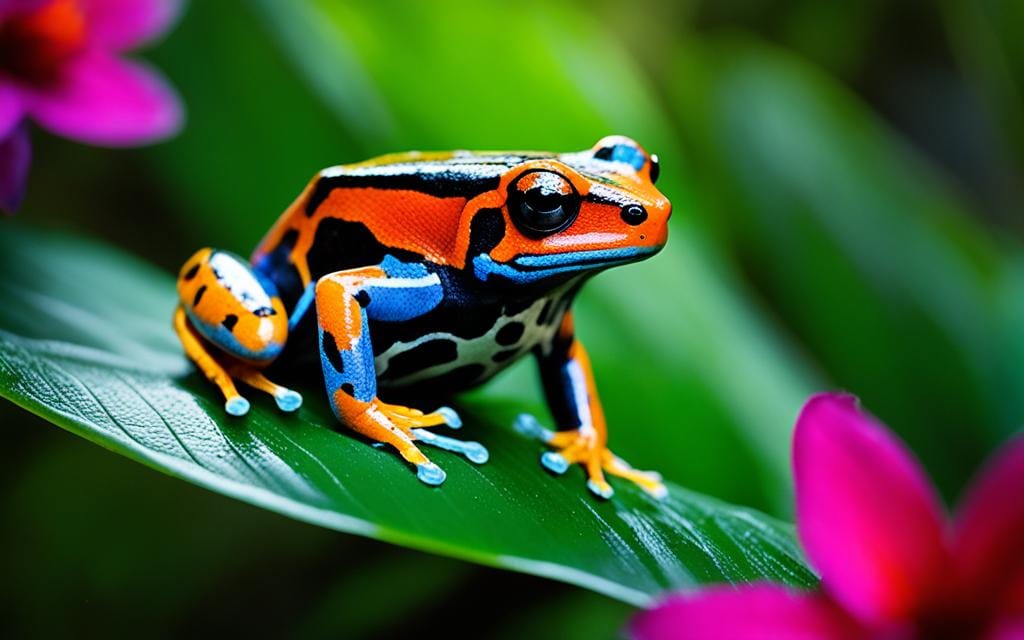
earthguardiansonline.com – Endangered Species in the Rainforest. We all have a duty to protect the amazing life in our planet’s rainforests. These green havens are full of endangered animals, from big cats to our closest relatives. We’ll look into why rainforests matter, the dangers they face, and how we can help save these important places and their inhabitants.
Rainforests are stunning and vital for our planet’s health. They’re full of life, from the top trees to the ground below. But, many animals living there are at risk of disappearing because of us. By learning about these challenges, we can find ways to save these ecosystems and the animals that live there.
Introduction to Endangered Species in the Rainforest
Rainforests are amazing places full of different plants and animals. But, many of these species are in danger of disappearing. We’ll talk about why we need to protect these endangered animals living in the rainforest.
The rainforest is a natural wonder, full of tall trees and colorful birds. It’s home to some of the most unique animals on Earth. But, things like cutting down forests, hunting, and climate change threaten their homes. This puts many species at risk of going extinct.
We need to act fast to save the tropical animals that live in the rainforest. By learning about the dangers they face and protecting their homes, we can help. This will keep the rainforests and their amazing life safe for the future.
Let’s dive deeper into the amazing life of the rainforest. We’ll see what we can do to help the endangered animals living there. Together, we can make a difference for these incredible forests and their inhabitants.
What Are Rainforests and Why Are They Important?
Rainforests are dense, lush forests near the equator that get a lot of rain. They are full of different plants and animals, making them rainforest biodiversity hotspots. These forests cover just 6% of the Earth but have over 50% of the world’s tropical rainforest ecosystem. They support many species, many of which are found only here.
Biodiversity Hotspots
Rainforests are key places for rainforest biodiversity because of the many unique and threatened species they have. These areas are crucial for the balance of the tropical rainforest ecosystem. They are home to about 80% of the world’s known plant and animal species, and many more that haven’t been discovered yet.
Ecosystem Services
Rainforests also offer important rainforest ecosystem services that help both local and global communities. These services include controlling the climate, cleaning the air and water, and supporting indigenous communities. Rainforests are key in absorbing carbon dioxide, producing oxygen, and keeping the planet healthy.
| Rainforest Ecosystem Services | Benefits |
|---|---|
| Climate Regulation | Rainforests help regulate global temperatures and precipitation patterns, playing a critical role in mitigating climate change. |
| Air and Water Purification | Rainforests filter the air and water, removing pollutants and providing clean, healthy resources for human and wildlife populations. |
| Indigenous Livelihoods | Many indigenous communities depend on the resources and services provided by rainforests to sustain their traditional way of life. |
Major Threats to Rainforest Biodiversity
Rainforests worldwide face many threats to rainforest biodiversity that threaten their ecosystems. Deforestation and climate change are big challenges. It’s important to know the causes of rainforest deforestation and rainforest conservation challenges to protect these natural wonders.
Deforestation is a big reason for losing biodiversity in rainforests. Logging, farming, and cattle ranching clear huge areas of forest. This destroys homes for many species and harms ecosystems.
Climate change is another big threat. It brings rising temperatures, changes in rain, and more extreme weather. Many species can’t adapt fast enough, leading to fewer individuals and more rainforest conservation challenges.
Poaching and the illegal wildlife trade also harm rainforest life. The demand for exotic pets and traditional medicines drives the capture and killing of endangered animals. This makes the threats to rainforest biodiversity even worse.
| Threat | Impact on Rainforest Biodiversity |
|---|---|
| Deforestation | Habitat loss, fragmentation, and destruction of ecosystems |
| Climate Change | Disruption of delicate ecological balances, species migration, and population declines |
| Poaching and Illegal Wildlife Trade | Direct targeting and removal of endangered species from their habitats |
We need a strong plan to fight these threats to rainforest biodiversity. This includes more conservation, sustainable land use, and raising awareness. Working together, we can save the unique life of the rainforests.
Deforestation: A Leading Cause of Species Decline
Deforestation is a big problem that threatens the life of rainforests worldwide. It’s a top reason why many species are disappearing. We need to know why deforestation happens. The main reasons are logging for wood and growing more food, like cattle ranching.
Commercial Logging
Logging for profit is a big cause of deforestation. Companies cut down huge areas of rainforest for wood products. This destroys homes for many animals and breaks up the forest. It makes it hard for animals to find food, shelter, and places to breed.
Agriculture and Cattle Ranching
More land for farming and cattle ranching also leads to deforestation. As people grow, so does the need for food and resources. This turns forests into farms and pastures. This can be very bad for animals that live in the rainforest. They might have to fight over less space or could disappear forever.
We must tackle deforestation to save the rainforests and their many species. Using forests wisely, farming better, and supporting conservation can help. These actions are key to keeping these important ecosystems safe for the future.
| Causes of Deforestation | Impact on Rainforest Biodiversity | Sustainable Forestry Practices |
|---|---|---|
| Commercial Logging | Habitat loss and fragmentation | Selective logging, reforestation, and forest management |
| Agriculture and Cattle Ranching | Conversion of forest land to farmland and grazing pastures | Sustainable agriculture, agroforestry, and ecologically-sound land use planning |
Climate Change and Its Impact on Rainforests
Climate change is a big threat to rainforests. Rising temperatures and changes in weather patterns hurt these important places. The effects of climate change on rainforests are clear. We need to understand how global warming affects rainforest ecosystems to save them.
Rainforests are full of life and help us in many ways. They keep the climate stable and support local communities. But, they’re facing big challenges from climate change. Warming and unpredictable weather are testing their strength.
Climate change is making droughts more common in rainforests. These dry spells can cause huge fires, destroying homes for many plants and animals. Also, changes in rain can make it hard for plants and animals to survive.
| Indicator | Impact on Rainforests |
|---|---|
| Rising Temperatures | Increased stress on plants and animals, leading to changes in species distribution and potential extinctions. |
| Shifting Rainfall Patterns | Disruption of water cycles, affecting the growth and survival of plants and animals, and increasing the risk of droughts and floods. |
| Extreme Weather Events | Increased frequency and intensity of storms, hurricanes, and other extreme weather events, leading to habitat destruction and species loss. |
Even with the big challenges, there’s hope. We can save rainforests with conservation, smart land use, and community action. By acting now, we can keep these vital places safe for the future.
Poaching and Illegal Wildlife Trade
Rainforests around the world are full of endangered species. Many of these face threats from poaching and illegal wildlife trade. This illegal trade is a huge problem, pushing species like primates, big cats, and others towards extinction.
Demand for Exotic Pets
Exotic pets drive poaching in rainforests. Species like parrots, monkeys, and reptiles are wanted as pets. This leads to capturing and selling them illegally. It harms the animals and reduces their numbers in the wild.
Traditional Medicine and Bushmeat
Traditional medicine and bushmeat also threaten rainforest animals. Animals like pangolins and tigers are hunted for their supposed health benefits. Bushmeat hunting affects many species, including primates and large mammals.
Poaching and illegal wildlife trade harm rainforest life greatly. They threaten species survival and disrupt ecosystems. To fix this, we need strong laws, less demand, and support for local conservation efforts.
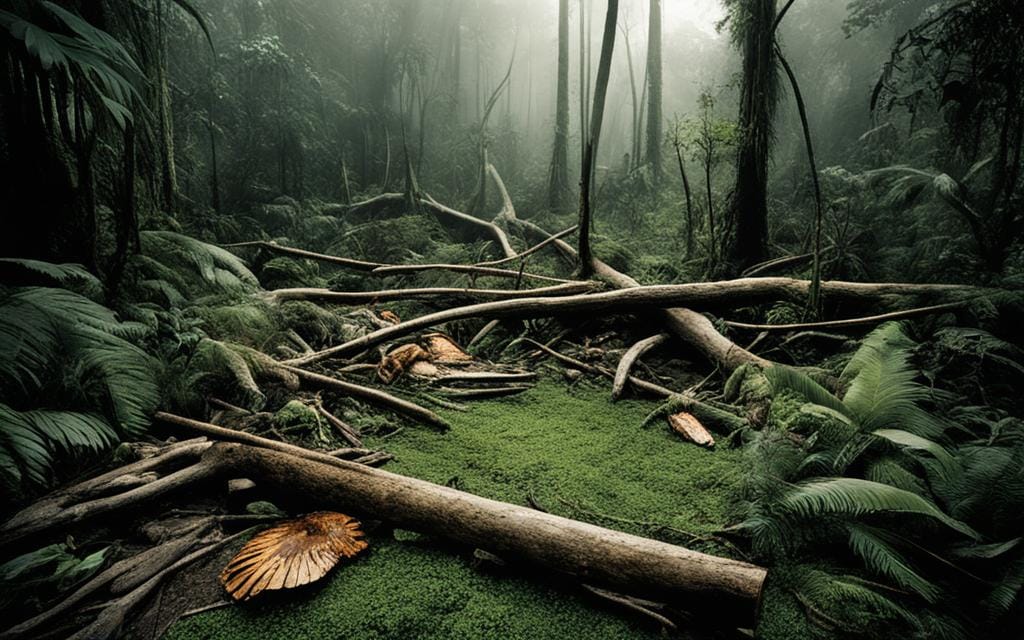
Endangered Species in the Rainforest
Rainforests are full of endangered animals, like jaguars and gorillas. They also have the Sumatran rhinos and Vaquita porpoises. These animals face many dangers, such as deforestation and poaching. We will look at some endangered animals and how we can help them.
The Sumatran rhino is very rare, with only a few left. It’s losing its home and hunted for its horn. The Vaquita, a small porpoise, is also in danger. It lives in the Gulf of California and is caught in fishing nets by accident.
Monkeys like the mountain gorilla and the Bornean orangutan are also in trouble. Gorillas lose their homes and get hunted. Orangutans face deforestation and palm oil plantations. Big cats, such as jaguars and Sumatran tigers, are fighting to survive too.
| Endangered Rainforest Species | Conservation Status | Primary Threats |
|---|---|---|
| Sumatran Rhino | Critically Endangered | Habitat loss, Poaching |
| Vaquita | Critically Endangered | Bycatch in Fishing Nets |
| Mountain Gorilla | Endangered | Poaching, Habitat Loss |
| Bornean Orangutan | Endangered | Deforestation, Palm Oil Expansion |
| Jaguar | Near Threatened | Habitat Fragmentation, Human-Wildlife Conflict |
| Sumatran Tiger | Critically Endangered | Habitat Loss, Poaching |
There are efforts to save these animals. We’re setting up protected areas and fighting poaching. Supporting these efforts helps keep these species safe for the future.
Iconic Rainforest Species at Risk
Rainforests are home to some of the most iconic species on Earth. These include primates and big cats, both under threat. Understanding their challenges and conservation efforts is key to their survival.
Primates
Rainforests shelter a variety of primates, from playful spider monkeys to majestic gorillas. Many are endangered due to habitat loss, poaching, and illegal trade. The Sumatran orangutan and Cross River gorilla are near extinction, with their numbers falling fast.
Efforts to save these primates include protected areas, anti-poaching, and sustainable land-use. Reforestation and ecotourism also help protect their habitats.
Big Cats
The world’s rainforests are home to big cats like the jaguar, clouded leopard, and tiger. These cats face threats similar to the primates, with habitat loss and poaching major issues.
Conservation for these cats means stronger laws, fighting illegal trade, and protecting their homes. Ecotourism and sustainable forestry are also key.
Learning about endangered primates and big cats shows us why we must protect them. With teamwork and sustainable solutions, we can save these amazing creatures for the future.
Conservation Efforts and Sustainable Solutions
Protecting and restoring rainforests is key to saving their endangered species. We’ll look at the conservation efforts, like setting up protected areas and sustainable tourism. These efforts help fight the threats to rainforest life.
Protected Areas
Creating protected areas is a main way to save rainforests. These areas, like national parks, keep the home and life of endangered species safe. They limit human activities, giving plants and animals a safe place to live.
Ecotourism in Rainforest Regions
Ecotourism is a growing way to help rainforests. It lets visitors see the beauty of the rainforest without harming it. This kind of tourism brings in money that helps protect the rainforest and its people.
| Rainforest Conservation Strategies | Advantages |
|---|---|
| Protected Areas | Preserves habitat and biodiversity, restricts human activity |
| Ecotourism | Generates revenue for conservation, supports local communities |
Using a mix of protected areas and sustainable tourism can greatly help rainforest conservation. These efforts, along with fighting deforestation and climate change, give us hope for the future of our planet’s rainforests.
The Role of Indigenous Communities
Indigenous communities have been key in protecting rainforests for centuries. They have a deep understanding of the land that helps in saving these ecosystems. Their knowledge is crucial for the long-term health of rainforests.
These communities have lived in harmony with the land for many years. They know how to keep the balance in nature. This knowledge is vital for saving endangered species and fighting threats to rainforests.
By supporting indigenous-led conservation, we can use their skills to protect the rainforest. Working with these groups lets us protect their lands and the species living there. This way, we can save these important places for the future.
Indigenous communities are essential in saving rainforests. Their knowledge and ways of living are effective in solving environmental problems. By backing their efforts, we can help rainforests and their many species to survive and flourish.
How You Can Help Protect Rainforest Species
The threats to rainforests and their species can seem huge. But, there are many ways we can help. By supporting conservation and living eco-friendly, we can make a big difference. We can all help protect these vital natural places.
Supporting rainforest conservation groups is a powerful step. These groups fight to save habitats and stop deforestation. You can donate, volunteer, or spread the word about their work.
In our everyday choices, we can also help. Look for products that are good for the planet. Try to use less meat and dairy, pick energy-saving items, and recycle more. These actions help protect the rainforests.
- Support rainforest conservation organizations through donations or volunteering
- Adopt eco-friendly lifestyle choices, such as reducing meat and dairy consumption, using energy-efficient products, and recycling
- Spread awareness about the importance of rainforest conservation and the threats facing these ecosystems
Small actions from us can make a big difference. Together, we can protect endangered species and save our planet’s rainforests. Let’s work together to keep our planet safe.
Conclusion
Rainforests are truly amazing and can’t be replaced. They are full of endangered species. We must protect these vital places because they keep our planet healthy.
Understanding the threats they face, like deforestation and climate change, helps us find ways to save them. We can support protected areas and tourism that helps nature. We can also listen to indigenous communities who have always cared for these lands.
As global citizens, we must act to save rainforests and their endangered friends. We can all help in many ways. Let’s work together to make sure these ecosystems and their species survive for the future.
By saving rainforests, we keep their amazing variety of life and protect the services they give us. These services include keeping our climate stable, cleaning our air and water. Let’s all support saving rainforests and follow sustainable ways of living.
Let’s join together in this important cause. We can make a big difference and leave a legacy of caring for the environment. Together, we can change the world for the better.
FAQ
What are the major threats to rainforest biodiversity?
Rainforests face big threats like deforestation, climate change, poaching, and illegal wildlife trade. Deforestation happens due to logging, farming, and cattle ranching. This leads to losing habitats and causing species to decline. Climate change also affects rainforests, changing temperatures and rainfall patterns that threaten many species.
Poaching and illegal wildlife trade target iconic and endangered species in rainforests. These activities are major threats to their survival.
What are some of the endangered species found in rainforests?
Rainforests are home to many endangered species. You’ll find animals like jaguars, gorillas, and orangutans. There are also lesser-known species like the Sumatran rhino and the Vaquita porpoise.
These species face threats like habitat loss, poaching, and climate change impacts.
What are some of the conservation efforts underway to protect rainforest biodiversity?
Conservation efforts include setting up protected areas and starting sustainable ecotourism. Involving indigenous communities in conservation is also key. Protected areas protect critical habitats. Ecotourism offers a way for local communities to earn money by preserving nature.
Indigenous communities’ traditional knowledge is crucial for protecting rainforests. Their insights help in the conservation efforts.
How can individuals help protect endangered rainforest species?
People can help by supporting conservation groups, making eco-friendly choices, and pushing for protective policies. You can reduce your carbon footprint, avoid products from endangered species, and choose eco-friendly travel options to rainforests.
Why are rainforests considered biodiversity hotspots?
Rainforests are biodiversity hotspots because they have a lot of unique and threatened species. They’re full of plants and animals found nowhere else. The tropical climate of rainforests is perfect for many species to live and thrive.
This makes rainforests some of the most biodiverse places on Earth.
