
Essential Nature Photography Guide: Mastering Outdoor Shots
Nature photography is more than just capturing images of landscapes or wildlife—it’s about conveying the beauty, serenity, and complexity of the natural world. Whether you’re a beginner or an experienced photographer, having a solid nature photography guide can help you elevate your craft and create compelling outdoor shots. This article serves as your comprehensive nature photography guide, offering expert tips, techniques, and insights to help you master the art of photographing nature. From choosing the right equipment to understanding lighting and composition, we’ll cover everything you need to take your nature photography guide to the next level.
Section 1: The Fundamentals of Nature Photography
To excel in nature photography guide, it’s essential to start with the basics. Nature photography requires patience, observation, and a deep connection with the environment. Unlike studio photography, outdoor settings present unpredictable variables such as weather, light, and movement, making adaptability a key skill.
Choosing the Right Equipment
The first step in any nature photography guide is selecting the appropriate gear. A DSLR or mirrorless camera with a high-quality lens is ideal, but even smartphones with advanced camera features can produce stunning results. Wide-angle lenses are perfect for capturing expansive landscapes, while telephoto lenses allow you to zoom in on distant subjects like birds or flowers. A sturdy tripod is also crucial, as it ensures stability and sharpness, especially in low-light conditions or when using long exposures. Remember, the right equipment is just a tool—it’s your ability to use it creatively that defines your work.
Understanding the Environment
Before heading out, research your subject. Study the habits of animals, the seasonal changes in plants, and the weather patterns that affect visibility. For example, sunrise and sunset often offer the most dramatic lighting, while overcast days can provide soft, even illumination for portraits of plants or animals. Knowing the environment helps you anticipate the best times and locations to capture nature’s essence.
Section 2: Composition Techniques for Stunning Nature Shots
Composition is the backbone of any great photograph. In nature photography guide, mastering composition techniques can transform ordinary scenes into extraordinary visuals.
Rule of Thirds and Leading Lines
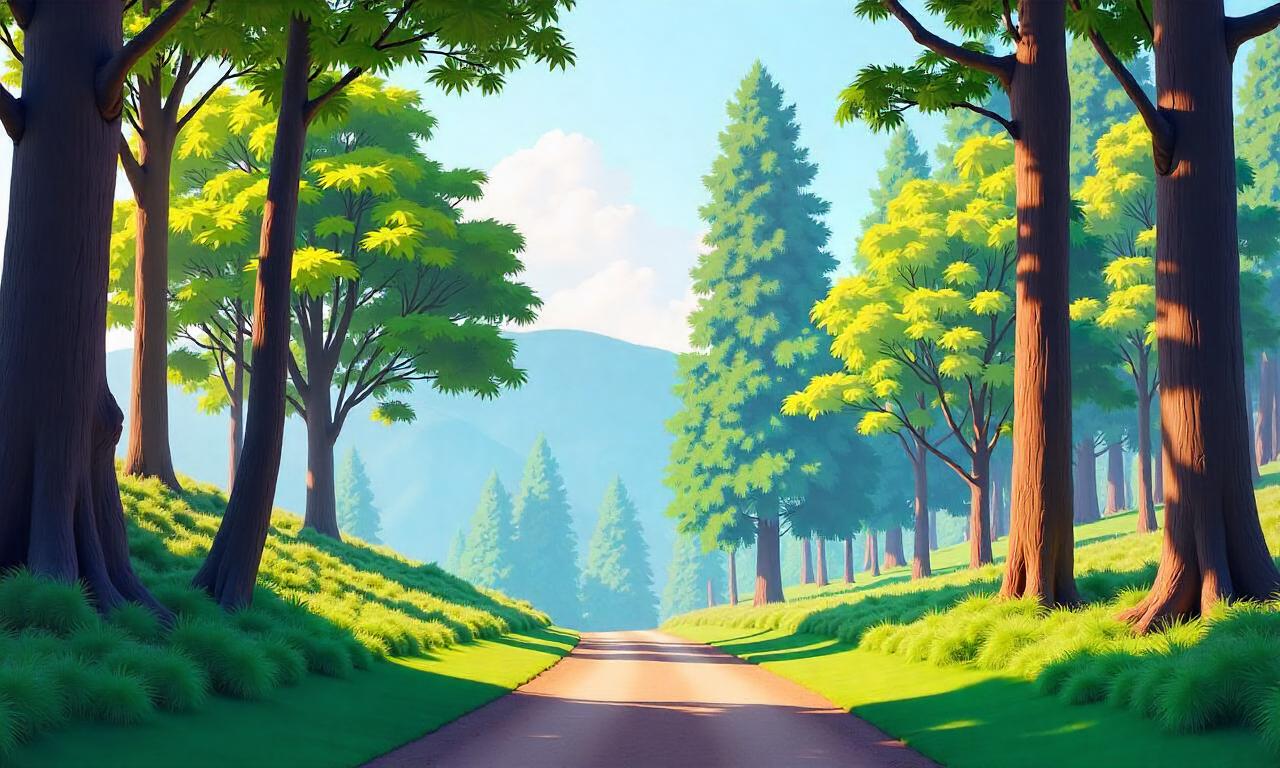
One of the most fundamental principles in nature photography guide is the rule of thirds. By dividing the frame into a 3×3 grid and placing key elements along the lines or at the intersections, you create a more balanced and engaging image. For instance, positioning a tree or a rock along the grid lines can lead the viewer’s eye through the scene. Leading lines are another powerful tool. Natural elements like rivers, paths, or mountain ridges can guide the viewer’s attention toward the focal point. Use these lines to add depth and perspective to your shots, making them more dynamic and visually compelling.
Framing and Perspective
Framing your subject within natural elements can add layers of interest to your photographs. Trees, arches, or rock formations can act as natural frames, drawing attention to your main subject while emphasizing the surrounding environment. Experiment with different angles and perspectives to highlight unique features. For example, shooting from a low angle can make a flower appear more dramatic, while a high vantage point can showcase a vast landscape.
Section 3: Lighting and Timing in Nature Photography
Lighting plays a pivotal role in determining the mood and quality of your nature photographs. In nature photography guide, timing your shots with the right light can make all the difference.
Golden Hour and Blue Hour
The golden hour, which occurs during the first and last hours of daylight, is renowned for its warm, soft light. This period is perfect for capturing textures and colors in landscapes, as the light is diffused and flattering. Similarly, the blue hour—the time just after sunset or before sunrise—offers a cool, ethereal glow that can create a magical atmosphere. Backlit shots during these times can produce stunning effects, especially when photographing water or mist. The interplay of light and shadow can add depth and dimension to your images, making them more captivating.
Using Natural Light Effectively
Avoid relying on artificial lighting whenever possible. Nature provides a variety of lighting conditions, and learning to work with them can enhance your photographs. For instance, overcast days are excellent for capturing sharp, detailed shots of flowers or insects, while cloudy skies can create a moody, dramatic feel in landscapes. Experiment with different times of day to discover how light interacts with your subject and the environment.
Section 4: Advanced Tips for Capturing Nature’s Beauty
Once you’ve mastered the fundamentals, it’s time to refine your skills with advanced techniques. A nature photography guide should also include strategies for overcoming common challenges and elevating your creativity.
Capturing Motion and Action
To freeze motion or create a sense of movement, use a fast shutter speed. This is particularly useful when photographing flying birds, running waterfalls, or fluttering butterflies. A shutter speed of 1/500th of a second or faster can capture sharp details, while slower speeds can create artistic blur for dynamic effects. Panning techniques are also valuable for capturing motion. By moving your camera in sync with the subject, you can create a sense of motion while keeping the subject in focus. This method is especially effective for photographing animals in motion or vehicles in a landscape.
Post-Processing for Nature Photography
Even the best outdoor shots can benefit from post-processing. Use software like Adobe Lightroom or Photoshop to adjust exposure, contrast, and color balance. Enhance the vibrancy of colors to make your images pop, but avoid over-editing—natural tones should remain authentic. Crop your images to improve composition, and apply subtle sharpening to highlight textures and details.
Section 5: Practical Applications and Real-World Scenarios
Applying the principles of nature photography guide in real-world scenarios requires adaptability and a keen eye for detail. Let’s explore how to tackle different environments and subjects.
Landscapes: Capturing the Big Picture
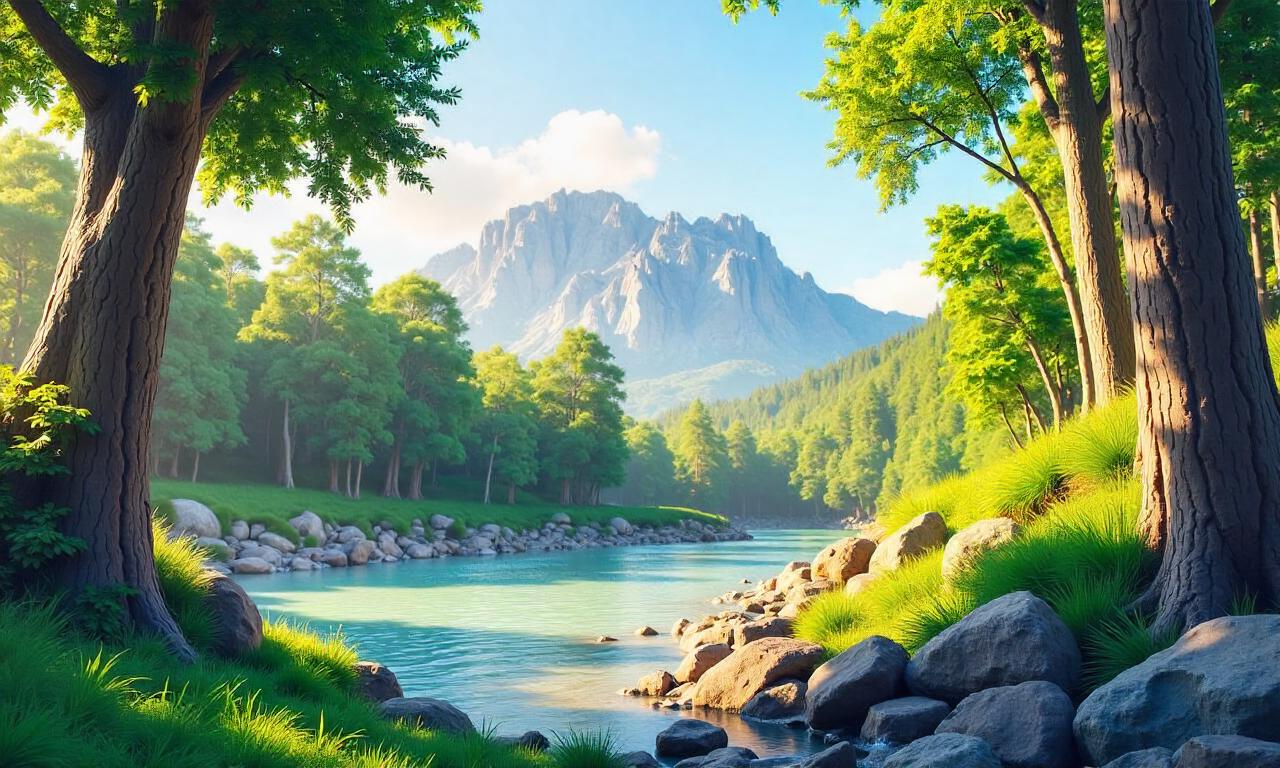
When photographing landscapes, focus on depth, scale, and grandeur. Use wide-angle lenses to capture expansive vistas and experiment with long exposures to create silky water effects or blurred clouds. Include elements like mountains, forests, or bodies of water to add visual interest and context. Pay attention to the time of day and weather conditions, as they can drastically alter the appearance of a landscape.
Wildlife Photography: Capturing Life in Motion
Photographing wildlife demands patience and quick reflexes. Position yourself at eye level with your subject to create a more intimate connection. Use a fast shutter speed to capture sharp details, and consider using a telephoto lens to maintain a safe distance while still getting close-ups. Patience is your greatest ally in nature photography guide. Wait for the perfect moment—whether it’s a bird landing on a branch or a deer stepping into the frame—to ensure your shot is meaningful and impactful.
Close-Up Photography: The Art of Details
Close-up nature photography, or macro photography, allows you to explore the intricate details of small subjects like flowers, insects, or textures in bark. Use a macro lens or a standard lens set to a high magnification setting to capture these details. Focus on the fine textures and colors, and experiment with different angles to reveal the hidden beauty of the natural world.
Section 6: Overcoming Common Challenges in Nature Photography
Even seasoned photographers face challenges when shooting in nature. Here’s how to tackle them using the principles from your nature photography guide.
Dealing with Harsh Weather Conditions
Rain, wind, and snow can create unique opportunities for nature photography guide. For example, raindrops on leaves or frost-covered plants can add visual interest to your shots. Use a weather-sealed camera or protect your equipment with a rain cover to prevent damage. Low light conditions can be challenging, but they also offer the chance to capture moody, atmospheric images. Increase your ISO, use a wide aperture, and rely on natural light sources like fireflies or lanterns in the evening.
Managing Backlighting and Overexposure
Backlighting can create beautiful effects, but it can also cause overexposure or harsh shadows. Use a reflecting umbrella or a neutral density filter to balance the exposure. Adjust your camera settings to ensure your subject is well-lit without losing the natural ambiance. Incorporate <strong>natural elements</strong> like water or mist to soften the light and add depth to your images.
Section 7: The Importance of Patience and Practice
In nature photography guide, patience and practice are as important as technical skills. Nature photography often requires waiting for the right moment, and the more you practice, the better you’ll become at anticipating and capturing it.
Capturing the Moment
The best nature photographs are often unplanned, but they require preparation and timing. For instance, photographing a rainbow might take hours of waiting, but the reward is a stunning image that captures the beauty of the moment. Practice by shooting in different environments and experimenting with your techniques. Over time, you’ll develop an intuitive understanding of how to compose and capture nature’s beauty.
Learning from the Environment
Observe the environment closely and learn from it. Seasonal changes can teach you about light, color, and texture, while weather patterns can show you how to adapt your equipment and techniques. This continuous learning is the essence of a nature photography guide. The more you engage with nature, the more your photographs will reflect its true essence.
Section 8: Tips for Long-Term Success in Nature Photography
To sustain your passion for nature photography guide, consider these long-term strategies that will help you grow as a photographer and maintain your creativity.
Building a Routine
Establishing a regular routine can help you stay consistent and improve your skills. Dedicate time to explore new locations, practice your techniques, and review your work. This habit will not only enhance your technical abilities but also deepen your connection with nature. Consistency is key to long-term success. Whether it’s a daily walk in the park or a weekend trip to the mountains, regular practice will lead to noticeable improvement.
Expanding Your Skill Set
A nature photography guide should encourage you to expand your skill set beyond basic techniques. Learn about long exposure photography, focus stacking, or panoramic shots to add variety to your portfolio. Experiment with different styles such as black and white, color, or abstract photography to discover your unique voice. Each new technique you master will open up new possibilities for capturing nature’s beauty.
Sharing Your Work
Sharing your photographs with others is an essential part of nature photography guide. Upload your images to platforms like Instagram or Flickr, and engage with a community of nature photographers. Feedback and inspiration from others can help you refine your craft and stay motivated. Consider creating a portfolio or blog to showcase your work and share your journey with the world.
Section 9: The Future of Nature Photography
As technology advances, the tools available to nature photographers are evolving. However, the core principles of nature photography guide remain unchanged.
Embracing New Tools
Modern cameras and smartphones offer features like AI-powered focus, high dynamic range (HDR), and improved low-light performance. These tools can enhance your ability to capture nature’s details, but they should complement, not replace, your creative vision. Drone photography is also gaining popularity, allowing you to capture aerial views of landscapes or unique angles of wildlife. However, always consider the environmental impact and follow local guidelines to protect the natural areas you photograph.
Sustainability in Nature Photography
Incorporate sustainability into your practice by minimizing your footprint and respecting the environment. Avoid disturbing wildlife or damaging plants, and use eco-friendly practices when possible. This mindful approach ensures that your <strong>nature photography guide</strong> not only captures beauty but also preserves it for future generations.
Section 10: Final Thoughts and Encouragement
Mastering nature photography guide is a journey that requires dedication, creativity, and a love for the natural world. Whether you’re capturing the vastness of a forest or the delicate details of a flower, every shot is an opportunity to tell a story.
Embracing the Process
Don’t be discouraged by setbacks or the complexity of techniques. Each nature photography guide is a learning experience, and the more you practice, the more you’ll grow as a photographer. Patience, observation, and experimentation are the pillars of success in nature photography. Let your curiosity drive you to explore new techniques and perspectives.
Conclusion
In conclusion, the nature photography guide is an invaluable resource for anyone looking to capture the beauty of the natural world. By combining the right equipment, composition techniques, lighting knowledge, and patience, you can create photographs that resonate with viewers and reflect the essence of nature. With consistent practice and a passion for learning, you’ll soon be able to take breathtaking <strong>nature photography guide</strong> that will inspire and amaze.
