
The Impact of Deforestation on Global Climate Explained

earthguardiansonline.com – Discover the far-reaching impact of deforestation on global climate, from carbon emissions to rising sea levels. Understand how it affects the Earth’s ecosystems.
Deforestation isn’t just about cutting down trees—it’s about severing the very lifeline that keeps our planet in balance. When forests are cleared, the consequences ripple across the globe, affecting everything from the air we breathe to the weather patterns we experience.
The impact of deforestation on global climate is something we all should understand, as it goes far beyond trees vanishing from the landscape. It’s about a drastic disruption to the systems that support life as we know it.
Forests are often called the lungs of the Earth, but they do much more than just produce oxygen. They play a crucial role in stabilizing the climate, regulating temperatures, and maintaining biodiversity.
However, in recent decades, rapid deforestation has reached alarming levels, with thousands of acres of trees being lost every minute. This isn’t just an environmental issue—it’s a global crisis that requires immediate attention.
In this article, we’ll take a deep dive into the impact of deforestation on global climate, breaking down how it contributes to global warming, disrupts ecosystems, and accelerates other environmental problems.
Let’s explore how this ecological shift is affecting the planet and what it means for the future of our climate.
Impact of Deforestation on Global Climate
Deforestation is not just an issue of cutting trees; it’s the destruction of ecosystems that help regulate the Earth’s climate. The impact of deforestation on global climate is far-reaching, affecting everything from atmospheric CO2 levels to the survival of countless species.
As forests are cleared, they release carbon dioxide (CO2) stored in trees and soil into the atmosphere, accelerating the greenhouse effect.
In this section, we’ll examine how deforestation is impacting the climate on a global scale, from changes in temperature to the loss of biodiversity.
We’ll also discuss the direct consequences deforestation has on people living in affected regions and the world at large.
1. Increased Carbon Emissions & Global Warming
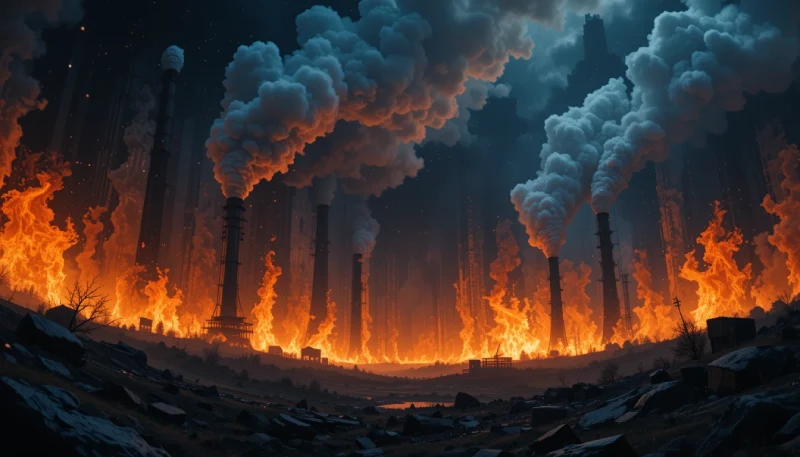
One of the most significant impacts of deforestation on global climate is the release of stored carbon. Trees act as carbon sinks, absorbing CO2 from the atmosphere. When forests are cut down or burned, this carbon is released, contributing to the greenhouse effect. This not only worsens global warming but accelerates climate change, leading to more extreme weather events.
- Deforestation and Carbon Storage: Trees store carbon that would otherwise contribute to warming the planet. With fewer trees, there’s less capacity to absorb CO2.
- Burning of Trees: In many cases, forests are burned to clear land for agriculture, which releases large amounts of CO2 in a short period.
As carbon levels in the atmosphere rise, global temperatures follow suit, resulting in higher average temperatures worldwide, melting ice caps, and rising sea levels.
Read More : 10 Facts About Global Warming to Know
2. Disruption of the Water Cycle
Forests play an essential role in maintaining the water cycle, particularly through the process of transpiration, where trees release water vapor into the atmosphere. The loss of forests disrupts this process, leading to reduced rainfall, drier soils, and more severe droughts.
- Reduced Rainfall: Without trees to release moisture, many areas experience a decline in rainfall, contributing to droughts and water scarcity.
- Soil Degradation: Deforestation often leads to a loss of soil fertility, making it harder for crops to grow, which compounds the issue.
As rainfall patterns become more unpredictable, regions that depend on consistent rainfall for agriculture and water supply face increasing challenges.
3. Rising Land Surface Temperatures
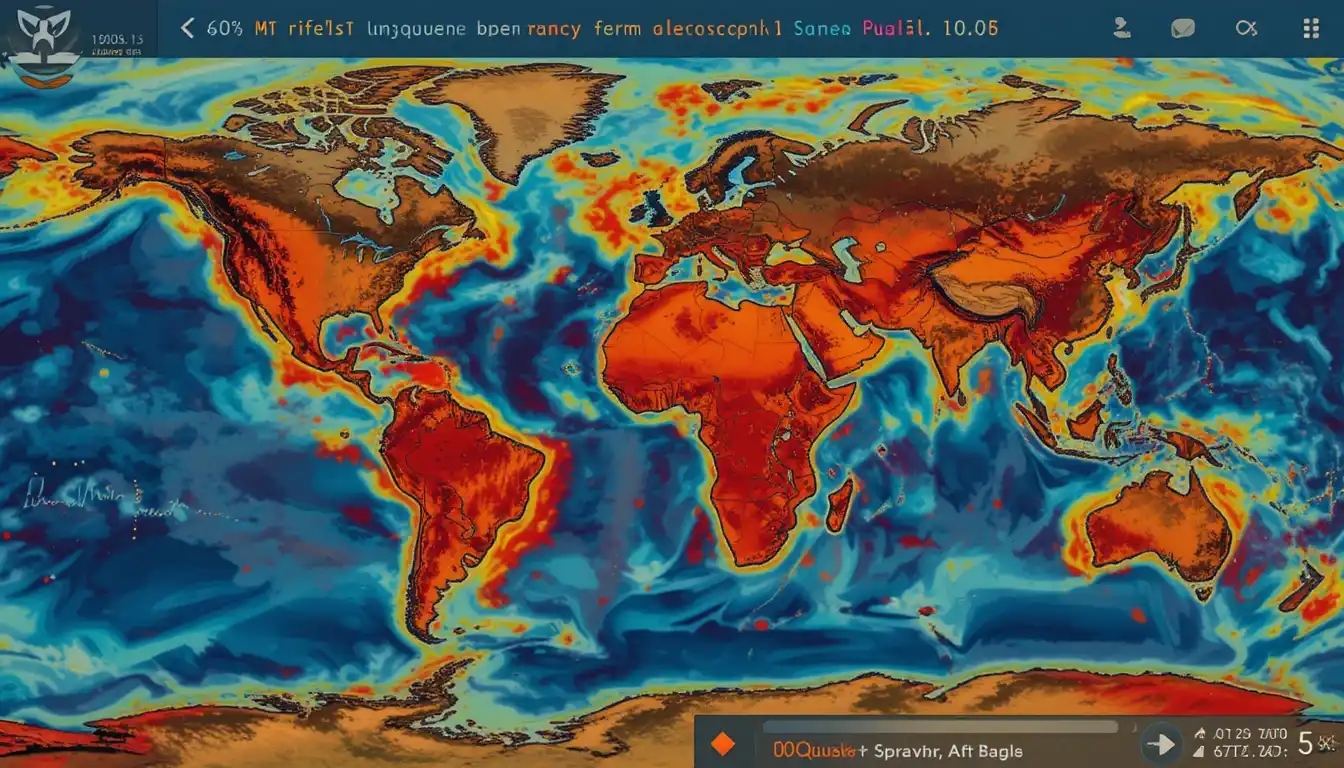
The impact of deforestation on global climate also includes the increase in land surface temperatures. Trees provide shade, helping to cool the surrounding environment. Without forests, areas become hotter, and the absence of vegetation contributes to a rise in local and global temperatures.
- Heat Island Effect: Deforestation can create urban heat islands, where the absence of trees causes temperatures in cities to rise dramatically.
- Impact on Local Climate: In tropical regions, deforestation contributes to significantly higher temperatures, which exacerbates the effects of global warming.
This phenomenon not only increases energy demand but also creates more stress on ecosystems that rely on stable environmental conditions.
4. Loss of Biodiversity & Ecological Imbalance
Another major consequence of deforestation is the loss of biodiversity. Forests are home to over 80% of terrestrial species, and when these forests are destroyed, so are the habitats of countless plants and animals.
- Species Extinction: The impact of deforestation on global climate goes beyond trees; it leads to the extinction of species that rely on forests for food, shelter, and protection.
- Ecosystem Collapse: The destruction of forests disrupts entire ecosystems, causing imbalances that affect local wildlife and even humans who rely on forest resources.
As biodiversity declines, the resilience of ecosystems to environmental changes weakens, leading to a decrease in the planet’s overall health.
5. Melting Ice Caps & Rising Sea Levels
The impact of deforestation on global climate contributes to the melting of polar ice caps and rising sea levels. As global temperatures increase due to deforestation’s carbon emissions, ice sheets in polar regions begin to melt, causing the oceans to rise.
- Rising Sea Levels: Melting glaciers and ice sheets contribute to higher sea levels, threatening coastal cities and low-lying islands with flooding.
- Ocean Acidification: The increased CO2 in the atmosphere also dissolves into oceans, causing them to become more acidic, which harms marine life.
The rising sea levels not only affect coastal ecosystems but also threaten human populations living in vulnerable regions.
6. Changes in Weather Patterns & Natural Disasters
Deforestation also impacts the weather patterns across the globe. Trees play a significant role in regulating temperature and precipitation. Without them, we see more erratic weather, including:
- Severe Storms: Deforestation increases the intensity of storms, including hurricanes and cyclones.
- Flooding: Without trees to absorb rainwater, there is a greater risk of floods, especially in areas prone to heavy rainfall.
The altered weather patterns caused by deforestation make it harder to predict and prepare for natural disasters, causing significant human and economic losses.
7. Reduced Oxygen Production
Oxygen is a byproduct of photosynthesis, a process in which trees convert carbon dioxide into oxygen. The destruction of forests directly reduces the amount of oxygen released into the atmosphere, contributing to a reduction in air quality.
- Fewer Trees, Less Oxygen: With fewer trees, the global oxygen supply diminishes, which can have long-term effects on human health.
- Breathing Crisis: Though the Earth’s oxygen levels won’t plummet overnight, continued deforestation could contribute to a gradual decline in air quality.
This might not seem like an immediate crisis, but over time, the lack of oxygen in the atmosphere could lead to more severe health issues for humans and animals alike.
8. Soil Erosion & Land Degradation
Finally, deforestation leads to soil erosion and land degradation. Trees act as natural barriers, preventing soil from being washed away by rain or blown away by wind. Without these protective plants, the soil becomes more vulnerable to erosion.
- Loss of Fertile Soil: When forests are removed, the rich topsoil is often washed away, making it difficult for agriculture to thrive.
- Desertification: In some cases, deforestation leads to desertification, where fertile land turns into arid, uninhabitable terrain.
This process can make it impossible for communities to grow food and sustain their livelihoods.
Conclusion
The impact of deforestation on global climate is undeniable and far-reaching. From increased carbon emissions to the loss of biodiversity, the destruction of forests accelerates climate change, disrupts ecosystems, and threatens the survival of species—including humans. The urgent need for reforestation and sustainable land-use practices has never been more evident.
As individuals, businesses, and governments work together to mitigate the effects of deforestation, organizations like Earth Guardians Online are leading the charge in raising awareness and offering solutions. Visit earthguardiansonline.com for more information on how you can get involved in protecting our planet’s future.
Frequently Asked Questions (FAQs)
1. What is the impact of deforestation on global climate?
The impact of deforestation on global climate includes increased carbon emissions, disruption of the water cycle, and rising global temperatures, among other severe consequences.
2. How does deforestation lead to global warming?
Deforestation releases stored carbon from trees into the atmosphere, which contributes to the greenhouse effect, thus accelerating global warming.
3. Can deforestation cause extreme weather events?
Yes, the impact of deforestation on global climate includes more intense storms, flooding, and changes in weather patterns due to the lack of trees regulating temperature and moisture.
