
Mindfulness in Natural Environments: Discover the Healing Power of Outdoor
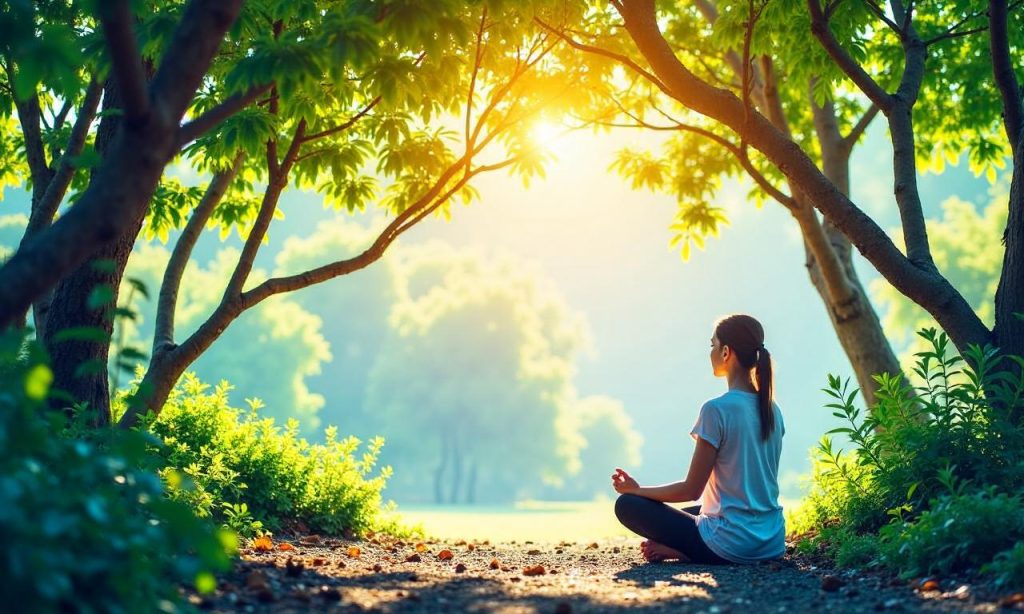
Mindfulness in Natural Environments: Discover the Healing Power of Outdoor Mindfulness in natural environments has become a popular topic in the wellness and mental health communities, offering a unique blend of therapeutic benefits and connection to the earth. As people seek ways to reduce stress and improve well-being, the practice of mindfulness has evolved beyond traditional settings like meditation rooms and yoga studios. Today, mindfulness in natural environments is gaining recognition for its ability to enhance focus, calm the mind, and restore emotional balance through the simple act of being present in nature. Whether it’s a quiet forest walk, a peaceful beach session, or a mindful garden visit, the natural world provides a powerful backdrop for cultivating awareness and inner peace. This article explores the advantages of mindfulness in natural environments, the science behind its effectiveness, and practical ways to integrate it into daily life for long-term mental and physical health benefits.
The Benefits of Mindfulness in Natural Environments
Practicing mindfulness in natural environments offers a range of benefits that extend beyond those of mindfulness in a clinical or indoor setting. One of the most significant advantages is its ability to reduce stress and anxiety by immersing individuals in calming natural surroundings. Studies show that spending time in nature lowers cortisol levels, the hormone associated with stress, which can lead to improved mood and mental clarity. Additionally, natural environments often stimulate the senses in ways that help anchor the mind to the present moment, making it easier to let go of distractions. This sensory engagement also enhances emotional resilience, allowing people to process feelings more effectively and develop a deeper sense of self-awareness.
Beyond mental health, mindfulness in natural environments can also promote physical well-being. The fresh air, sunlight, and physical activity involved in outdoor practices contribute to better circulation, stronger immune function, and overall vitality. Moreover, the combination of mindfulness and natural elements like trees, water, and open spaces can foster a sense of grounding and connection to the earth, which is essential for emotional and psychological healing. This synergy between nature and mindfulness not only improves focus but also encourages a holistic approach to well-being, addressing both mind and body in a single practice.
The Science Behind Mindfulness in Natural Environments
Research has shown that mindfulness in natural environments activates specific areas of the brain associated with relaxation and emotional regulation. When individuals practice mindfulness in natural settings, they are more likely to experience a decrease in activity in the prefrontal cortex, which is linked to rumination and worry, while seeing increased activity in the parietal lobe, responsible for spatial awareness and grounding. This neurological shift helps people feel more connected to their surroundings and less overwhelmed by internal stressors.
Another key factor is the role of nature in reducing cognitive fatigue. The natural environment provides a break from the constant stimulation of urban life, allowing the brain to rest and recharge. This concept, known as the “attention restoration theory,” suggests that nature’s gentle and engaging features can help restore mental energy and improve focus. Additionally, exposure to natural light and green spaces has been linked to the production of serotonin, a neurotransmitter that regulates mood and contributes to feelings of happiness and well-being. These scientific insights highlight how mindfulness in natural environments isn’t just a passive activity but a powerful tool for cognitive and emotional renewal.
How to Practice Mindfulness in Natural Environments
Incorporating mindfulness in natural environments into your routine doesn’t require complex tools or extensive preparation. A simple approach is to engage your senses and observe the natural world without judgment. For example, sit quietly in a park and listen to the sounds of birds, the rustle of leaves, or the gentle flow of water. Pay attention to the textures of the ground underfoot, the scent of pine trees, or the feel of a breeze. This sensory awareness helps anchor your mind to the present and fosters a deeper connection with the environment.
You can also use structured mindfulness techniques like mindful walking or breathing exercises while outdoors. Mindful walking involves paying attention to each step, the movement of your body, and the sensations in your feet as they touch the ground. This practice not only promotes relaxation but also improves posture and balance. Similarly, focusing on your breath while sitting by a lake or tree can help regulate your heartbeat and calm your nervous system. These activities, though simple, are effective in transforming everyday interactions with nature into meaningful mindfulness practices that enhance overall well-being.
The Role of Nature in Enhancing Mindfulness Practices
Nature serves as a natural catalyst for mindfulness, offering a tranquil atmosphere that complements the practice. Unlike indoor spaces, which can feel confined or cluttered, natural environments provide vast, open spaces that encourage a sense of freedom and expansiveness. This openness can help reduce feelings of anxiety and create a more receptive mindset for mindfulness. The presence of natural elements like trees, water, and sunlight also provides visual and auditory stimuli that can guide your attention away from intrusive thoughts and toward the present moment.
Moreover, nature’s irregular patterns and subtle changes create a dynamic setting for mindfulness. For instance, watching the way sunlight filters through a forest canopy or listening to the rhythm of waves can help practitioners stay focused without forcing their attention. This organic engagement with the environment allows for a more intuitive form of mindfulness, where the mind naturally follows the flow of nature rather than resisting it. Such practices can deepen the sense of presence and make mindfulness feel more accessible and enjoyable, especially for those new to the concept.
Practical Tips for Integrating Mindfulness into Outdoor Routines
To fully experience the benefits of mindfulness in natural environments, it’s important to create a routine that allows you to engage with nature consistently. Start by setting aside a specific time each day for outdoor mindfulness, such as early morning or during a lunch break. Choose a location that feels peaceful and undisturbed, like a quiet trail, a garden, or a scenic overlook. This consistency helps build a habit, making it easier to reap the long-term benefits of the practice.
Incorporate simple rituals to enhance your outdoor mindfulness experience. For example, bring a journal or notebook to record your observations, or use a small object like a stone to focus on as you breathe. These tools can help you stay grounded and engaged with the present moment. Additionally, try to minimize distractions by turning off your phone or leaving behind work-related thoughts. By doing so, you create a space for reflection and relaxation, allowing the natural environment to support your mental well-being in a meaningful way.
The Lasting Impact of Mindfulness in Natural Environments
Regular engagement with mindfulness in natural environments can lead to lasting improvements in mental and physical health. Over time, the practice helps individuals develop a greater appreciation for the present moment and a deeper connection to the world around them. This sense of belonging and peace can translate into better decision-making, increased resilience, and a more positive outlook on life. By combining mindfulness with the restorative power of nature, people can cultivate a sustainable habit that supports their well-being on an ongoing basis.
The environmental aspect of mindfulness in natural environments also plays a role in fostering creativity and problem-solving skills. Exposure to natural settings has been shown to stimulate the brain’s default mode network, which is associated with imaginative thinking and insight. This makes mindfulness in natural environments not only a tool for relaxation but also a source of inspiration and clarity. Whether you’re seeking to reduce stress or boost productivity, the practice of mindfulness in natural environments offers a versatile and accessible solution for modern challenges.
FAQ Q: What are the key benefits of mindfulness in natural environments? A: Mindfulness in natural environments reduces stress, enhances emotional resilience, and promotes mental clarity, while also supporting physical health through exposure to sunlight and fresh air.
Q: How can I start practicing mindfulness in natural environments? A: Begin by choosing a natural setting, such as a park or beach, and spend time observing your surroundings without judgment. Focus on your breath and engage your senses to deepen the practice.
Q: Is mindfulness in natural environments suitable for everyone? A: Yes, mindfulness in natural environments is accessible to people of all ages and fitness levels. It can be adapted to individual needs and preferences, making it a versatile practice.
Q: What are some effective techniques for mindfulness in natural environments? A: Techniques include mindful walking, listening to nature sounds, and focusing on the breath while seated in a peaceful outdoor space. These methods help anchor the mind to the present moment.
Q: Can mindfulness in natural environments improve focus and productivity? A: Yes, by reducing cognitive fatigue and stimulating the brain’s default mode network, mindfulness in natural environments can enhance creativity and problem-solving, leading to better focus and productivity.
