
Natural Disaster Preparedness: Building a Reliable Emergency Kit
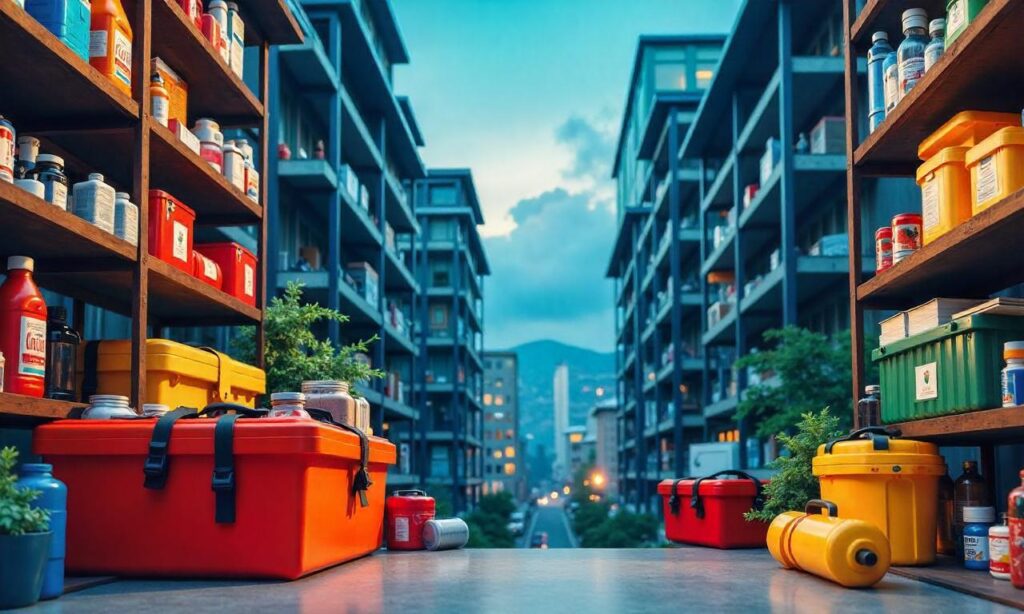
Natural disasters can strike without warning, causing chaos, damage, and even loss of life. Whether it’s an earthquake, hurricane, or wildfire, being prepared is the best way to mitigate risks and ensure safety. Natural disaster preparedness isn’t just about survival; it’s about minimizing stress, protecting property, and enabling a swift recovery. In this article, we’ll explore how to build a reliable emergency kit that can help you and your family stay safe during unexpected emergencies.
Understanding the Importance of Natural Disaster Preparedness
Natural disasters are unpredictable events that can disrupt daily life and threaten communities. According to the National Oceanic and Atmospheric Administration (NOAA), the United States experiences an average of 1,500 natural disasters annually, with natural disaster preparedness being a critical factor in reducing their impact.
The first step in natural disaster preparedness is to understand the types of disasters that are most likely to occur in your area. For instance, coastal regions face hurricanes and tsunamis, while earthquake-prone zones require a focus on seismic safety. Each disaster has unique characteristics, and knowing these can help you tailor your emergency kit accordingly.
Being prepared also means having a plan in place. This includes identifying safe meeting points, knowing evacuation routes, and practicing emergency drills. While natural disaster preparedness may seem overwhelming, it’s a manageable process that can save lives and prevent panic during crises.
Assessing Your Risks and Local Hazards
Before creating an emergency kit, assess your local risks by researching historical disaster data and consulting local authorities. For example, if you live in a region prone to wildfires, prioritize items like fire extinguishers and masks. Similarly, areas with frequent flooding should include sandbags and water containers in their kits.
The Role of Community in Disaster Response
Natural disaster preparedness isn’t just an individual responsibility—it’s a community effort. By preparing yourself, you contribute to the overall resilience of your neighborhood. Sharing resources, such as a reliable emergency kit, can help those who may not have the means to prepare on their own.
Essential Components of an Emergency Kit
An effective emergency kit should contain essential supplies that cater to your basic needs during the first 72 hours of a disaster. This period is critical, as it often precedes the arrival of aid and services.
Water and Food
One of the most crucial components is water. The American Red Cross recommends storing at least one gallon of water per person per day for at least three days. This includes water for drinking, cooking, and hygiene. For food, non-perishable items like canned goods, energy bars, and dried fruits are ideal.
First Aid and Medications
First aid supplies are indispensable for treating injuries. Include items such as adhesive bandages, antiseptics, pain relievers, and a list of medications for chronic conditions. It’s also wise to add a first aid manual or a guidebook to ensure proper treatment during emergencies.
Lighting and Communication Tools
In the event of power outages, lighting tools like flashlights, portable lanterns, and batteries are essential. Additionally, a reliable communication device such as a battery-powered radio or a smartphone with a charger can help you stay informed about the situation.
Clothing and Personal Hygiene Items
Pack weather-appropriate clothing and blankets to stay warm during cold disasters or protect against heat. Include personal hygiene products like toothbrushes, soap, and feminine hygiene supplies. For extended stays, add extra socks, underwear, and a change of clothes.
Creating Your Emergency Kit Step by Step
Building an emergency kit requires organization and planning. Start by listing the items you need based on the natural disaster preparedness checklist. Then, categorize them into groups like food, water, medical supplies, and tools.

Prioritizing Needs Based on Disaster Type
Natural disaster preparedness should be customized to your specific risks. For example, if you’re preparing for a hurricane, include items like a waterproof container for documents, a storm shelter plan, and a whistle for signaling. In contrast, for wildfires, prioritize face masks, goggles, and a fire extinguisher.
Organizing Supplies for Easy Access
Organize your emergency kit in a way that allows for quick access during emergencies. Use labeled containers or separate compartments to store items by category. For instance, keep water and snacks in a waterproof bag, and place medical supplies in a dedicated first aid box.
Including Specialized Items for Vulnerable Groups
Don’t forget to include items that cater to vulnerable individuals in your household, such as children, elderly members, or pets. For example, natural disaster preparedness for families with infants should include formula, diapers, and baby bottles. Similarly, pets may need a leash, a carrier, and extra food and water.
Testing and Updating Your Kit Regularly
Testing your emergency kit is just as important as building it. Conduct periodic checks to ensure that batteries are charged, food hasn’t expired, and tools are in working condition. Natural disaster preparedness is an ongoing process, and updating your kit with new items or replacing old ones will keep it effective for any situation.
Maintaining and Updating Your Emergency Kit
A reliable emergency kit requires regular maintenance to remain functional during disasters. Over time, items can expire, get damaged, or become outdated.
Regular Checks and Replacements
Schedule monthly checks for your emergency kit to ensure all supplies are in good condition. Replace expired food and water every six months, and recharge batteries or batteries in your flashlight and radio. Check for any leaks in containers or damage to tools to maintain natural disaster preparedness.
Adapting to Changing Needs
As your family’s needs evolve, so should your emergency kit. For example, if you recently started a new medication, add it to your medical supplies section. If you’ve moved to a different area, adjust your kit based on the local hazards. This adaptability ensures your natural disaster preparedness remains up-to-date.
Including Tools for Specific Scenarios
Natural disaster preparedness also involves including scenario-specific tools. For instance, during floods, include a small pump or sandbags to manage water. For earthquakes, add a fire extinguisher and a flashlight with extra batteries. These tools can make a significant difference in your ability to respond quickly.
Documenting Your Kit for Quick Reference
Create a reliable reference guide for your emergency kit. This could be a checklist or a digital document that outlines the contents and their purpose. Documenting your kit helps you maintain preparedness and ensures that everyone in your household knows what to do in case of an emergency.
Conclusion
In conclusion, natural disaster preparedness is a vital practice that can save lives and reduce the impact of emergencies. By building a reliable emergency kit and keeping it well-maintained, you’re taking proactive steps to protect yourself and your loved ones. Remember to assess your risks, prioritize essential supplies, and regularly update your kit to ensure it’s always ready for any situation.
Natural disaster preparedness is not just about having the right items—it’s about being informed, organized, and ready. With the right emergency kit, you can face any disaster with confidence and resilience. Stay prepared, stay safe, and always be ready for the unexpected.
