
Nature vs Urban Environment: Key Differences Explored
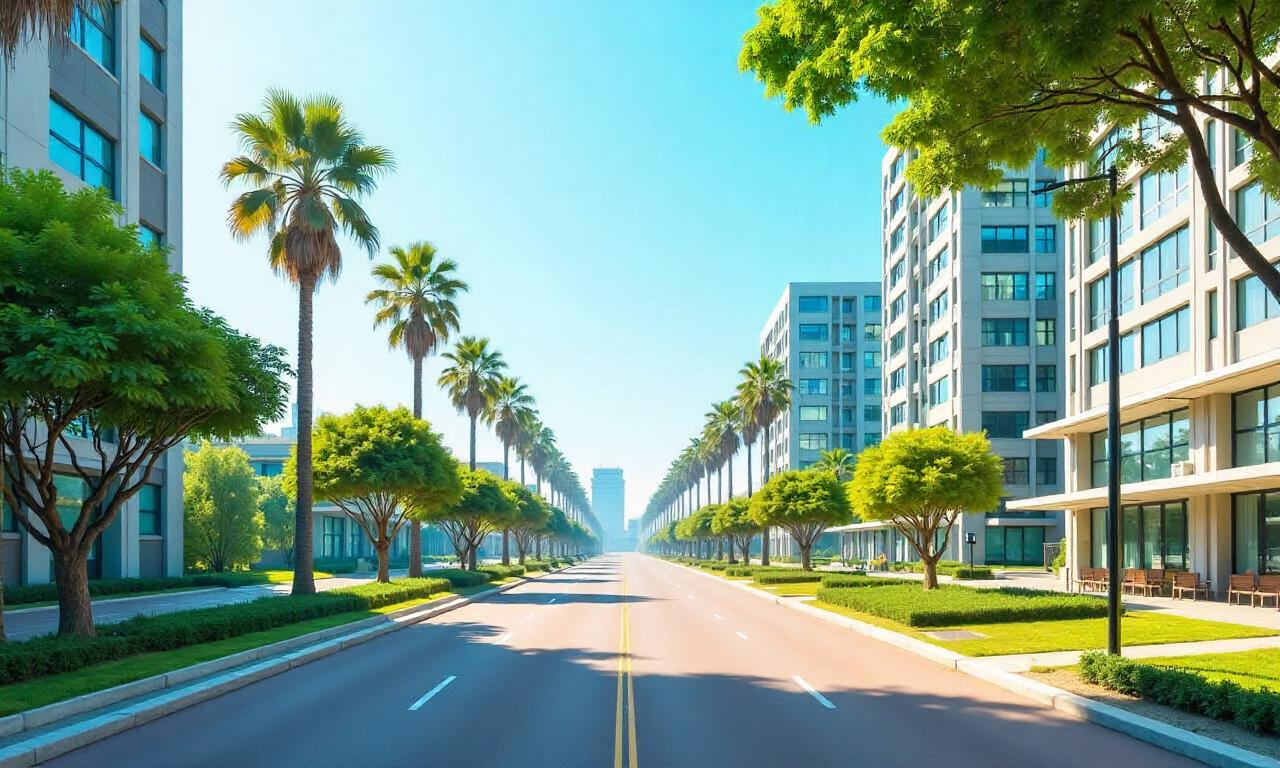
In an era where urbanization continues to accelerate, the contrast between nature vs urban environment has become a critical topic for discussion. As cities expand and natural habitats shrink, the relationship between human settlements and the natural world is evolving. Understanding the key differences between nature vs urban environment is essential for addressing environmental challenges, shaping sustainable development, and improving the quality of life for people living in both settings. This article delves into the characteristics, impacts, and contrasts of nature vs urban environment, offering insights into how each environment influences human behavior, ecosystems, and future planning.
Section 1: Defining Nature Environment and Urban Environment
To begin the analysis of nature vs urban environment, it is important to clearly define both environments. A nature environment refers to areas that are primarily untouched by human activity, such as forests, oceans, mountains, and deserts. These spaces are characterized by their natural ecosystems, biodiversity, and the presence of wildlife. In contrast, an urban environment encompasses cities, towns, and other densely populated areas where human infrastructure dominates. Urban environments are defined by their built structures, roads, buildings, and the high concentration of people and activities.
While nature vs urban environment might seem like opposites, they are not entirely distinct. For instance, urban environments can incorporate elements of nature, such as parks, gardens, or green roofs, which serve as ecological buffers. However, these spaces are still shaped by human intervention. The key differences lie in the level of human impact, the types of resources available, and the ways in which each environment supports life.
Subsection 1.1: Biodiversity and Ecosystems
Biodiversity is a defining feature of nature vs urban environment. Natural ecosystems are home to a wide variety of species, from microscopic organisms to large mammals, creating a self-sustaining balance of life. In contrast, urban ecosystems are often fragmented, with limited space for flora and fauna to thrive. Nature vs urban environment highlights how natural areas support complex food chains and habitats, while cities tend to prioritize human needs over ecological diversity. For example, a rainforest hosts thousands of plant and animal species, many of which are not found anywhere else on Earth. In contrast, an urban area might have a limited number of species, often including domesticated animals like dogs, cats, and birds, as well as a few native plants. The interaction between nature vs urban environment is a constant process of adaptation and transformation.
Subsection 1.2: Physical and Environmental Features
The physical characteristics of nature vs urban environment also differ significantly. Natural environments are typically dynamic, with elements like rivers, mountains, and forests shaping the landscape over time. These areas often have varying climates and natural resources such as water, soil, and sunlight. On the other hand, urban environments are static, with infrastructure designed to withstand environmental challenges and meet human demands.
Urbanization leads to the modification of natural landscapes, often through concrete structures and artificial materials. While this allows for efficient resource allocation, it also reduces the availability of natural resources. The contrast between nature vs urban environment is evident in the way each setting handles waste management, air quality, and temperature regulation.
Section 2: Impact on Human Life and Well-Being
The impact of nature vs urban environment on human life is profound. While both environments support human existence, they do so in fundamentally different ways. Nature vs urban environment influences mental and physical health, social interactions, and daily routines.
Subsection 2.1: Health and Mental Well-Being
Living in a nature environment has been linked to improved mental and physical health. Studies show that green spaces and natural surroundings reduce stress, enhance mood, and promote physical activity. In contrast, urban environments often expose residents to pollution, noise, and limited access to nature, which can contribute to chronic stress and health issues.
For instance, cities with high levels of air pollution are associated with increased respiratory problems, while areas with abundant nature vs urban environment features, such as parks or forests, encourage outdoor activities and reduce the risk of obesity. The differences between nature vs urban environment also extend to sleep quality and cognitive function, as natural environments have been shown to improve focus and emotional resilience.
Subsection 2.2: Social and Cultural Dynamics
The social and cultural aspects of nature vs urban environment further highlight their distinctions. Urban areas are often centers of culture, education, and commerce, fostering a fast-paced lifestyle and diverse social interactions. In contrast, nature environments may encourage more community-based interactions and traditional practices.
In cities, people live in close proximity, leading to urbanization trends such as multiculturalism and innovation. However, this can also result in social isolation due to the fast pace of life. Conversely, nature vs urban environment in rural or wilderness areas promotes cooperation, sustainability, and a stronger connection to the land. The contrast between nature vs urban environment is not just physical but also psychological, shaping how individuals perceive and interact with their surroundings.
Section 3: Sustainability and Environmental Challenges
Sustainability is a crucial factor when comparing nature vs urban environment. While natural ecosystems are resilient and self-regulating, urban environments face unique challenges in maintaining ecological balance.
Subsection 3.1: Resource Consumption and Waste Management
Nature vs urban environment also reflects differences in resource consumption. Natural environments rely on renewable resources such as sunlight, water, and wind, while urban areas depend heavily on non-renewable resources like fossil fuels and electricity. This resource dependency leads to environmental degradation in cities, where pollution and overconsumption are common. Urbanization increases the demand for energy, water, and land, often at the expense of natural habitats. In contrast, nature environments tend to be more self-sufficient, with natural cycles that recycle waste and maintain ecological balance. The contrast between nature vs urban environment is particularly evident in waste management, where cities generate large amounts of plastic waste and industrial byproducts, whereas natural environments decompose waste through biological processes.
Subsection 3.2: Climate Change and Environmental Resilience

Both nature vs urban environment play a role in climate change, but in different capacities. Natural environments act as carbon sinks, absorbing greenhouse gases and regulating global temperatures. Urban areas, however, are major contributors to climate change due to their reliance on transportation, industrial activity, and energy production.
The urban environment is often more vulnerable to the effects of climate change, such as heatwaves, flooding, and air quality decline. In contrast, nature environments have greater resilience, with natural barriers like forests that protect against erosion and natural disasters. The key differences between nature vs urban environment in terms of carbon footprint and climate adaptability are critical for developing sustainable strategies.
Section 4: Technological Influence and Human Adaptation
Technology plays a pivotal role in shaping nature vs urban environment, particularly in how humans adapt to and modify their surroundings. While natural environments are shaped by natural processes, urban environments are increasingly influenced by human innovation.
Subsection 4.1: Infrastructure and Design
Urban environments are defined by their infrastructure, which includes buildings, roads, and utilities. This infrastructure is designed to meet the demands of urbanization, such as population growth and economic development. In contrast, nature environments are shaped by natural forces, with ecosystems evolving over thousands of years without human intervention. The contrast between nature vs urban environment is also seen in design principles. Cities prioritize efficiency, convenience, and connectivity, often at the expense of natural beauty. Nature environments, on the other hand, emphasize harmony with nature, allowing for spontaneous growth and natural aesthetics.
Subsection 4.2: Technological Advancements and Environmental Solutions
As technology advances, it has become possible to mitigate the impact of urban environments on the natural world. Innovations such as green architecture, renewable energy, and smart cities aim to bridge the gap between nature vs urban environment. These solutions help reduce pollution, conserve resources, and create sustainable living spaces.
For example, smart city technologies can optimize traffic flow, energy use, and waste management, reducing the environmental footprint of urban areas. Meanwhile, nature environments continue to provide ecological services like clean air and water purification, which are essential for human survival. The differences between nature vs urban environment in terms of technology integration and environmental sustainability are key to addressing the challenges of modern living.
Section 5: Future Implications and the Need for Balance
The future implications of the nature vs urban environment debate are far-reaching. As the world continues to urbanize, there is a growing need to balance urban development with the preservation of natural environments. This balance is crucial for ensuring that human progress does not come at the cost of ecological health.
Subsection 5.1: Urban Planning and Green Spaces
Urban planning is an area where nature vs urban environment can be integrated. Cities can incorporate green spaces, vertical gardens, and urban forests to enhance biodiversity and improve air quality. These initiatives not only support nature but also benefit urban residents by providing relaxation areas and health benefits. The concept of nature vs urban environment is being redefined through sustainable urban design, which seeks to minimize environmental impact while maximizing livability. For instance, eco-friendly buildings and public transportation systems reduce the carbon footprint of cities, making them more resilient to climate change.
Subsection 5.2: The Role of Education and Awareness
Education and awareness are vital in shaping the relationship between nature vs urban environment. By teaching people about ecological conservation, renewable energy, and sustainable practices, cities can reduce their environmental impact and encourage a harmonious coexistence with nature. For example, school curriculums that emphasize environmental science can inspire future generations to protect natural resources and support green initiatives. Additionally, public campaigns in urban areas can highlight the benefits of nature and promote eco-friendly behaviors. The key differences between nature vs urban environment in terms of education and cultural values will determine how sustainable development is achieved in the future.
Section 6: Comparative Analysis and Real-World Examples
To better understand the differences between nature vs urban environment, it is helpful to examine real-world examples and comparative analysis. This section explores how these environments interact with human activities and ecological systems in different ways.
Subsection 6.1: Case Study: Natural Parks vs City Centers
Natural parks and city centers offer a clear contrast between nature vs urban environment. While natural parks provide wildlife habitats, clean air, and natural beauty, city centers are centers of commerce and cultural activity. However, some urban environments have incorporated natural parks into their design, such as Central Park in New York or Hyde Park in London. These parks serve as a bridge between nature vs urban environment, allowing city dwellers to access nature while benefiting from urban convenience. They also play a crucial role in urban sustainability, offering recreational spaces and ecological services. The integration of nature into urban environments is a growing trend that reflects modern approaches to environmental conservation.
Subsection 6.2: Global Perspectives and Urbanization Trends
Global urbanization trends further illustrate the differences between nature vs urban environment. According to the United Nations, over half of the world’s population now lives in urban areas, a figure that is expected to rise to 70% by 2050. This expansion of urban environments has led to increased pressure on natural resources, highlighting the need for sustainable practices. In contrast, remote nature environments remain relatively untouched, with minimal human impact. However, climate change, deforestation, and pollution are threatening these areas, making it essential to protect them. The contrast between nature vs urban environment is not just a matter of space, but also of ecological responsibility and long-term planning.
Conclusion
In conclusion, the comparison between nature vs urban environment reveals both opportunities and challenges for human societies. While urban environments offer convenience, economic growth, and technological advancements, nature environments provide ecological stability, biodiversity, and mental well-being. Understanding the key differences between these two environments is crucial for creating sustainable solutions that balance human needs with ecological preservation.
By integrating green spaces, promoting eco-friendly technologies, and raising awareness, cities can reduce their environmental impact and enhance the quality of life for their residents. The contrast between nature vs urban environment is not a division, but a call to action for innovative and responsible development. As we continue to shape our world, it is essential to recognize the value of nature and embrace strategies that support both environments. The future of human civilization depends on our ability to harmonize urbanization with natural ecosystems.
