
Safe Storm Chasing Photo Tips: Capture Thrills Without Risk
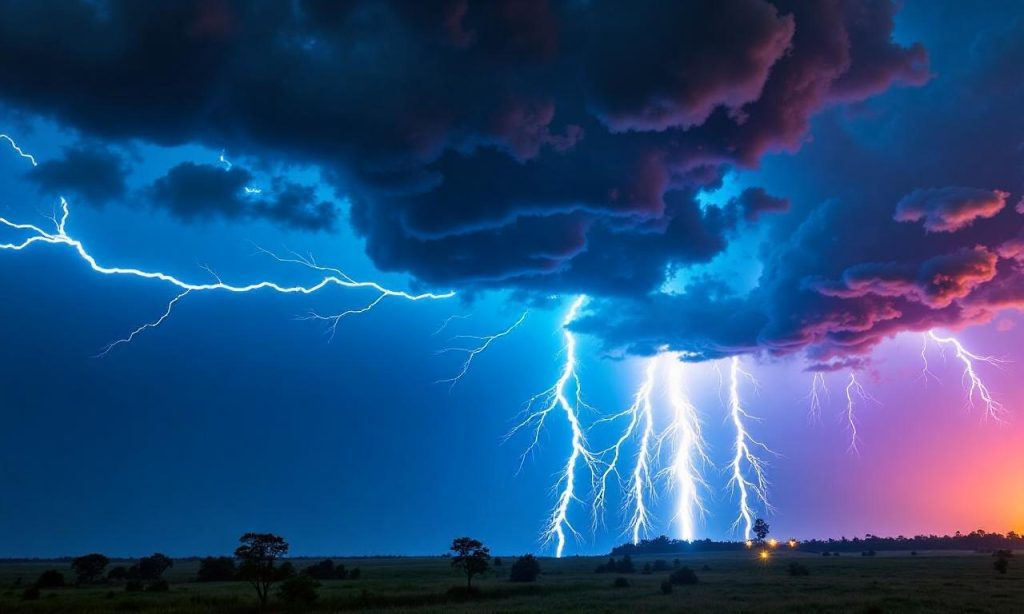
Safe Storm Chasing Photo Tips: Capture Thrills Without Risk
Storm chasing is an adrenaline-fueled activity that combines the thrill of nature’s power with the art of photography. Whether you’re chasing tornadoes or capturing dramatic thunderstorms, the goal is to document the moment while staying safe. To achieve this balance, storm chasing photo safety tips are essential. These guidelines help you protect your equipment, avoid danger, and still get stunning shots. By prioritizing safety, you ensure that your passion for storm chasing doesn’t turn into a perilous experience.
Essential Storm Chasing Photo Safety Tips
Before heading out, familiarize yourself with storm chasing photo safety tips to minimize risks. Begin by researching the weather forecast and tracking the storm’s path using reliable tools like radar maps and real-time updates. Knowing the storm’s behavior, such as its speed and direction, allows you to anticipate changes and position yourself safely. Additionally, check for road conditions and weather alerts in your area to avoid unexpected obstacles like flooded highways or sudden lightning strikes.
Preparing Your Gear for the Elements
Invest in durable, weatherproof equipment to withstand the harsh conditions of a storm. A waterproof camera case or rain cover is a must, as moisture can damage sensitive electronics. Tripods and monopods should be rated for outdoor use, and securing your gear with straps or lanyards prevents it from being lost in high winds. Don’t forget to bring extra batteries and memory cards, as cold temperatures and humidity can affect performance. Proper preparation ensures your storm chasing photo safety tips are not just theoretical but actionable.
Staying Alert and Safe While Capturing Storms
Stay focused on your surroundings while capturing photos. Keep your eyes on the sky for sudden changes in cloud formations or signs of an approaching funnel cloud. Use binoculars or a spotting scope to monitor the storm’s movement from a safe distance, and never assume the weather will remain stable. If you notice a warning signal—like a tornado forming or lightning flashing nearby—move quickly to shelter. Remaining alert enhances your ability to follow storm chasing photo safety tips and react in real time.
Positioning for the Best Shots Without Compromising Safety
Choose your shooting location wisely to maximize both photo quality and safety. Position yourself where you can capture the storm’s intensity while staying out of the path of debris or strong gusts. A low angle can emphasize the drama of a thunderstorm, but avoid standing too close to the ground where flooding or mudslides might occur. Use a remote shutter or timer to minimize movement when the storm is close, reducing the chance of tripping or losing balance. Proper positioning ensures you get the shot without sacrificing safety.
Using Technology to Enhance Safety and Photo Quality
Leverage technology to stay informed and capture better images. Weather apps like Weather.com or StormCloud can provide live updates on storm intensity, wind speeds, and hail forecasts. GPS devices or smartphones with location tracking help you navigate safely and avoid getting lost in remote areas. Consider using a drone for aerial shots, but keep it within line of sight and avoid flying near the storm’s core. Pairing these tools with your storm chasing photo safety tips creates a safer and more efficient workflow.
Post-Chase Maintenance and Safety
After the storm passes, take time to inspect your gear for damage and clean it thoroughly. Moisture, dust, or debris can linger and affect future performances. Store your equipment in a dry, secure place to prevent mold or corrosion. Reflect on your experience to identify areas for improvement, such as adjusting your positioning or upgrading your gear. Sharing your photos with others can also inspire new storm chasing photo safety tips for the community.
The Importance of Teamwork and Communication
Storm chasing is often a team effort, and communication is key to safety. Assign roles, like one person monitoring the weather and another handling the camera, to keep everyone focused. Use a walkie-talkie or phone to stay in touch if you’re spread out. Inform someone about your route and expected return time so they can alert you if something goes wrong. Teamwork not only improves photo quality but also reduces the risk of accidents.
Adapting to Unpredictable Weather Conditions
Even with the best storm chasing photo safety tips, the weather can be unpredictable. Be prepared for sudden changes, such as a wall cloud developing into a tornado or a downpour turning into a flash flood. If conditions worsen, retreat to a safe location immediately. Keep your camera close at hand in case you need to capture a last-minute moment, but don’t risk your safety for a single shot. Flexibility and quick decision-making are vital in storm chasing.
Final Thoughts on Balancing Thrill and Safety
Storm chasing is as much about the experience as it is about the photographs. By integrating storm chasing photo safety tips into your routine, you can enjoy the thrill of capturing nature’s fury while minimizing risks. Whether you’re a seasoned chaser or a beginner, always prioritize safety to ensure you can return home with both memories and gear intact. Remember, the best photos come from a well-prepared and cautious approach.
FAQ
Q: What gear is essential for storm chasing photography? A: Invest in weatherproof cameras, tripods, and extra batteries to protect your equipment from harsh conditions.
Q: How can I stay safe while taking photos during a storm? A: Keep your eyes on the sky for sudden changes and use a remote shutter to minimize movement during intense weather.
Q: Are there specific safety practices for capturing storm footage? A: Always have an emergency plan, stay in a vehicle when possible, and avoid standing in open fields during tornadoes.
Q: Can I use a smartphone for storm chasing photos? A: Yes, but ensure it’s protected with a waterproof case and use a stable surface to avoid dropping it in strong winds.
Q: What should I do if a storm becomes too dangerous? A: Retreat to shelter immediately and prioritize your safety over taking additional photos.
