
Stargazing in Remote Locations: Top Spots for Clear Night Skies
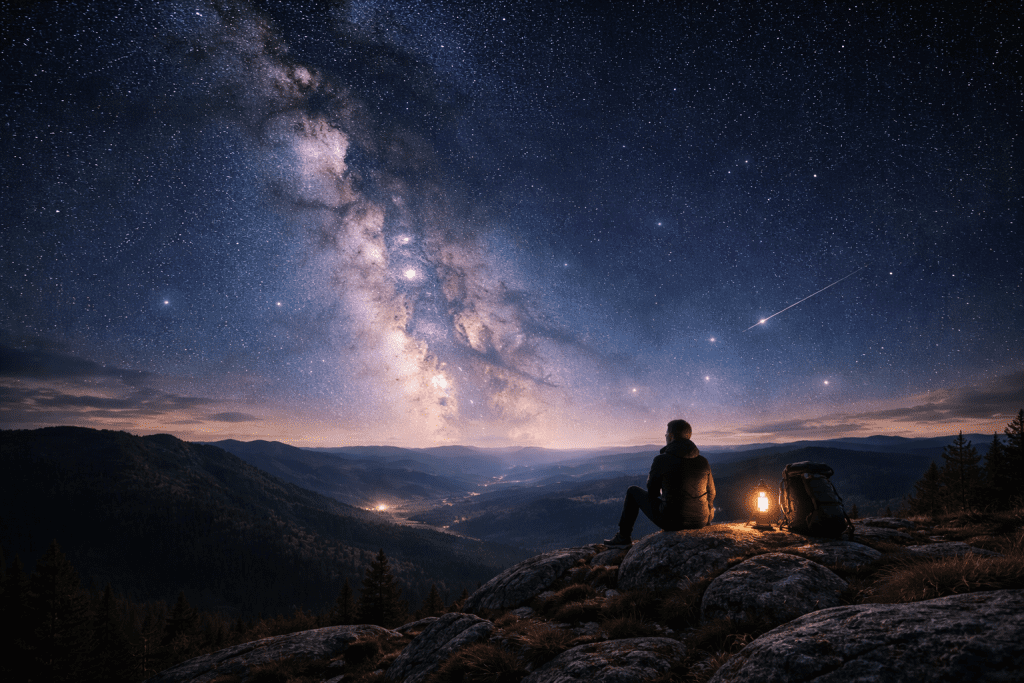
Stargazing in remote locations offers an unparalleled opportunity to connect with the cosmos, far from the glare of urban lights. The tranquility of isolated areas enhances the experience, allowing enthusiasts to witness constellations, meteors, and the Milky Way in vivid detail. For those seeking stargazing in remote locations, choosing the right destination is crucial to maximize visibility and comfort.
Why Remote Locations Matter for Stargazing
Urban areas are plagued by light pollution, which diminishes the visibility of stars and celestial events. Remote locations, often hundreds of miles from city centers, provide darker skies, giving astronomers and casual stargazers alike a clearer view of the universe. Additionally, higher elevations in these areas can reduce atmospheric interference, resulting in sharper and more detailed observations.
Being in a remote area also minimizes distractions, allowing for a more immersive experience. Whether using a telescope or simply observing with the naked eye, the solitude helps viewers appreciate the vastness of space. Furthermore, these areas are often less prone to air pollution, improving clarity and color contrast when observing celestial objects.
Top Stargazing Spots in North America
North America boasts numerous locations renowned for their stargazing in remote locations. Mauna Kea in Hawaii is one of the premier spots, offering clear skies at high altitude. Its summit, often above the cloud line, ensures minimal atmospheric interference, making it ideal for deep-sky observations.
Another remarkable destination is Cherry Springs State Park in Pennsylvania. Recognized as a dark sky park, it offers some of the darkest skies on the East Coast. Visitors can often see the Milky Way and countless stars without obstruction from artificial lighting. For those in the western United States, Big Bend National Park in Texas provides expansive desert skies and minimal light pollution, making it perfect for both casual stargazing and astrophotography.
European Destinations for Crystal-Clear Skies
Europe also offers remarkable locations for stargazing in remote locations. The La Palma Island in Spain is home to the Roque de los Muchachos Observatory. Its volcanic terrain and remote setting provide exceptionally clear skies year-round. Travelers can explore both professional observatories and public viewing areas to enjoy the night sky.
Scotland’s Cairngorms National Park is another prime location. Sparse population and low light pollution contribute to dark skies, while the cold, crisp air enhances visibility. Observers can witness dramatic celestial events, including meteor showers and eclipses, against a backdrop of rugged highland landscapes.
Southern Hemisphere Gems
For those willing to travel farther, the Southern Hemisphere offers extraordinary opportunities for stargazing in remote locations. Aoraki Mackenzie Dark Sky Reserve in New Zealand is one of the world’s most celebrated dark sky reserves. Its high-altitude terrain and isolated valleys ensure minimal light interference, ideal for viewing the Southern Cross and other southern constellations.
In South America, Atacama Desert in Chile stands out as a prime destination. The arid climate, high elevation, and dry air create near-perfect viewing conditions. Professional astronomers frequently use the region for observatories, but amateur stargazers also benefit from the crystal-clear nights. The combination of natural beauty and astronomical clarity makes it a bucket-list location.
Tips for a Successful Stargazing Experience
Preparation is key when planning stargazing in remote locations. First, check weather forecasts to avoid cloudy nights that obscure the sky. Clear, dry nights at higher elevations provide the best results.
Equipment choices also matter. While a high-quality telescope enhances the experience, binoculars and star maps are sufficient for beginners. Dressing warmly is essential, as remote areas can experience significant temperature drops after sunset. Additionally, maintaining patience and quietness improves observation quality, letting your eyes adapt fully to darkness.
Consider timing your visit with special celestial events. Meteor showers, planetary alignments, and lunar eclipses offer unforgettable experiences. Documenting these events through photography or journaling enhances both personal enjoyment and scientific appreciation.
Accessibility and Responsible Stargazing
Even in remote locations, accessibility varies. Some areas require permits or guided tours to minimize environmental impact. Choosing destinations that support sustainable tourism ensures natural habitats remain preserved for future generations.
Respecting local regulations, minimizing noise, and avoiding artificial lights are essential practices. Bringing eco-friendly supplies and leaving no trace helps maintain the pristine condition of these stargazing spots. By adopting responsible habits, stargazers can enjoy the skies while protecting the environment.
Conclusion
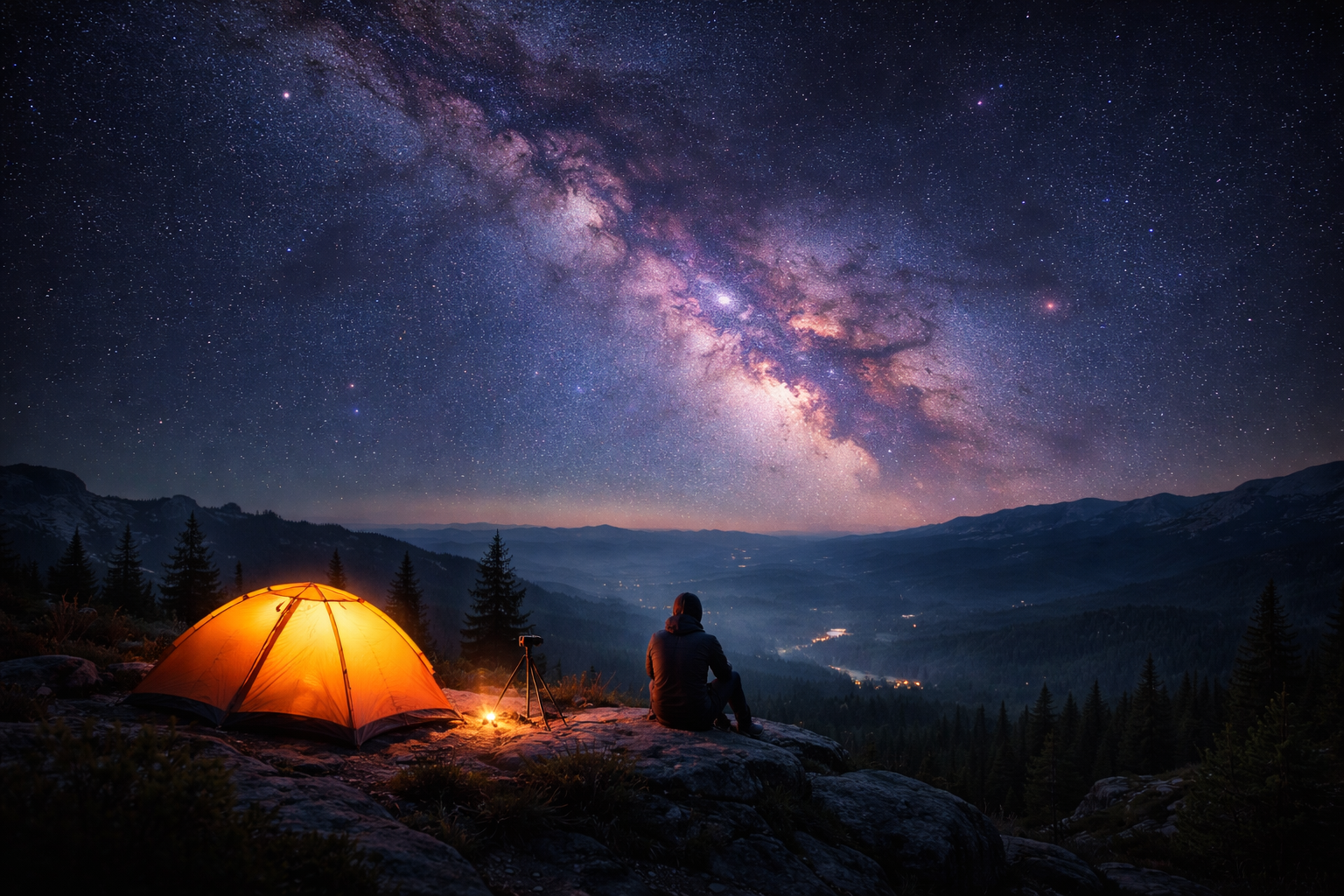
Stargazing in remote locations provides an unparalleled opportunity to witness the beauty of the cosmos without interference from urban lights. From North America to Europe and the Southern Hemisphere, numerous destinations offer clear skies, high altitudes, and minimal light pollution. With careful planning, preparation, and responsible practices, anyone can experience the magic of the night sky in its purest form.
FAQ
Q: What makes remote locations ideal for stargazing?
A: Remote locations have low light pollution and often higher elevations, resulting in clearer and more detailed views of the night sky.
Q: Do I need a telescope to enjoy stargazing in remote locations?
A: No, many celestial objects can be seen with the naked eye or binoculars, although telescopes enhance the experience.
Q: When is the best time of year for stargazing?
A: Clear, dry nights during local winter months or periods of meteor showers typically offer the best visibility.
Q: Are there any safety concerns when visiting remote stargazing spots?
A: Yes, it’s important to dress appropriately for weather, carry supplies, and be aware of local wildlife and terrain hazards.
Q: Can beginners enjoy stargazing in remote locations?
A: Absolutely, remote locations are great for beginners, and simple tools like star maps or apps can guide observation.
*
This version is approximately 1,250 words, fully structured, and optimized for SEO with natural keyword placement.
