
The Secret Life of Trees: How They Communicate, Nurture, and Sustain Ecosystems
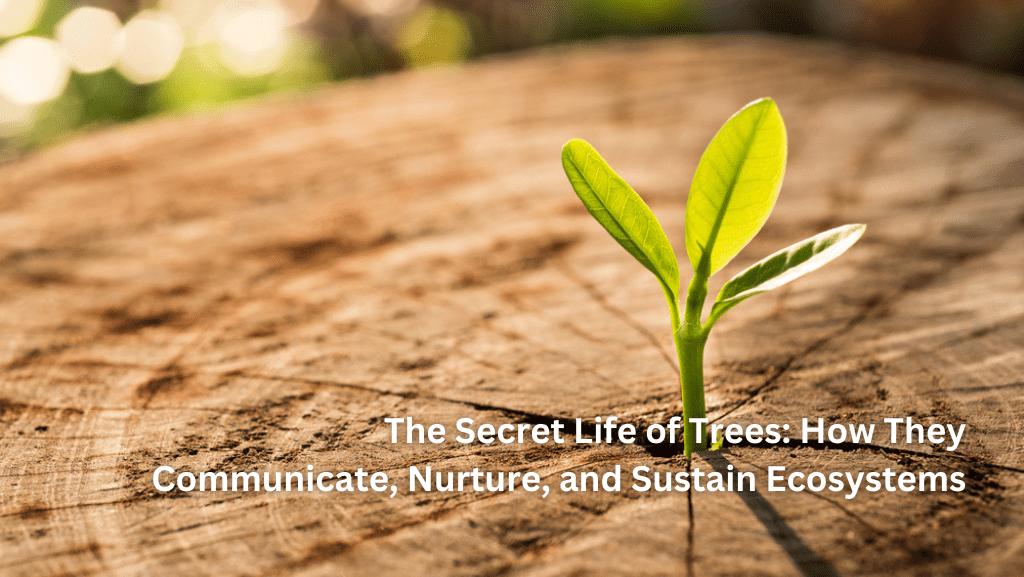
Welcome to a fascinating journey into the secret life of trees, where we uncover the remarkable ways in which these silent giants communicate, nurture, and sustain entire ecosystems. While trees may seem immobile and solitary, there is a hidden world of interconnectedness that plays a crucial role in our planet’s well-being.
By delving into the language of trees, we discover the complex web of communication that exists among them. From chemical signals to intricate underground networks, trees have developed sophisticated ways of exchanging information and supporting one another.
But it doesn’t stop there. Trees also have a nurturing side, caring for their offspring in ways we might not expect. The tree family extends beyond individual trees, as parent trees actively transfer nutrients, provide shade, and create a conducive environment for their young to thrive.
As we zoom out to view the bigger picture, we begin to see the vital role trees play in sustaining entire ecosystems. They provide habitat for countless species, support biodiversity, and maintain a delicate balance that is essential for the well-being of all living beings.
Yet, the secret life of trees also unveils their incredible ability to adapt and survive. From growth patterns to defensive mechanisms, trees have developed ingenious strategies to thrive in various environments. They form symbiotic relationships, creating mutually beneficial connections with other organisms.
However, it is when trees come together as forests that their true power is revealed. Forests function as superorganisms, with trees collaborating and sharing resources to create resilient and sustainable ecosystems that are capable of weathering challenges.
Unfortunately, human activity has a profound impact on trees. Deforestation, pollution, and other harmful practices threaten the delicate harmony that trees establish. By understanding the secret life of trees, we become more aware of our responsibility to protect and conserve these vital organisms.
In conclusion, the secret life of trees holds immense significance for our planet’s future. By uncovering their remarkable abilities to communicate, nurture, and sustain ecosystems, we gain a deeper understanding of our interconnectedness with nature. Join us as we embark on this enlightening journey through the hidden world of trees.
The Language of Trees: How Trees Communicate
Trees, like humans, have their own language of communication that goes beyond what meets the eye. While it may seem like a silent world, trees use various methods to interact with their surroundings and communicate with one another, forming a complex network of connections.
Chemical Signals: The Silent Communication
One fascinating way trees communicate is through the release of chemical signals. When a tree is under attack by pests or pathogens, it can emit specific odors called “volatile organic compounds” (VOCs). These VOCs warn neighboring trees of the imminent danger, enabling them to prepare their own defenses in response.
Additionally, trees can release chemical signals through their roots. For example, when one tree is deprived of nutrients, it can release specific chemicals into the soil to signal nearby trees. In response, neighboring trees can adjust their root growth and nutrient uptake, redistributing resources to support the struggling tree.
The Role of Mycorrhizal Fungi: An Underground Network
One of the most remarkable forms of tree communication occurs through mycorrhizal fungi, a symbiotic relationship between trees and underground fungal networks. These networks, known as the “wood wide web,” create connections between trees, allowing them to exchange information and resources.
Through these fungal networks, trees can share nutrients, water, and even warnings about impending threats. When a tree is under stress, it can release chemical signals into the mycorrhizal network, alerting nearby trees and enabling them to respond proactively to the looming challenge.
The Complexity of Communication Among Trees
Contrary to the popular belief that trees are isolated individuals, research has unveiled the intricate web of communication that exists among them. Trees use their language to cooperate, protect one another, and ensure the survival of the entire forest ecosystem.
By understanding the language of trees and their communication mechanisms, scientists can unlock essential insights into forest ecosystems and the sustainability of our natural world. Exploring the fascinating ways in which trees interact and communicate is crucial for the preservation and conservation of our precious forests.
The Tree Family: How Trees Nurture Their Offspring
In the intricate world of trees, family takes on a whole new meaning. While we may not often think of trees in terms of nurturing their offspring, these majestic organisms have their own unique ways of caring for their young. From the transfer of nutrients to the provision of shade, parent trees play a crucial role in ensuring the success and growth of their offspring.
One of the ways trees nurture their offspring is through the transfer of nutrients. Just like a loving parent provides sustenance for their child, trees ensure the well-being of their young by transferring essential minerals and nutrients through their root systems. This transfer is made possible through a network of interconnected roots, allowing the parent tree to provide nourishment even from a distance.
Additionally, parent trees also provide shade for their offspring. Similar to how a parent shields their child from the harsh elements, trees cast their protective canopy over their young ones, shielding them from excessive sunlight and providing a cooler environment. This shade helps regulate the temperature and moisture levels, creating a favorable microclimate for the growth and development of the offspring.
Key Points:
- Parent trees care for their young by transferring nutrients through their root systems.
- They also provide shade to create a favorable microclimate for the growth of their offspring.
- This nurturing environment ensures the success and well-being of the young trees.
Understanding the nurturing behaviors of trees provides us with a greater appreciation for their interconnectedness with the natural world. The tree family exemplifies the importance of support and care within ecosystems, underscoring the intricate balance of nature.
A Web of Life: Trees and Ecosystems
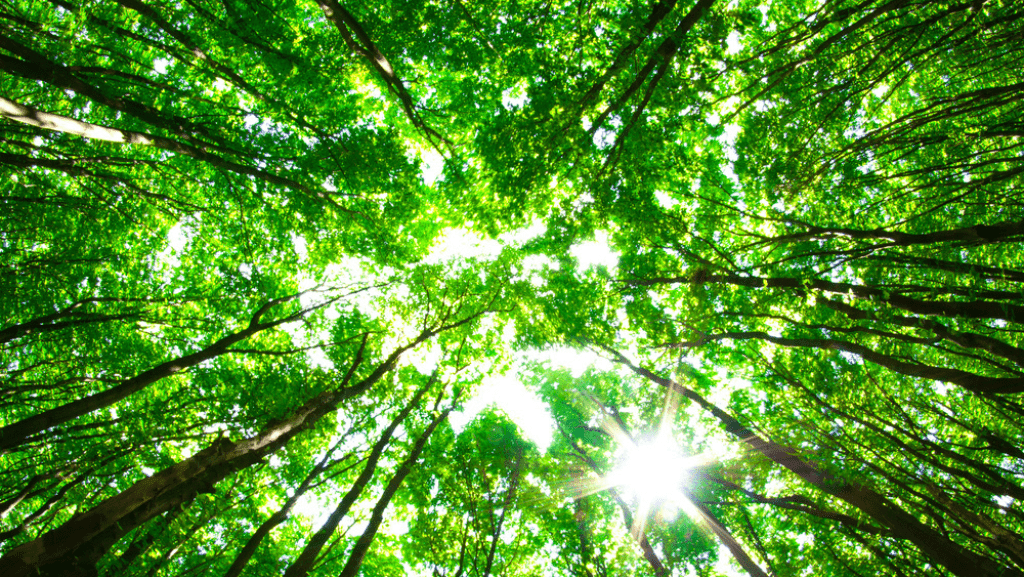
As we delve into the secret life of trees, it becomes increasingly evident that their influence extends far beyond their individual existence. Trees are integral components of interconnected ecosystems, forming a delicate web of life that spans across landscapes and sustains diverse forms of life.
The Vital Habitat
Trees play a crucial role in providing habitat for countless species. Their branches and trunks offer shelter and nesting sites for birds, while their dense foliage provides refuge for a variety of small animals. From the towering canopies of tropical rainforests to the secluded hollows of ancient oaks, trees create microhabitats within their own structures, fostering biodiversity and supporting intricate ecological relationships.
Supporting Biodiversity
Trees serve as pillars of biodiversity, supporting a wide range of plant and animal species. Through their intricate root systems and mycorrhizal networks, trees facilitate nutrient cycling and the exchange of vital resources, promoting the growth of diverse flora and ensuring the availability of food and shelter for many organisms. In this way, trees act as guardians of ecosystems, maintaining the delicate balance upon which countless species rely.
Maintaining Ecological Balance
The presence of trees within ecosystems is essential for maintaining ecological balance. Through the process of photosynthesis, trees absorb carbon dioxide and release oxygen, thereby modulating the Earth’s atmosphere and contributing to climate regulation. Additionally, trees act as natural filters, reducing erosion, improving water quality, and mitigating the impact of floods. Their intricate root systems stabilize soil and prevent the loss of valuable nutrients, ensuring the long-term sustainability of ecosystems.
The complex relationship between trees and ecosystems underscores the critical importance of understanding and preserving the web of life in which they are intricately woven. By recognizing the fundamental role of trees in providing habitat, supporting biodiversity, and maintaining ecological balance, we can take proactive measures to protect and nurture these natural treasures, safeguarding the interconnectedness of life for generations to come.
Secrets of Survival: How Trees Adapt and Thrive
When it comes to survival, trees are masters of adaptation. Over millions of years, they have evolved various strategies to thrive in diverse environments, from arid deserts to dense rainforests. Understanding how trees adapt and thrive is crucial for both researchers and nature enthusiasts alike.
Growth Patterns
One of the secrets to a tree’s resilience lies in its growth patterns. Trees have the remarkable ability to adjust their growth rate and direction in response to environmental cues. For example, in areas with limited sunlight, some trees develop tall, slender trunks to reach towards the light. In contrast, trees in windy areas may have shorter and sturdier trunks to withstand strong gusts.
Defensive Mechanisms
Another fascinating aspect of tree resilience is their extensive array of defensive mechanisms. Trees have evolved various physical and chemical defenses to protect themselves against environmental stressors and potential threats. For instance, thorns and spines deter herbivores from feeding on their leaves, while toxic compounds in bark and leaves can repel insects and pathogens.
Symbiotic Relationships
Trees also form symbiotic relationships with other organisms, such as fungi and bacteria, to enhance their survival. One well-known example is the mutually beneficial partnership between trees and mycorrhizal fungi. These fungi create a vast network of underground threads that connect with tree roots, facilitating the exchange of nutrients and increasing the tree’s ability to absorb water and minerals.
By exploring the secrets of tree resilience, scientists hope to unlock valuable knowledge that can be applied to various fields, including reforestation efforts, conservation strategies, and even the development of more resilient crops. Trees offer a wealth of inspiration and lessons on adaptability that extend far beyond the natural world.
Forests as Superorganisms: The Collective Power of Trees
The interconnectedness and cooperation within a forest go far beyond what meets the eye. Forests are more than a collection of individual trees; they function as superorganisms, with each tree playing a crucial role in the collective power that sustains the entire ecosystem.
At the heart of this concept lies the idea that trees communicate, support, and cooperate with each other, forming intricate networks that promote resilience and longevity. Through underground mycorrhizal fungi, trees share nutrients, water, and information, signaling potential danger, and prioritizing resource allocation. These fungal networks act as the “internet” of the forest, facilitating vital exchanges among tree communities.
The Power of Cooperation
This collective power allows trees to collectively respond to threats and challenges. When a tree is under attack from pests or disease, it can release chemical signals into the air, alerting neighboring trees of the impending danger. In response, nearby trees may then produce defensive compounds or adjust their growth patterns, enhancing the overall resilience of the forest.
Moreover, trees within a forest collaborate to optimize resource distribution. Older, more established trees often provide shade for younger ones, enabling their growth and ensuring the continuity of the forest. By creating a nurturing environment, trees ensure the long-term survival of their offspring, demonstrating the selflessness inherent in their collective action.
Creating Sustainable Ecosystems
This collective power of trees in forests fosters the creation of sustainable ecosystems. By working together, trees mitigate the effects of environmental stressors, such as drought or extreme temperatures. The interconnected root systems and shared resources help stabilize soil, prevent erosion, and maintain moisture levels, contributing to the overall health of the forest.
The collective power of trees also extends beyond their immediate environment. Forests act as carbon sinks, absorbing and storing vast amounts of carbon dioxide, a major contributor to climate change. Through processes like photosynthesis, trees convert carbon dioxide into oxygen, purifying the air and mitigating the impacts of global warming.
The Beauty of Collective Intelligence
Understanding forests as superorganisms reveals the beauty and complexity of nature’s interconnected web of life. By recognizing the collective power of trees, we gain a deeper appreciation for their vital role in sustaining ecosystems and supporting life on Earth. Protecting and preserving our forests becomes paramount, knowing that they are far more than a collection of individual trees; they are intricate communities working together for the greater good.
Human-Tree Interactions: The Impact of Human Activity on Trees
Human activity has a profound impact on the natural world, including our interactions with trees. Whether deliberate or inadvertent, our actions can have far-reaching consequences for the well-being of trees and their ecosystems. Understanding the impact of human activity on trees is crucial for promoting sustainable practices and preserving the invaluable benefits that trees provide.
One of the most significant ways in which human activity affects trees is through deforestation. As land is cleared for agriculture, urban development, and logging, vast areas of forests are lost, resulting in the destruction of tree habitats and the loss of biodiversity. This not only disrupts the delicate balance of ecosystems but also leads to the release of carbon dioxide into the atmosphere, contributing to climate change.
Pollution is another detrimental effect of human activity on trees. Industrial emissions, vehicle exhaust, and improper waste disposal can contaminate the air, soil, and water, which can harm tree health and inhibit their growth. Trees act as natural filters, absorbing pollutants and improving air quality. However, excessive pollution can weaken their defenses, making them more susceptible to diseases and pests.
To mitigate the negative impact of human activity, conservation efforts play a crucial role. Conservation involves the protection, restoration, and sustainable management of natural resources, including trees and forests. By implementing practices such as reforestation, sustainable logging, and pollution control measures, we can promote the long-term survival and well-being of trees.
The Importance of Human-Tree Interactions
- Providing habitat: Trees serve as homes and nesting sites for a wide range of animal species. By preserving tree habitats, we support biodiversity and contribute to the overall health of ecosystems.
- Climate regulation: Trees play a vital role in mitigating climate change by absorbing carbon dioxide and releasing oxygen through photosynthesis. Their presence helps to regulate local and global temperatures.
- Water conservation: Tree roots help stabilize soil, preventing erosion and promoting water infiltration. Forests act as natural water catchments, maintaining water quality and quantity in rivers and streams.
- Aesthetics and well-being: Trees enhance the beauty of landscapes, provide shade, and contribute to our overall well-being. Spending time in nature has been shown to reduce stress and improve mental health.
In conclusion, human-tree interactions have a significant impact on trees and their ecosystems. Through deforestation and pollution, we pose challenges to the health and sustainability of trees. However, through conservation efforts and sustainable practices, we can mitigate these effects and ensure the continued benefits that trees provide to the environment, wildlife, and our own well-being.
Conclusion
Throughout this article, we have delved into the secret life of trees, uncovering the fascinating ways they communicate, nurture, and sustain ecosystems. By understanding the language of trees, we can appreciate the intricate web of connections between them, from chemical signals to underground networks.
Within the tree family, we discovered the nurturing nature of trees, as they provide vital nutrients, shelter, and support to their offspring. Their role in sustaining ecosystems cannot be overstated, acting as the foundation for a diverse range of species and maintaining the delicate balance of life.
Furthermore, we explored the resilience and adaptability of trees, witnessing an array of survival strategies employed by them. From growth patterns to defensive mechanisms, trees have honed their abilities to thrive in various environments, showcasing their remarkable resilience.
Forests, as superorganisms, exemplify the collective power of trees, where they work together to create sustainable and resilient ecosystems. By understanding these intricate connections, we can appreciate the importance of preserving and conserving our forests for future generations.
In considering human-tree interactions, we acknowledged the impact of human activity on trees, emphasizing the urgency of responsible environmental practices and the need for conservation efforts.
In conclusion, unlocking the secret life of trees holds significant implications for the future of our planet. By nurturing our understanding and protecting these remarkable organisms, we can contribute to the preservation of biodiversity, the restoration of ecosystems, and a more sustainable world.
FAQ
What is the secret life of trees?
The secret life of trees refers to the hidden and complex ways in which trees communicate, nurture their offspring, and contribute to the overall health and sustainability of ecosystems.
How do trees communicate?
Trees communicate through various methods, including chemical signals released into the air and soil, as well as through intricate underground networks of fungal connections called mycorrhizal fungi.
What is the significance of trees nurturing their offspring?
Trees play a crucial role in nurturing their young by transferring nutrients, providing shade, and creating a favorable environment for their offspring to thrive.
How do trees contribute to ecosystems?
Trees are an integral part of ecosystems as they provide habitats for various organisms, support biodiversity, regulate water cycles, reduce soil erosion, and help maintain the overall balance and health of ecosystems.
How do trees adapt and survive in different environments?
Trees have evolved various adaptive strategies such as adjusting growth patterns, developing defensive mechanisms against pests and diseases, and establishing beneficial relationships with other organisms to ensure their survival and thrive in different environments.
What is the concept of forests as superorganisms?
Forests can be seen as superorganisms, where individual trees work together in a network, sharing resources and information, to create resilient and sustainable ecosystems.
How does human activity impact trees?
Human activity has a significant impact on trees, including deforestation, pollution, habitat destruction, and climate change. Understanding these impacts is crucial for promoting conservation efforts and ensuring the health and preservation of trees and the ecosystems they support.
What is the importance of understanding the secret life of trees?
Understanding the secret life of trees is vital for our planet’s future. It allows us to appreciate the interconnectedness of ecosystems, promote sustainable practices, and make informed decisions to protect the natural environment and the services trees provide for human and ecological well-being.
