
Top 5 Nature Conservation Strategies to Save Our Planet
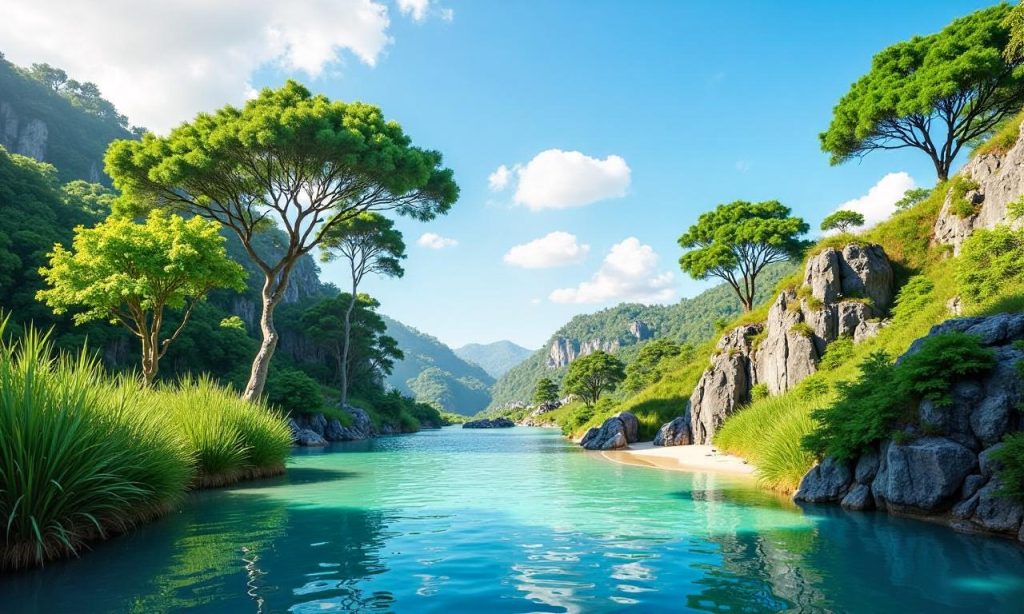
The planet Earth is facing unprecedented environmental challenges, from deforestation and climate change to biodiversity loss and pollution. As ecosystems collapse and species vanish, nature conservation strategies have become a critical focus for preserving our natural world. These strategies are not just about protecting wildlife; they are about ensuring the survival of all life forms and maintaining the balance of nature. This article explores the top five nature conservation strategies that can make a tangible difference in saving our planet, providing actionable insights for individuals, communities, and governments.
Protecting Endangered Species Through Habitat Preservation
One of the most effective nature conservation strategies is the protection of endangered species by preserving their natural habitats. Many species are at risk of extinction due to habitat destruction caused by human activities such as logging, agriculture, and urbanization. By establishing protected areas like national parks and wildlife reserves, we can safeguard ecosystems and the species that rely on them. Habitat preservation also involves restoring degraded environments, which helps maintain biodiversity and ecological stability. This strategy is crucial because healthy ecosystems depend on the interactions between different species.
Reducing Pollution to Restore Environmental Health
Pollution, whether from plastic waste, industrial emissions, or chemical runoff, poses a severe threat to the planet’s health. Implementing nature conservation strategies that focus on reducing pollution can significantly improve air, water, and soil quality. Governments and industries can enforce stricter regulations on waste disposal and promote the use of eco-friendly materials. Individuals can also contribute by adopting sustainable practices, such as recycling and minimizing single-use plastics. Cleaner environments lead to healthier wildlife and better quality of life for humans, making this strategy a cornerstone of conservation efforts.
Promoting Sustainable Resource Management
Overexploitation of natural resources, such as overfishing, excessive logging, and unsustainable farming, has led to resource depletion and environmental degradation. To address this, nature conservation strategies must emphasize sustainable resource management. This involves using renewable energy sources, practicing responsible agriculture, and implementing fishing quotas. By balancing human needs with environmental preservation, we can ensure resources are available for future generations. Sustainable practices also reduce the carbon footprint, contributing to global climate goals.
Reforestation and Afforestation as Key Solutions
Deforestation has drastically reduced the planet’s forest cover, leading to loss of biodiversity, soil erosion, and increased greenhouse gas emissions. Nature conservation strategies like reforestation and afforestation can reverse this trend. Reforestation involves planting trees in areas that have been deforested, while afforestation refers to creating new forests in non-forested regions. These efforts help sequester carbon dioxide, support wildlife habitats, and improve local climates. Tree planting initiatives also provide employment opportunities and combat desertification in vulnerable regions.
Engaging Local Communities in Conservation Efforts
Local communities play a vital role in nature conservation strategies because they are often the most directly impacted by environmental changes. Involving them in conservation projects fosters a sense of ownership and responsibility toward their natural surroundings. Education, eco-tourism, and community-based conservation programs can empower residents to protect their environment. When communities benefit economically from conservation, they are more likely to support and sustain these efforts. This strategy ensures long-term success by aligning environmental goals with human needs.
Integrating Technology for Data-Driven Conservation
Advancements in technology have revolutionized how we approach nature conservation strategies. Tools like satellite imaging, GPS tracking, and AI-driven analytics allow scientists to monitor ecosystems, track animal migrations, and detect illegal activities such as poaching and deforestation. Drones and sensors can collect real-time data on air and water quality, while biotechnology helps in restoring damaged species. Technology enhances the efficiency and effectiveness of conservation efforts, enabling targeted interventions and better decision-making. These innovations are essential for scaling up global conservation initiatives.
Encouraging Policy and Legislation for Long-Term Impact
Strong policies and legislation are foundational to successful nature conservation strategies. Governments can create laws to limit industrial pollution, protect endangered species, and enforce sustainable resource use. International agreements, such as the Paris Climate Accord and the Convention on Biological Diversity, also play a role in coordinating global conservation efforts. By setting clear environmental standards and penalties for non-compliance, these policies create a framework for accountability and progress. Effective legislation ensures that conservation remains a priority even as populations grow and demands on natural resources increase.
The Role of Education in Fostering Environmental Awareness
Educating people about the importance of nature conservation strategies is a powerful tool for creating lasting change. Schools, media, and community programs can raise awareness about environmental issues and promote eco-friendly habits. Knowledge empowers individuals to make informed choices, such as reducing energy consumption or supporting conservation organizations. When people understand the consequences of their actions, they are more likely to participate in and advocate for conservation. Education is a sustainable solution that builds a culture of environmental responsibility.
Collaborative Efforts Between Governments, NGOs, and Corporations
Conservation is a collective responsibility that requires collaboration among various stakeholders. Governments provide the legal and financial frameworks, while NGOs often lead grassroots initiatives and research. Corporations can contribute by adopting green technologies and reducing their environmental impact. Partnerships between these groups amplify the reach and effectiveness of nature conservation strategies. For example, joint projects can fund habitat restoration, protect endangered species, or promote sustainable practices. This synergy ensures that conservation efforts are comprehensive and scalable.

Adapting to Climate Change Through Conservation
Climate change is one of the biggest threats to the planet, and nature conservation strategies must include climate adaptation measures. Protecting carbon sinks like forests and wetlands helps mitigate climate change by absorbing greenhouse gases. Conserving coastal ecosystems, such as mangroves and coral reefs, also protects against rising sea levels and extreme weather events. Integrating climate resilience into conservation planning ensures that natural systems can withstand environmental stressors. This approach is essential for a sustainable future.
The Economic Benefits of Nature Conservation
Many people underestimate the economic value of nature conservation strategies, but protecting the environment can boost economies in numerous ways. Ecosystem services such as clean water, pollination, and climate regulation support industries like agriculture, tourism, and fishing. Conservation also creates jobs in green sectors, such as renewable energy and eco-tourism. By investing in nature conservation strategies, countries can reduce long-term costs associated with environmental damage while fostering economic growth. This strategy highlights the synergy between environmental and economic sustainability.
The Importance of Individual Action in Conservation
While large-scale initiatives are vital, individual actions also contribute significantly to nature conservation strategies. Simple steps like reducing water usage, supporting eco-friendly products, and recycling can have a cumulative impact. Personal choices, such as choosing public transportation or reducing meat consumption, reduce environmental footprints. When individuals embrace sustainable habits, they inspire others and create a ripple effect of positive change. This strategy underscores that conservation is a shared effort, not just the responsibility of governments or organizations.
The Future of Nature Conservation: A Call to Action
As the urgency of environmental issues grows, the need for innovative and effective nature conservation strategies becomes more pressing. The strategies discussed—habitat preservation, pollution reduction, sustainable resource use, reforestation, and community involvement—form the backbone of global conservation efforts. However, their success depends on consistent implementation and public support. The future of our planet lies in the hands of individuals, communities, and institutions that commit to long-term ecological stewardship. By combining science, policy, and action, we can create a sustainable world for future generations.
FAQ Q: What are nature conservation strategies and why are they important? A: Nature conservation strategies are methods and actions aimed at preserving ecosystems, protecting biodiversity, and ensuring sustainable use of natural resources. They are crucial for mitigating environmental degradation and maintaining ecological balance.
Q: How can individuals contribute to nature conservation strategies? A: Individuals can support nature conservation strategies by reducing waste, conserving energy, and advocating for environmental policies. Small, everyday choices have a collective impact on the planet’s health.
Q: What role do governments play in nature conservation strategies? A: Governments create laws and policies that protect the environment, fund conservation projects, and enforce regulations. Their role is essential in driving large-scale, long-term conservation efforts.
Q: Are nature conservation strategies effective in combating climate change? A: Yes, nature conservation strategies like protecting forests and wetlands help combat climate change by absorbing carbon dioxide and reducing emissions. They also enhance climate resilience.
Q: How can technology improve nature conservation strategies? A: Technology enables real-time monitoring of ecosystems, efficient data collection, and innovative solutions such as AI-driven analytics and biotechnology. It enhances the precision and scalability of conservation efforts.
