
Top Ways to Protect Wildlife and Help the Ecosystem Thrive
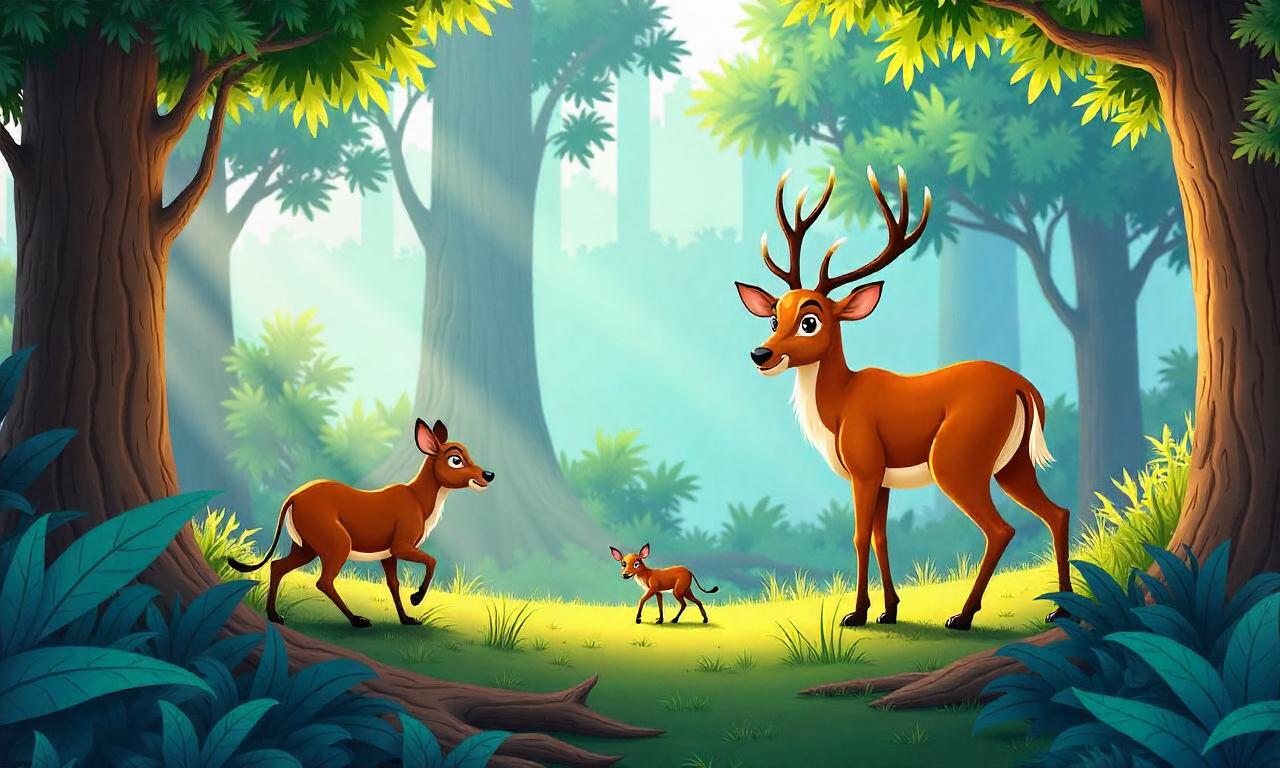
In an era where human activities are increasingly impacting the natural world, the importance of how to protect wildlife has never been more critical. From deforestation and pollution to climate change and habitat loss, modern challenges threaten the delicate balance of ecosystems and the survival of countless species. Protecting wildlife is not just about preserving animals; it’s about safeguarding the intricate web of life that sustains our planet. By adopting sustainable practices and making conscious choices, individuals and communities can play a pivotal role in ensuring that ecosystems thrive for generations to come. This article explores how to protect wildlife through actionable strategies that address the root causes of biodiversity decline and promote environmental resilience.
Key Strategies to Protect Wildlife and Enhance Ecosystem Health
To effectively how to protect wildlife, it’s essential to understand the interconnectedness of all living organisms. Ecosystems rely on the balance between species, and the loss of even a single animal can have cascading effects. Here are four key strategies that can make a significant difference in preserving wildlife and promoting a healthier environment.
Preserving Natural Habitats
Natural habitats are the foundation of biodiversity, providing shelter, food, and breeding grounds for wildlife. How to protect wildlife begins with protecting these habitats from degradation and destruction.
One of the most effective ways to how to protect wildlife is by establishing and expanding protected areas such as national parks, wildlife reserves, and marine sanctuaries. These spaces allow animals to live without human interference, ensuring their populations can grow and flourish. For example, the Amazon rainforest, often referred to as the “lungs of the Earth,” is home to millions of species. By implementing strict conservation policies and limiting deforestation, we can preserve this vital ecosystem.
In addition to creating protected areas, restoring degraded habitats is equally important. This includes reforestation, wetland restoration, and grassland rehabilitation. When habitats are damaged by human activities like agriculture or urbanization, reintroducing native plants and animals can help revive the ecosystem. For instance, the reintroduction of wolves in Yellowstone National Park has led to the recovery of entire food chains, demonstrating how restoring a single species can have far-reaching benefits.
Reducing Pollution and Waste
Pollution is a major threat to wildlife, affecting both terrestrial and aquatic environments. How to protect wildlife requires reducing the amount of waste and pollutants that harm ecosystems. Plastic pollution, in particular, poses a significant risk to marine life. Every year, millions of tons of plastic enter the oceans, endangering animals like sea turtles, whales, and fish. To how to protect wildlife, individuals can adopt habits such as using reusable bags, bottles, and containers, and avoiding single-use plastics. Governments and corporations can also play a role by enforcing stricter waste management policies and investing in biodegradable materials.
Beyond plastic, air and water pollution also impact wildlife. Industrial emissions, vehicle exhaust, and agricultural runoff can contaminate ecosystems and lead to the death of plants and animals. Implementing clean energy solutions and reducing carbon footprints are crucial steps to how to protect wildlife. For example, switching to renewable energy sources like solar or wind power can significantly reduce air pollution and its effects on wildlife habitats.
Combating Climate Change
Climate change is one of the most pressing threats to ecosystems worldwide. Rising temperatures, extreme weather events, and shifting habitats have disrupted the natural balance, leading to the decline of many species. How to protect wildlife must include efforts to mitigate climate change and adapt to its effects.
One of the primary ways to how to protect wildlife is by reducing greenhouse gas emissions. This can be achieved through sustainable practices such as planting trees, promoting renewable energy, and adopting low-carbon transportation. Trees act as natural carbon sinks, absorbing CO2 from the atmosphere and reducing the impact of climate change. Additionally, supporting policies that limit fossil fuel use can help slow the rate of global warming.
Another strategy is to protect and restore ecosystems that are particularly vulnerable to climate change. For example, coral reefs, which are home to a vast array of marine life, are under threat due to ocean warming and acidification. By implementing marine conservation programs and reducing carbon emissions, we can help preserve these ecosystems.
Promoting Sustainable Practices
Sustainable practices are essential for ensuring that wildlife and ecosystems can coexist with human development. By making environmentally conscious choices, we can how to protect wildlife while meeting our needs. Sustainable agriculture plays a key role in this effort. Traditional farming methods often lead to habitat destruction and soil degradation, but practices like crop rotation, organic farming, and reducing pesticide use can minimize environmental harm. These methods not only support biodiversity but also improve soil health and water quality. Sustainable fishing is another important aspect of how to protect wildlife. Overfishing has led to the decline of many marine species, but adopting catch limits, protecting spawning grounds, and supporting eco-friendly fishing gear can help restore fish populations. Additionally, consumer choices matter—opting for sustainably sourced seafood and reducing waste can make a significant difference.
The Role of Individuals in Wildlife Conservation
While large-scale initiatives are vital, how to protect wildlife also depends on individual actions. Every person has the power to contribute to conservation efforts through daily choices and awareness. Reducing energy consumption is a simple yet effective way to support wildlife. Turning off lights when not in use, using energy-efficient appliances, and choosing public transportation can lower your carbon footprint and reduce the impact on ecosystems. Supporting local conservation organizations is another impactful step. These groups work on the ground to protect habitats, rescue endangered species, and educate communities. Donating time, money, or resources can help fund these critical efforts.
How to Protect Wildlife: The Power of Education and Advocacy
Education is a cornerstone of conservation. By raising awareness about the importance of biodiversity and the threats it faces, individuals can become advocates for how to protect wildlife. Schools, universities, and community programs can play a role in teaching younger generations about environmental stewardship.
Social media and technology also offer powerful tools for advocacy. Sharing information about endangered species, highlighting conservation success stories, and using hashtags like #ProtectWildlife can amplify the message and encourage more people to take action.
How to Protect Wildlife: Community and Global Collaboration
Conservation efforts are most effective when they involve collaboration at both local and global levels. Communities, governments, and international organizations must work together to create a unified approach to how to protect wildlife. Local communities often have a deep connection to their natural environments. Involving them in conservation projects ensures that efforts are sustainable and culturally relevant. For example, indigenous communities have long practiced land management techniques that preserve biodiversity. Supporting these efforts and respecting traditional knowledge can lead to more effective conservation strategies.
On a global scale, international agreements such as the Convention on Biological Diversity and the Paris Agreement set frameworks for protecting wildlife and ecosystems. These agreements encourage countries to commit to environmental goals, such as reducing deforestation rates and protecting critical habitats.
The Impact of Policy and Legislation
Strong policies and legislation are essential for how to protect wildlife. Governments can implement laws that restrict harmful activities, such as illegal logging or poaching, and provide incentives for sustainable practices. For instance, protected wildlife corridors help animals migrate safely between habitats, reducing the risk of isolation and genetic diversity loss.
Additionally, enforcing regulations on industries that impact the environment is crucial. This includes setting limits on pollution, regulating fishing and hunting activities, and promoting eco-friendly tourism. When these policies are consistently applied, they create a safer environment for wildlife to thrive.
How to Protect Wildlife: Innovation and Technology
Advancements in technology offer new opportunities for wildlife conservation. Innovative tools and solutions can help monitor ecosystems, reduce human-wildlife conflict, and restore habitats. Remote sensing and satellite technology allow scientists to track deforestation, monitor wildlife populations, and detect illegal activities in real time. For example, drones equipped with cameras can survey large areas of wilderness, helping to identify and protect endangered species. Biotechnology is also playing a role in conservation. Techniques like genetic preservation and artificial breeding help save species from extinction. These methods are particularly useful for animals with small populations, such as the giant panda and the California condor.
The Role of Citizen Science
Citizen science initiatives empower individuals to contribute to wildlife conservation. By participating in birdwatching, insect monitoring, or pollution tracking, people can gather valuable data that informs conservation strategies. These efforts not only support scientific research but also foster a deeper connection between individuals and the natural world.
How to Protect Wildlife: Encouraging Eco-Friendly Lifestyles
Adopting eco-friendly lifestyles is a practical way to how to protect wildlife. Small changes in daily habits can collectively make a big impact on the environment and the survival of species. Reducing water usage is one such strategy. Conserving water helps maintain the health of aquatic ecosystems, which are home to a vast array of species. Simple actions like fixing leaks, using water-saving appliances, and reducing shower time can make a difference. Choosing sustainable products is another way to support wildlife. This includes buying eco-friendly cosmetics, using organic cotton, and supporting fair trade initiatives. These choices reduce the demand for harmful resources and promote ethical practices that protect ecosystems.
The Benefits of Sustainable Living
Sustainable living not only helps how to protect wildlife but also improves human health and well-being. By reducing exposure to pollutants and conserving natural resources, individuals can create a more sustainable future for both people and animals.
For example, eating a plant-based diet can reduce the demand for livestock farming, which is a major driver of deforestation and greenhouse gas emissions. This shift in diet helps preserve habitats and reduce the carbon footprint associated with animal agriculture.
Conclusion
Protecting wildlife is a shared responsibility that requires collective action, innovation, and awareness. Whether through habitat preservation, pollution reduction, sustainable practices, or community involvement, how to protect wildlife can be achieved with dedication and knowledge. By making conscious choices and supporting conservation efforts, we can ensure that ecosystems continue to thrive and that future generations inherit a healthy, biodiverse planet. The journey to how to protect wildlife begins with understanding the interconnectedness of all life forms and taking steps to safeguard the environment.
