
Top Ways to Solve Environmental Problems and Protect Our Planet
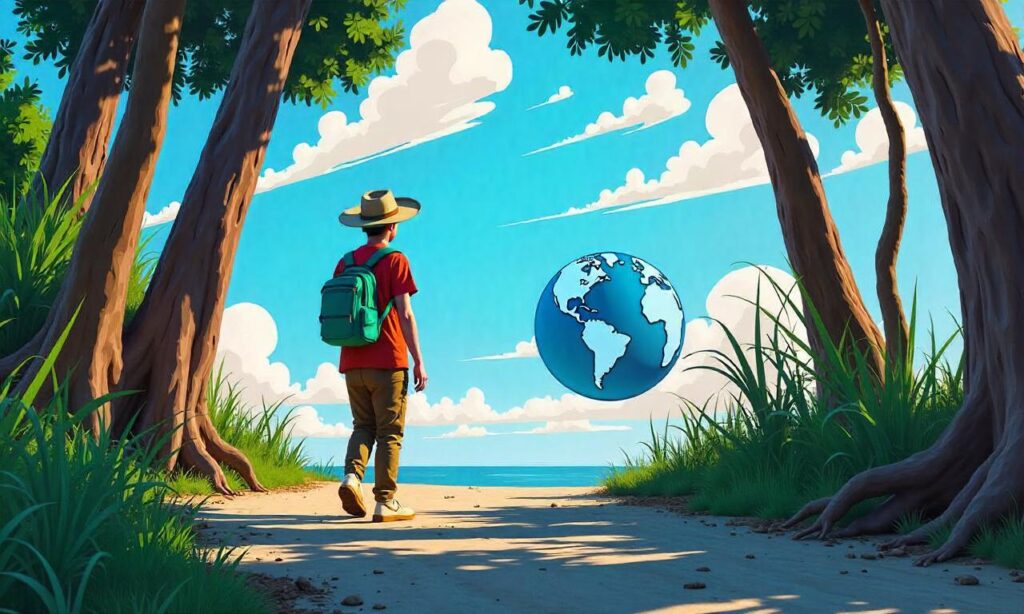
Environmental issues have become one of the most pressing challenges of the 21st century. From climate change to deforestation, pollution, and the depletion of natural resources, the planet is facing a multitude of threats that require urgent attention. Solving environmental problems is no longer a choice—it’s a necessity for ensuring the survival of ecosystems, human health, and future generations. While the problem seems vast, there are actionable and effective strategies that individuals, communities, and governments can implement to mitigate these issues. This article explores top ways to solve environmental problems, focusing on practical solutions that can make a meaningful impact on protecting our planet.
The Importance of Solving Environmental Problems
The Earth’s environment is a delicate system that has sustained life for millions of years. However, human activities have disrupted this balance, leading to a crisis that affects every corner of the globe. Climate change, driven by greenhouse gas emissions, is causing rising temperatures, extreme weather events, and sea-level rise. Deforestation, driven by agriculture and urbanization, is destroying habitats and reducing the planet’s ability to absorb carbon dioxide. Additionally, pollution from plastics, chemicals, and industrial waste is contaminating air, water, and soil, threatening both wildlife and human populations.
Solving environmental problems requires a multifaceted approach that combines innovation, education, and policy changes. While large-scale efforts by governments are crucial, individuals also play a significant role in reducing their environmental footprint. By adopting eco-friendly habits and supporting sustainable initiatives, everyone can contribute to global environmental protection. This section will delve into the key strategies that can help address these challenges effectively.
Reducing Carbon Footprint Through Daily Choices
One of the most impactful ways to solve environmental problems is by reducing carbon footprint. Carbon emissions are a major contributor to climate change, and minimizing them can have a profound effect on global warming. Individuals can take simple yet powerful steps in their daily lives to lower their carbon footprint, such as using public transportation, carpooling, or switching to electric vehicles. Electric vehicles (EVs) are becoming increasingly popular as a sustainable alternative to traditional gasoline-powered cars. By choosing EVs, people can cut down on fossil fuel dependence and reduce air pollution. Additionally, adopting energy-efficient practices at home, like using LED light bulbs and unplugging idle electronics, can significantly cut energy consumption. These small actions, when multiplied across millions of households, can lead to substantial carbon emission reductions.
Another effective strategy is plant-based eating. The meat and dairy industries are major contributors to greenhouse gas emissions, requiring large amounts of water, land, and energy. By incorporating more plant-based meals into their diets, individuals can support sustainable agriculture and reduce their impact on the environment. Even reducing meat consumption by a few days a week can make a noticeable difference in carbon output.
Promoting Sustainable Resource Management

Sustainable resource management is essential for solving environmental problems and ensuring that natural resources are used responsibly. This approach emphasizes conservation, renewability, and efficient utilization of resources to avoid depletion. One key aspect of sustainable practices is recycling. By recycling materials such as paper, plastic, glass, and metal, we can reduce landfill waste and conserve raw materials. Recycling programs not only help in reducing waste but also support circular economy principles. A circular economy aims to minimize waste by reusing and repurposing materials instead of discarding them after a single use. This model can significantly cut down on resource extraction, which often leads to ecological destruction. Governments and corporations must invest in comprehensive recycling infrastructure to make this process efficient and accessible for all. Water conservation is another critical component of sustainable resource management. With global water scarcity becoming a growing concern, it’s vital to adopt water-saving techniques such as fixing leaks, using low-flow fixtures, and harvesting rainwater. These efforts can preserve freshwater resources and reduce energy consumption in water treatment processes.
Implementing Effective Waste Reduction Strategies
Waste reduction is a crucial part of solving environmental problems. The global waste crisis is exacerbated by plastic pollution, which contaminates oceans, harms marine life, and persists in the environment for centuries. To address this, individuals and organizations can implement waste management strategies that focus on minimizing waste generation and maximizing reuse. Composting is an excellent example of a waste reduction technique that turns organic waste into nutrient-rich soil. By composting food scraps and yard waste, people can reduce landfill waste and decrease methane emissions—a potent greenhouse gas. Zero-waste initiatives are also gaining traction, encouraging communities to eliminate single-use plastics and adopt sustainable consumption habits. These efforts can transform waste into a resource and reduce the environmental impact of disposable products.
In addition to composting, recycling, and reusing, businesses can play a vital role in waste management. By implementing eco-friendly packaging and adopting waste segregation practices, companies can reduce their environmental impact and conserve natural resources. Governments can support these initiatives by enacting regulations that encourage waste reduction and proper disposal.
Transitioning to Renewable Energy Sources
The shift from fossil fuels to renewable energy is one of the most effective ways to solve environmental problems. Renewable energy sources such as solar, wind, and hydroelectric power offer sustainable alternatives that reduce carbon emissions and combat climate change. Unlike fossil fuels, which release harmful greenhouse gases when burned, renewable energy sources produce clean energy with minimal environmental impact. Investing in renewable energy technologies requires both individual and collective action. For example, solar panels can be installed on homes and businesses to generate electricity from sunlight. Similarly, wind turbines can harness the power of the wind to produce renewable energy for communities. Governments can accelerate this transition by offering incentives for renewable energy adoption and supporting research and development in clean energy innovation.
In addition to renewable energy, energy efficiency improvements are also essential. By upgrading to energy-efficient appliances and insulating buildings, we can reduce energy demand and lower emissions. These measures not only help solve environmental problems but also result in long-term cost savings for households and industries.
Conclusion
Solving environmental problems is a collective responsibility that demands innovative solutions, sustainable practices, and global cooperation. By reducing carbon footprint, promoting sustainable resource management, implementing waste reduction strategies, and transitioning to renewable energy, we can create a healthier planet for future generations. Each action, no matter how small, contributes to global environmental protection and helps address the root causes of ecological degradation. As individuals, communities, and governments work together, the vision of a sustainable future becomes increasingly achievable. The key is to prioritize eco-friendly habits and support policies that align with environmental conservation. With consistent effort and commitment, solving environmental problems can transform our world into a more resilient and sustainable place.
