
What Are Natural Ecosystems? Everything You Need to Know
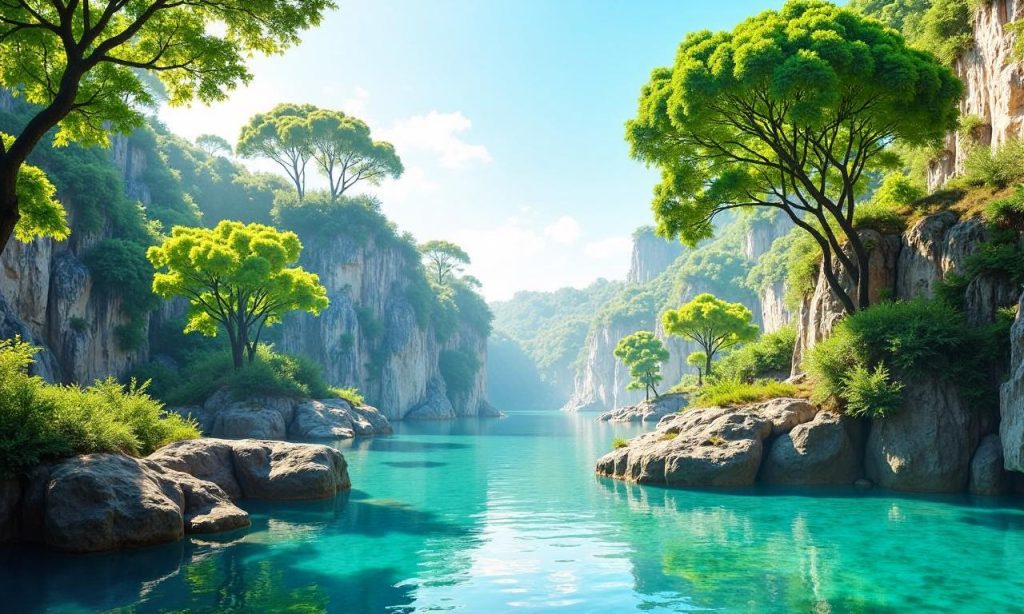
Natural ecosystems are the foundation of life on Earth, playing a vital role in sustaining biodiversity, regulating climate, and providing essential resources for all living organisms. These interconnected systems, shaped by natural processes over thousands of years, are critical to maintaining the balance of our planet’s environment. From the dense rainforests of the Amazon to the vast oceans of the Pacific, natural ecosystems are diverse and dynamic. Understanding how they function and why they matter is essential for anyone interested in environmental science, conservation, or the future of our planet. In this article, we’ll delve into natural ecosystems explained, covering their definition, components, types, and the challenges they face. Whether you’re a student, a researcher, or simply curious about the natural world, this guide will help you grasp the complexities of these life-sustaining systems.
Definition and Importance of Natural Ecosystems
An ecosystem is a community of living organisms, including plants, animals, and microorganisms, interacting with each other and their physical environment. When we talk about natural ecosystems explained, it’s important to highlight that these systems are not just random collections of life but are carefully balanced networks that support each other. Natural ecosystems are distinguished from artificial ones, such as agricultural fields or urban areas, by their self-sustaining nature. They rely on natural processes like nutrient cycling, energy flow, and ecological succession to maintain their structure and function.
The importance of natural ecosystems cannot be overstated. They provide essential services that benefit both the environment and humans. For instance, natural ecosystems explained can help regulate the climate by absorbing carbon dioxide, purifying water, and preventing soil erosion. They also act as reservoirs of biodiversity, housing countless species that contribute to the planet’s ecological resilience. Moreover, ecosystems like forests, wetlands, and coral reefs support food chains, offer habitats for wildlife, and even produce oxygen and clean air. Without these systems, the Earth’s environment would be significantly less stable, and many species, including humans, would face survival challenges.
One of the key reasons natural ecosystems are so vital is their ability to adapt and regenerate. Over time, these systems evolve in response to changes in climate, geological activity, and species interactions. This adaptability ensures that they can withstand disturbances and continue supporting life. However, human activities such as deforestation, pollution, and overexploitation of resources have disrupted this balance, leading to habitat loss and ecosystem degradation. By studying natural ecosystems explained, we can gain insights into how to protect and restore these critical environments for future generations.
Components of Natural Ecosystems
Natural ecosystems are composed of two primary elements: abiotic components and biotic components. These elements work together in a complex web of interactions to sustain life and maintain ecological balance. Abiotic components refer to the non-living parts of an ecosystem, such as sunlight, temperature, water, air, soil, and minerals. These factors provide the physical and chemical conditions necessary for life to thrive. For example, sunlight is essential for photosynthesis, enabling plants to produce energy and form the base of the food chain. Similarly, water availability determines which species can inhabit a particular ecosystem, influencing everything from plant growth to animal behavior.
In contrast, biotic components consist of all living organisms within an ecosystem. These include producers, consumers, and decomposers. Producers, such as plants and algae, convert sunlight into energy through photosynthesis, forming the foundation of the food web. Consumers, including herbivores, carnivores, and omnivores, rely on producers for sustenance and play a crucial role in transferring energy through the ecosystem. Decomposers, like fungi and bacteria, break down dead organic matter, recycling nutrients back into the soil. This cycle of life ensures that ecosystems remain productive and resilient, even in the face of environmental changes.
The interactions between abiotic and biotic components are what make ecosystems so intricate. For example, the presence of certain soil nutrients can influence the types of plants that grow in an area, which in turn affects the animals and microorganisms that depend on them. Similarly, changes in temperature can alter the behavior of species, leading to shifts in population dynamics. By understanding how these components function together, we can better appreciate the complexity of natural ecosystems explained and the delicate equilibrium that sustains them.
Types of Natural Ecosystems
Natural ecosystems come in a wide variety of forms, each with its own unique characteristics and ecological roles. These systems can be broadly categorized into terrestrial ecosystems and aquatic ecosystems, with further subdivisions based on specific environments. Terrestrial ecosystems include forests, grasslands, deserts, tundras, and wetlands, while aquatic ecosystems encompass oceans, rivers, lakes, and freshwater wetlands. Each of these ecosystems supports distinct communities of organisms and plays a unique role in the Earth’s ecological network.
Forests are among the most well-known natural ecosystems explained. They are divided into different types, such as tropical rainforests, temperate forests, and boreal forests, each with its own climate, flora, and fauna. Tropical rainforests, for instance, are characterized by their high biodiversity and dense canopy layers, while boreal forests are dominated by coniferous trees and are adapted to colder climates. Grasslands, on the other hand, are open areas with limited tree cover, often shaped by grazing animals and periodic fires. These ecosystems are crucial for maintaining soil health, supporting grazing species, and storing carbon.
Aquatic ecosystems are equally important, though they differ significantly in their structure and function. Oceans, covering over 70% of the Earth’s surface, are vast and complex systems that include coral reefs, estuaries, and deep-sea trenches. These environments are home to millions of species, from microscopic plankton to massive whales. Freshwater ecosystems, such as rivers and lakes, are smaller but no less vital. They provide drinking water, support aquatic life, and are critical for human and animal survival. Wetlands, which include marshes, swamps, and bogs, act as natural filters, absorbing excess nutrients and pollutants while also serving as breeding grounds for many species.
Each type of natural ecosystem contributes uniquely to the planet’s ecological health. For example, wetlands play a critical role in flood control by absorbing excess water, while forests help regulate the global climate by sequestering carbon. Understanding these differences is key to appreciating the diversity of natural ecosystems explained and the ways in which they support life on Earth.
Threats to Natural Ecosystems and Conservation Efforts
Despite their resilience, natural ecosystems are under increasing pressure from human activities and environmental changes. One of the most significant threats is deforestation, which occurs when forests are cleared for agriculture, urban development, or resource extraction. This not only reduces biodiversity but also disrupts the carbon cycle, contributing to climate change. Additionally, pollution from industrial waste, plastic debris, and chemical runoff contaminates soil, water, and air, harming both plants and animals. In aquatic ecosystems, overfishing and marine pollution threaten the survival of countless species, disrupting food chains and depleting resources.
Climate change is another major challenge for natural ecosystems. Rising global temperatures, shifting weather patterns, and increased frequency of extreme events such as droughts and wildfires are altering habitats and forcing species to adapt or perish. For instance, polar ice caps are melting, which affects natural ecosystems explained in Arctic regions, threatening species like polar bears and seals. Similarly, coral reefs are experiencing bleaching events due to warmer ocean temperatures, which can lead to widespread loss of marine biodiversity. These changes highlight the urgent need for conservation efforts to mitigate the impact of human-induced environmental stressors.
Conservation initiatives are playing a crucial role in protecting and restoring natural ecosystems. Protected areas, such as national parks and wildlife reserves, help preserve habitats and allow species to thrive without human interference. Reforestation projects are also gaining momentum, aiming to restore degraded forests and combat climate change by sequestering carbon. Moreover, sustainable agricultural and fishing practices are being implemented to reduce the strain on ecosystems while still supporting human needs. By investing in these strategies, we can ensure that natural ecosystems explained continue to function as they have for centuries, providing essential services and supporting life on Earth.

Natural ecosystems are also affected by invasive species, which can outcompete native organisms for resources and disrupt local food chains. For example, the introduction of non-native plants into wetlands can alter water flow and reduce the availability of food for native wildlife. Similarly, overgrazing in grasslands can lead to soil erosion and the loss of native plant species. These challenges underscore the importance of managing ecosystems with care to prevent further degradation.
In addition to human activities, natural disasters such as volcanic eruptions, earthquakes, and wildfires can also impact ecosystems. However, these disturbances are often part of the natural cycle, allowing ecosystems to regenerate over time. For instance, wildfires can clear out dead vegetation, promoting new growth and creating habitats for fire-adapted species. Understanding how ecosystems respond to such events is essential for developing effective conservation strategies.
The preservation of natural ecosystems requires a combination of scientific research, policy implementation, and community involvement. Governments and environmental organizations are working together to create laws that protect endangered habitats and limit harmful activities. At the same time, individuals can contribute by reducing their ecological footprint, supporting sustainable practices, and participating in conservation efforts. By recognizing the value of natural ecosystems explained, we can take meaningful steps to ensure their survival for future generations.
Natural ecosystems are also essential for cultural and recreational purposes. Many communities rely on these environments for traditional practices, spiritual significance, and tourism. For example, national parks and natural reserves attract millions of visitors each year, generating economic benefits while also raising awareness about conservation. Protecting these ecosystems not only preserves biodiversity but also maintains the cultural heritage and quality of life for people around the world.
In the face of these challenges, technology is playing an increasing role in ecosystem conservation. Tools such as satellite imaging, data analysis, and remote sensing are helping scientists monitor environmental changes and track the health of ecosystems in real time. These innovations allow for more accurate assessments of biodiversity loss and the effectiveness of conservation efforts. Additionally, renewable energy projects are being developed to reduce the impact of fossil fuel extraction on natural habitats.
The role of education and awareness in preserving natural ecosystems cannot be overlooked. By learning about natural ecosystems explained, individuals can make informed decisions that reduce their impact on the environment. Schools, universities, and community programs are increasingly incorporating environmental education into their curricula, fostering a new generation of eco-conscious citizens. Public campaigns and documentaries also help highlight the importance of these ecosystems, inspiring people to take action in their daily lives.
International cooperation is another key factor in ecosystem conservation. Global initiatives such as the United Nations Convention on Biological Diversity and climate accords bring together nations to address environmental challenges on a larger scale. These agreements set targets for habitat protection, species conservation, and reducing greenhouse gas emissions. By working together, countries can share resources, knowledge, and strategies to ensure the long-term health of natural ecosystems.
The success of conservation efforts often depends on the involvement of local communities. Indigenous peoples and traditional landowners have long understood the value of natural ecosystems, and their knowledge is increasingly being integrated into modern conservation practices. By supporting community-led initiatives and involving local populations in decision-making processes, conservationists can create more effective and sustainable strategies. This approach not only protects ecosystems but also strengthens the connection between people and nature.
In addition to conservation, restoration projects are being used to revive ecosystems that have been damaged by human activities. These efforts involve reintroducing native species, replanting vegetation, and cleaning polluted areas. For example, wetland restoration projects have helped revive degraded marshes and improve water quality in surrounding regions. Similarly, reef restoration initiatives use techniques like coral transplantation to rebuild damaged marine environments. These projects demonstrate the potential for recovery and the importance of taking proactive measures to protect natural ecosystems.
The future of natural ecosystems explained depends on our ability to balance human needs with environmental protection. As the global population continues to grow, the demand for resources such as water, timber, and food will increase. This puts additional pressure on ecosystems, requiring innovative solutions to minimize harm. By adopting sustainable practices, investing in conservation, and raising awareness, we can ensure that these vital systems continue to thrive. The challenge lies not only in understanding the complexity of natural ecosystems but also in taking action to preserve them for the benefit of all life on Earth.
Natural ecosystems are more than just habitats; they are the lifeblood of our planet. From the smallest microorganisms to the largest animals, every organism plays a role in maintaining the delicate balance of these systems. For example, pollinators like bees and butterflies are essential for plant reproduction, while decomposers break down organic matter to enrich the soil. These interactions are what make ecosystems so resilient and capable of sustaining life in diverse environments.
The interconnectedness of natural ecosystems also means that the health of one system can affect others. For instance, def
