
Children’s entertainer Ms. Rachel has a new cause: Freeing kids from ICE detention
Children’s entertainer Ms. Rachel has a new cause: Freeing kids from ICE detention
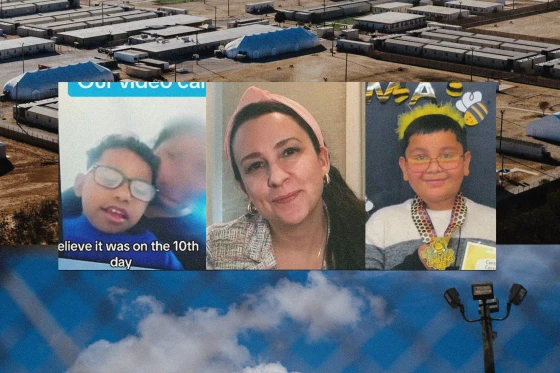
A video call with a young boy in Dilley, Texas, left a lasting impression on Ms. Rachel. “I don’t want to be here anymore,” he said, his voice tinged with urgency. “Nothing is good here.” The 9-year-old, Deiver Henao Jimenez, had been in the family detention center with his parents since early March. Children at the facility have shared concerns about restricted education, constant lighting, and questionable meals. During the call, Ms. Rachel, known for her educational videos for babies and toddlers, tried to calm the boy. “Oh, I’m so sorry,” she said, her warm, high-pitched tone recognizable to millions. “A lot of people want to try to help.”
Deiver spoke of missing his friends and discomfort from the food. Yet, his most pressing worry was not the conditions but the missed opportunity to compete in the spelling bee. He had secured a place in New Mexico’s state competition after placing third in regionals. “I want to leave and go to the spelling bee,” he said. Ms. Rachel reassured him, praising his spelling talent. “You have a real gift for spelling. You’re so smart.” Her expression shifted as she reflected on the moment. “It was unbelievably surreal to see this sweet little face and feel like I was on a call with somebody who’s in jail,” she told NBC News in an exclusive interview. “It broke me, and it was something I never thought I’d encounter in life.”
“It was unbelievably surreal to see this sweet little face and feel like I was on a call with somebody who’s in jail,” Ms. Rachel said. “It broke me, and it was something I never thought I’d encounter in life.”
A Viral Moment Sparks Awareness
Ms. Rachel first learned about Dilley’s conditions in January, when federal agents detained the father of 5-year-old Liam Conejo Ramos in Minneapolis. The child’s photo, wearing a blue bunny hat and Spider-Man backpack, went viral, drawing national attention to the remote facility. Though the family was eventually released, their asylum claim was denied this week. The incident marked a turning point for Ms. Rachel, who has since become a vocal advocate for vulnerable children.
With over 2,300 children detained with their parents in the first year of the Trump administration’s expanded immigration crackdown, Dilley has been the primary location. Most of these children spent weeks or months in the center, enduring hardships such as finding worms in food and long waits for medicine. Parents and legal representatives described the toll on young detainees, including instances of medical emergencies. According to The New York Times, the number of children at Dilley dropped from 500 in January to around 50 this week.
Advocacy Beyond Borders
Ms. Rachel’s outreach extends beyond U.S. borders. She has highlighted the struggles of children in Gaza, Sudan, and the Democratic Republic of Congo, raising hundreds of thousands of dollars for their causes. Critics have accused her of taking sides in global conflicts, but she has consistently defended her efforts. “I see all children as precious and equal,” she emphasized.
After her recent video call with Deiver and another boy, Ms. Rachel announced a new mission: collaborating with lawyers and immigration advocates to close Dilley. “I want to make sure kids and their parents are back in their communities where they belong,” she said. The decline in detainees at Dilley has been attributed to sustained pressure from human rights groups, Democratic lawmakers, and legal professionals. However, the Department of Homeland Security dismissed reports of poor conditions, calling them “mainstream media lies” and asserting that the facility provides comprehensive care tailored to families.
Ms. Rachel, whose real name is Rachel Accurso, has grown increasingly concerned as she delved deeper into Dilley’s situation. The video call with children held there solidified her resolve to take action closer to home. “It’s something I never thought I’d encounter in life,” she said, reflecting on the emotional impact of the experience.
