
Israel bans Friday prayers at Al-Aqsa Mosque despite Purim celebrations proceeding
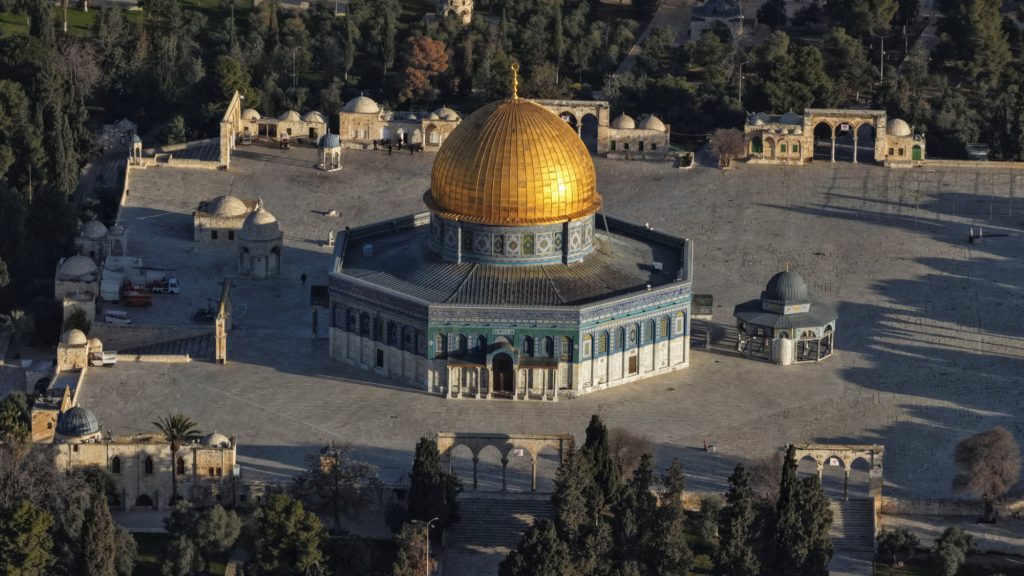
Israeli Closure of Al-Aqsa Mosque Amid Ramadan and Purim Contrasts
Israel has prohibited Friday prayers at Al-Aqsa Mosque, citing the “security situation” amid the ongoing conflict with Iran, even as Jewish Purim festivities proceed in other parts of the city.
Palestinian Criticism of the Closure
Palestinians accuse Israeli authorities of using the war as a cover to reduce the number of worshippers at Al-Aqsa, especially during Ramadan when thousands typically gather. Aouni Bazbaz, head of international affairs at the Islamic Waqf, warned of the closure’s potential impact.
“The extended shutdown of Al-Aqsa Mosque, particularly when other parts of the city are resuming regular activity, may lead to significant consequences that we cannot overlook,” Bazbaz stated to Middle East Eye.
He argued that prolonged restrictions could “intensify tensions and public frustration,” threatening regional stability. Bazbaz also noted the closure might establish a new norm for controlling mosque access.
“The occupation authorities are shaping a new reality at Al-Aqsa, determining when it can be open or closed,” he added.
Contrast in Celebrations
Following Israel’s attack on Iran on Saturday, Al-Aqsa and the Old City were shut down. Israeli forces limited entry to residents and local workers, while allowing large gatherings for Purim celebrations elsewhere in Jerusalem.
During Ramadan, the Old City and the mosque are usually packed with Palestinian visitors. Yet, the area has been largely emptied, with only a few staff permitted inside. Meanwhile, Israelis have continued their holiday festivities without similar restrictions.
Accusations of Pretext
Fakhri Abu Diab, a Jerusalem activist and expert, claimed the security justification was false. “The police and government don’t prioritize protecting us, and there are no bomb shelters for Palestinians in the city,” he told Middle East Eye.
“We are kept away from Al-Aqsa, but people are still active in the streets and markets. The shops are open, institutions function, and daily life continues. Meanwhile, the mosque, which is not a target, remains closed,” Abu Diab emphasized.
He asserted that the closure aims to displace Palestinians and diminish their religious presence, transforming the mosque into a site under Israeli control.
International Law and Historical Context
Al-Aqsa Mosque has historically been managed by the Islamic Waqf, a Jordanian-appointed body overseeing its Islamic status. However, since Israel occupied East Jerusalem in 1967, Palestinian control has faced increasing challenges.
Israel’s administration of the Old City, including Al-Aqsa, is seen as violating international law, which states an occupying power cannot permanently alter the status of a territory it controls.
Bazbaz has not yet released an official statement on the closure, but he highlighted concerns about its long-term implications. “This move has raised fears that temporary restrictions could evolve into a permanent or semi-permanent change, especially if people grow accustomed to the limitations,” he noted.
