
Taiwan opposition leader visits China for expected meeting with Xi Jinping
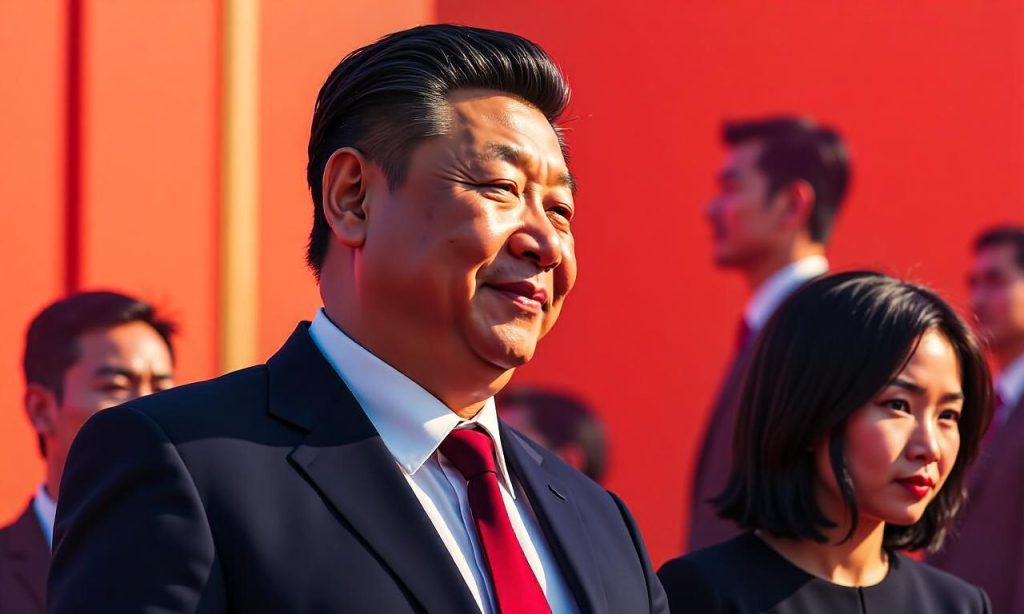
Taiwan Opposition Leader Travels to China for Anticipated Encounter with Xi Jinping
Cheng Li-wun, the current head of Taiwan’s Kuomintang (KMT), has reached mainland China, with plans to meet President Xi Jinping during her six-day itinerary. The visit, which includes stops in Shanghai, Nanjing, and Beijing, marks a significant shift as Cheng becomes the first KMT leader to cross the Strait in over ten years. Her willingness to engage with Beijing has drawn both praise and criticism from political figures and analysts.
Historical Context and Cross-Strait Dynamics
Following Tsai Ing-wen’s election as president in May 2016, China severed several communication links with Taiwan, citing her refusal to recognize the single Chinese nation framework. This stance has fueled tensions, with Beijing insisting that Taiwan is a province destined to reunify with the mainland. Meanwhile, many in Taiwan view the island as a sovereign entity, though most support maintaining the status quo—neither declaring independence nor seeking formal unification.
Cheng’s journey is seen as a strategic move to foster dialogue and reduce tensions between Taiwan and China. She expressed optimism about her role as a “bridge for peace” during her visit, a sentiment that contrasts with her predecessors’ more restrained approaches to cross-strait relations. Analysts suggest that this trip could enhance her political standing ahead of upcoming local elections.
Political Reactions and Analyst Perspectives
“Beijing wants a cordial meeting with Taiwan’s opposition to undermine the argument for US-Taiwan defence cooperation,” says Wen-ti Sung, a political scientist at the Australian National University’s Taiwan Centre. This strategy, he explains, aims to divert attention from cross-strait disputes during Trump’s upcoming visit to Beijing on 14 and 15 May.
Cheng’s visit has sparked debate within Taiwan. While her efforts to align with Beijing may benefit the KMT’s political prospects, some critics label her as an opportunist. Political scientist Chong Ja-Ian of the National University of Singapore notes that Cheng’s accommodating attitude has led many to view her as a “fair-weather politician” prioritizing personal gain over steadfast principles.
The DPP, Taiwan’s ruling party, has voiced concerns over Cheng’s trip, accusing Beijing of orchestrating it to “completely control” the interaction. They argue that China’s actions, including military presence around the island, have destabilized regional peace. Despite this, the DPP’s influence over the legislature has stalled a proposed $40bn special defence funding bill, which a bipartisan US delegation recently supported.
Analysts like William Yang of the International Crisis Group highlight Cheng’s intent to position herself as a leader capable of bridging the gap between the US and China. “She sees this as an opportunity to present herself as the political leader capable of maintaining cross-strait exchange and potentially reducing tensions,” Yang explains. However, the US’s role as Taiwan’s primary arms supplier remains central, with recent statements from Trump suggesting Taiwan should compensate the country for its military support.
Cheng’s visit underscores the complex interplay of diplomacy and domestic politics in Taiwan. While her alignment with Beijing may offer short-term advantages, the long-term impact of her decisions—and who they benefit—remains uncertain.
