
Who threatens the Arab world: Iran or the US and Israel?
Who threatens the Arab world: Iran or the US and Israel?
Over the last month, US President Donald Trump and his state and war secretaries have highlighted a narrative of the United States as a white Christian European nation engaged in conflict against the non-Christian, non-white global sphere. This framing set the stage for the military operation launched on 28 February, during which American commanders reportedly described the strike as a battle for “Armageddon” and a path to the “return of Jesus.”
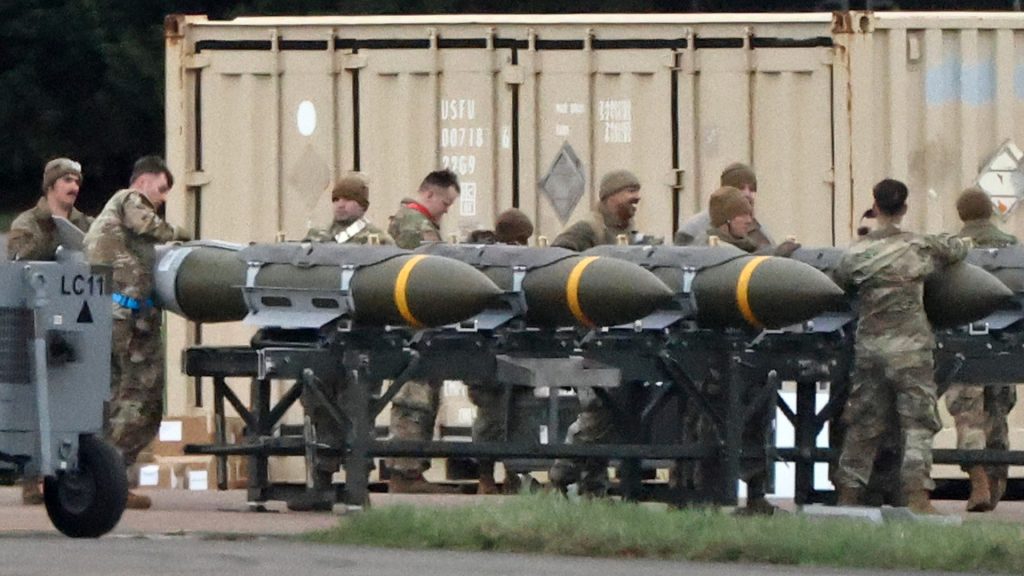
Social media reports suggested that U.S. Air Force personnel were given steak and lobster for their “last supper” prior to mission deployment. The image of Trump surrounded by Protestant Evangelical Christian Zionist leaders, reciting prayers for an American and Israeli victory over the populations they targeted, underscored the administration’s promotional messaging.
“This was a war for Armageddon and would bring about the return of Jesus.”
Yet the situation also reveals a deepening rift within American right-wing politics. On one side are Evangelical Christians and Jewish Zionists advocating for confrontation with Iran and the Palestinians; on the other are right-wing Christians who view the U.S. as being drawn into conflicts in support of Israel. Progressives on the left, including Jewish legislators like Congresswoman Sara Jacobs, argue that Israel has maneuvered the U.S. into war, rather than seeing it as an extension of the aggressive policies of American financial elites.
Despite claims that figures like Sheldon and Miriam Adelson, Bernard Marcus, and Paul Singer have driven U.S. hostility toward Iran, their influence is often overstated. Major defense contractors and energy firms such as Palantir, Lockheed Martin, Exxon, Raytheon, and Boeing derive substantial benefits from the war, suggesting their alignment with U.S. interests rather than Israeli ones.
Right-wing critics frequently blame Israel for “controlling” Washington’s foreign policy, sidestepping the role of American imperialist ambitions. The close ties between Israel and the U.S. military-industrial complex indicate a partnership where the latter has outsourced key operations to a reliable ally, not a dominant force.
Recent remarks by Secretary of State Marco Rubio were interpreted by both MAGA and left-wing factions as evidence that Israel had compelled the U.S. to escalate the conflict. However, this overlooks the fact that Israel relies heavily on American weapons supplies. Washington could have prevented the attack, but chose to endorse and coordinate with Israeli plans instead.
Not a single Arab regime publicly condemned the U.S.-Israeli assault on Iran, with Oman being the sole exception, calling it a “violation of international law.” Only the Yemeni Ansar Allah (Houthis) extended condolences for the killing of over 170 Iranian schoolgirls and staff in Minab, or for the assassination of Ayatollah Ali Khamenei and his family.
Even Turkish President Recep Tayyip Erdogan offered sympathy to Iran, while Arab governments remained silent. Iranian officials highlighted this contrast during discussions with Egyptian and Turkish counterparts working to ease tensions in the region.
