A uniquely bipartisan backlash against data centers shakes up the midterms

Daftar Isi
Midterm Candidates Converge on One Unlikely Common Enemy: The Data Center
Earthguardiansonline.com – A quiet infrastructure project that once went unnoticed in American politics has become one of the most potent campaign weapons of the 2026 midterm cycle. From farm towns in Michigan to suburban counties in Missouri, candidates across the ideological spectrum are staking their campaigns on opposition to the sprawling computing facilities that power artificial intelligence. The phenomenon is not a partisan talking point. It is, by nearly every measurable indicator, a genuinely bipartisan revolt against a specific type of industrial development.
The Numbers Behind the Backlash
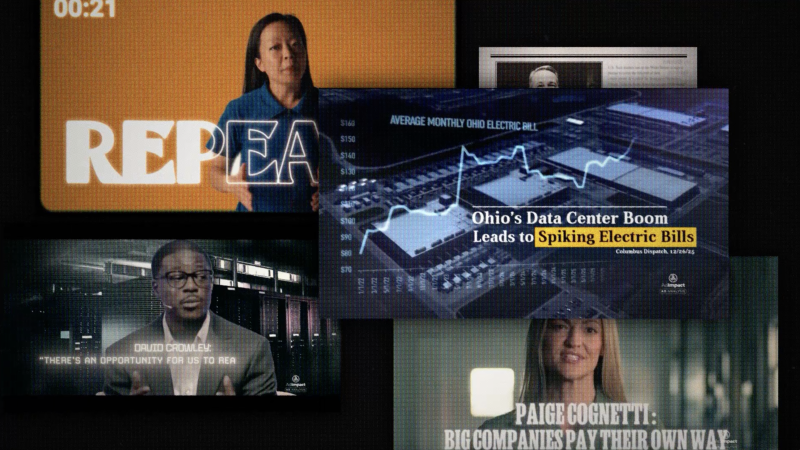
Ad-spending trackers at the firm AdImpact have logged more than $31 million in broadcast political advertising that references data centers since the start of this year. The pace accelerated sharply last month, when data-center- or AI-related spots consumed over 8% of all campaign dollars flowing through television airtime. A year earlier, that figure sat below 1%. The directional skew of the spending is almost total: more than 99% of this year’s data-center-related ad dollars went to spots criticizing AI infrastructure projects, not promoting them.
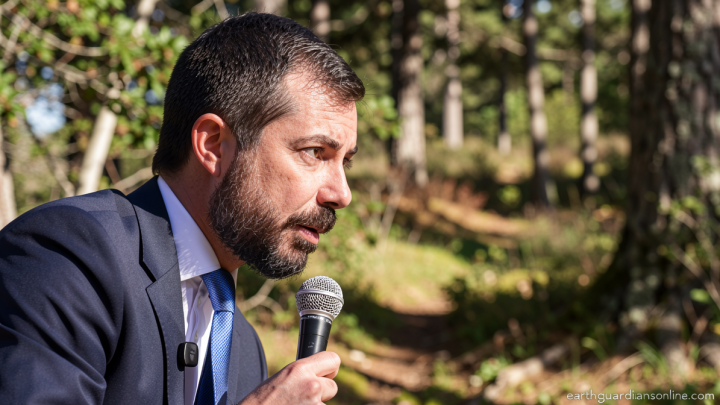
The ads have appeared in races at every level of government. In Michigan, a congressional candidate stood in a working farm field and warned viewers that the land behind him faced replacement by what he called
“a massive data center that’ll jack up our energy bills and ruin our home values.”
In a suburban Missouri county, both leading Republican candidates for the executive seat poured their entire television ad budgets into vowing to halt data-center construction, each accusing the other of being beholden to developers. In Wisconsin and California, two candidates who happen to share a first name have both been taunted by opponents as “Data Center David,” a nickname that has stuck in local media coverage.
Why the Issue Cuts Across Party Lines
The political resonance is not accidental. Data centers are hyper-local: they consume land, draw enormous power loads, and sit within sight and hearing distance of ordinary households. That proximity makes them a natural wedge issue that transcends traditional left-right fault lines.
“Data centers have picked up a unique bipartisan opposition in large part because they are so local as an issue,” said Daniel King, a research fellow at the Foundation for American Innovation. “Regardless of where party lines fall at the national level or on larger issues, both sides have been able to really pick up the spike.”
Clifford Young, chair of the research firm Ipsos Public Affairs, framed the phenomenon in even blunter terms:
“It isn’t intrinsically a right or left issue. It’s a boogeyman for everyone. It plays into this underlying belief that the system is broken.”
Public Sentiment Has Shifted Tectonically
The polling record confirms that candidate rhetoric is tracking a real change in voter attitudes rather than manufacturing one. A Fox News poll conducted in July found that 70% of voters oppose building data centers in their own area to support AI. A Reuters/Ipsos survey from June showed 59% of adults would oppose a data center being constructed within ten miles of their home. Pew Research, in a survey released this month, reported that 52% of Americans say they are more concerned than excited about the increased use of AI in daily life, up from 37% in 2021, with a large majority expecting AI to reduce the number of available jobs.
Until recently, none of this translated into political advertising. AdImpact’s database shows that in 2024 there was not a single broadcast television election ad that mentioned data centers. Through most of 2025, only a handful did, and those appeared almost exclusively in down-ballot state races. The tectonic shift arrived over the past year, driven by growing skepticism toward the industry, anxieties over property rights, environmental-impact worries, and above all the visible spike in utility bills.
The Infrastructure Boom and Its Cost
Behind the political fight sits a construction wave of staggering scale. Big technology companies are committing hundreds of billions of dollars to new computing infrastructure. The tracking firm Cleanview counts more than 2,000 data centers currently in planning stages across the country. These facilities house powerful computing chips that are markedly more energy-intensive than prior generations of hardware. Goldman Sachs projects that the resulting load could push national electricity bills up by roughly 6% over the coming year, with the sharpest increases falling on communities located near the new sites.
Industry Responds – But Not Directly
Facing the onslaught of negative advertising, interest groups tied to the AI industry have moved quickly to inject millions of dollars into key races, federal election records show. Yet a review of those industry-funded spots reveals a striking pattern: they rarely discuss AI or data centers at all. One major super PAC, funded in part by an OpenAI executive, purchased millions of dollars in broadcast advertising this year without mentioning AI or data centers in any of its spots. The messaging strategy appears to be one of general pro-business or anti-regulation framing rather than direct engagement with the infrastructure question voters are asking.
Legislative and Electoral Implications
The political pressure is already reshaping policy conversations. Major lawmakers who face no immediate electoral challenge are nonetheless tacking toward more restrictive permitting rules for data centers or even temporary moratoriums on new construction. In the lead-up to what promises to be a bruising midterm contest for control of Congress, the ad-spending data points to a frantic rush by both parties to position themselves correctly on what has become a critical jump-ball debate. The issue has moved from the margins of local planning hearings to center stage in some of the most consequential Senate and House races on this year’s ballot.
For voters watching the midterms unfold, the data-center question now functions as a litmus test: it reveals which candidates intend to treat local energy costs, property rights, and environmental review as negotiable in the name of technological momentum, and which intend to insist that no single industry project should override the daily economic reality of the people living next door.
Related Reading
Frequently Asked Questions
What is A uniquely bipartisan backlash against data?
A uniquely bipartisan backlash against data is the main topic of this guide. The article explains the context, practical details, and next steps readers should understand.
Why does A uniquely bipartisan backlash against data matter?
A uniquely bipartisan backlash against data matters because readers are looking for a useful answer, not just a short summary. Good content should match search intent and help them decide what to do next.