
Advisers debate Trump’s primetime election speech amid fears of continued campaign to sow mistrust
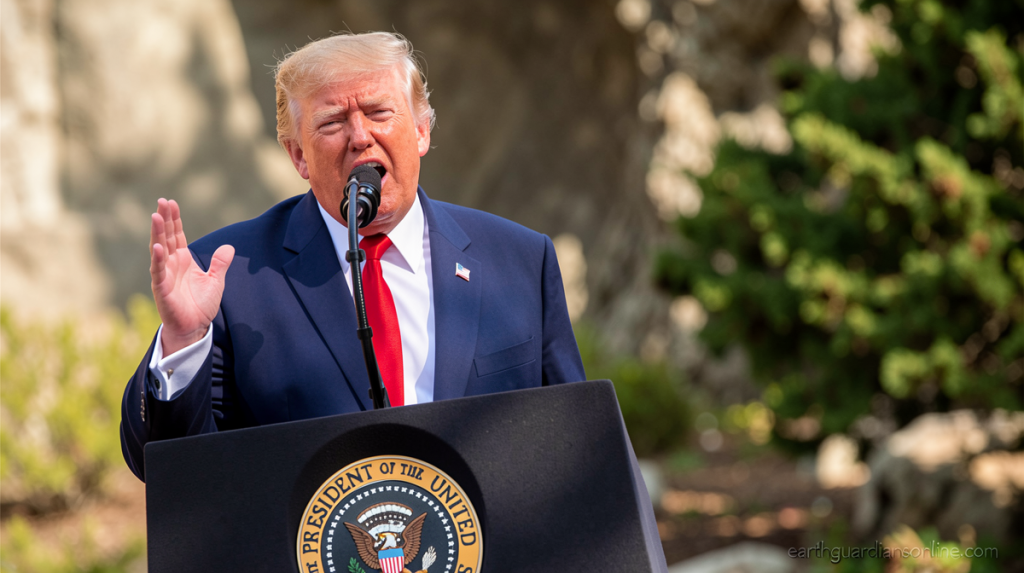
Trump Prepares Primetime Address on Election Interference Amid Growing Concerns
Speech Focuses on Foreign Influence and Document Release
Advisers debate Trump s primetime election – President Donald Trump is anticipated to deliver a significant primetime address on Thursday, where he plans to present what he characterizes as fresh evidence regarding international attempts to shape American electoral outcomes. This development represents the most recent phase in what numerous election experts have identified as an ongoing initiative designed to generate skepticism and potentially diminish the legitimacy of his 2020 defeat. The core content of the presidential remarks has remained tightly guarded, with advisors engaging in vigorous discussions about which elements should feature prominently, according to individuals knowledgeable about the preparations.
Concurrently with the speech, White House officials have been evaluating whether to make public a substantial collection of documents covering various subjects, with particular emphasis on China’s involvement in American electoral processes. Certain of these materials originate from intelligence collected throughout Trump’s initial presidency, which he and allied officials contend was deliberately withheld from public view.
The president is also slated to address alleged weaknesses within the nation’s electoral infrastructure, with particular attention directed toward voting equipment. Earlier this week, Trump indicated that the upcoming address would feature a substantial declaration concerning election security measures. He emphasized the importance of electoral integrity, stating:
“It doesn’t get bigger, because without free and fair elections, you don’t have a country.”
Task Force Works to Support Fraud Claims
A considerable undertaking has been progressing within the administration over recent weeks aimed at discovering intelligence materials capable of bolstering Trump’s assertions regarding extensive electoral fraud and foreign interference. A dedicated task force, operating under the guidance of conservative author John Solomon, has been actively searching for documents suitable for declassification and public dissemination. However, not every administration official supports this initiative. Some express concern that releasing broad categories of information might create confusion regarding American voting security and potentially weaken public confidence in electoral systems.
Additionally, certain officials worry that the released information could threaten ongoing intelligence gathering operations. The allegations concerning Chinese interference in American elections are not entirely unprecedented. Secretary of State Antony Blinken noted in 2024 that American authorities had observed evidence of Chinese efforts to “influence and arguably interfere” with forthcoming US elections, despite a prior pledge from Chinese leader Xi Jinping to refrain from such actions.
Contradictions Emerge Regarding 2020 Election Findings
When examining the 2020 presidential contest—which Trump has consistently and inaccurately claimed to have won—the US intelligence community published an assessment concluding that the Russian government participated in an influence campaign that “denigrated” President Joe Biden while “supporting” Trump. The report explicitly stated that China did not interfere and “considered but did not deploy influence efforts intended to change the outcome of the US Presidential election.”
This intelligence conclusion directly contradicted statements made by Trump and various administration members, including former Attorney General William Barr and former national security adviser Robert O’Brien, who had suggested that China was engaging in more aggressive electoral interference than either Russia or Iran.
Trump’s rejection of the 2020 election results has proven so forceful that his own staff members remain hesitant to publicly acknowledge the outcome. Jay Clayton, Trump’s nominee for director of national intelligence, notably paused during a Wednesday confirmation hearing before acknowledging that Joe Biden won the 2020 presidential race—a conclusion that Trump continues to dispute. During the hearing’s closing moments, Clayton confirmed to Vice Chair Mark Warner, a Virginia Democrat, that Biden had been “fairly and duly elected under our process.”
State Officials Prepare for Potential Speech Impact
As the president prepares to speak Thursday evening, multiple state election administrators—including representatives from the 2020 competitive states that served as primary targets of Trump’s criticism—will participate in a dinner gathering at Mount Rushmore. This event forms part of an annual summer conference organized by the National Association of Secretaries of State. Several attendees expressed apprehension that Trump might generate uncertainty regarding upcoming elections.
Conference participants have been exchanging theories about potential claims while developing strategies for appropriate responses. Washington Secretary of State Steve Hobbs, a Democrat who will assume the presidency of NASS later in the week, shared his concerns with CNN:
“We’re very nervous, because we don’t know what he’s going to say.”
Hobbs added:
“I mean, we can assume that he’s gonna say certain crazy things.”
Iowa Secretary of State Paul Pate told CNN that he intended to minimize his attention to the speech during the dinner event, though he acknowledged the importance of being prepared for whatever revelations might emerge.
“We”
The gathering represents a critical moment for state election officials who must balance their professional responsibilities with the need to maintain public confidence in electoral processes. Many officials have spent considerable time reviewing historical patterns of presidential rhetoric regarding elections and developing contingency plans for various scenarios. The upcoming address will likely set the tone for discussions about electoral integrity that could extend well beyond the immediate political moment.
