
An airport search, a wiped phone and a potential test of Fourth Amendment protections
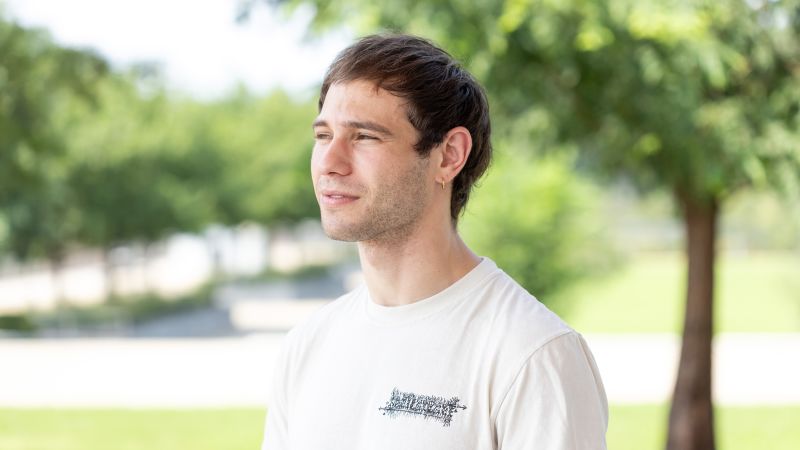
Border Search Case May Reshape Fourth Amendment Rights at U.S. Entry Points
Earthguardiansonline.com – A legal challenge emerging from Atlanta’s international airport could fundamentally alter how Fourth Amendment protections function at American borders. Sam Tunick, a United States citizen and prominent activist, alleges that federal officers conducted an extensive search of his belongings and digital devices without proper authorization or probable cause.
The Incident at Hartsfield-Jackson
According to court documents and witness accounts, the confrontation unfolded in January 2026 when Tunick arrived from a vacation in the Dominican Republic. Border Patrol agents, working alongside FBI personnel, detained the activist in a small processing room. Despite Tunick’s vocal objections and repeated requests to speak with legal counsel, officers proceeded to examine his luggage, personal diary, and electronic devices.
Tunick has been actively involved with the Stop Cop City movement, a coalition that fought against the establishment of an 85-acre law enforcement training facility in Georgia. That center officially opened in April 2025 after years of controversy and demonstrations.
When questioned during the detention, Tunick declined to provide answers. Officers then requested access to his smartphone. Prosecutors allege that Tunick responded by entering a passcode that erased the device’s contents. This action led to criminal charges filed that November, specifically one count of destroying property to prevent seizure. Tunick entered a not guilty plea and has faced no additional accusations since.
Conflicting Claims About the Search
“They were unequivocal that no, we had no reason to think that was applicable to Sam, it was part of our shtick to sort of get him to open up,” Tunick’s attorney Matthew Dodge told CNN.
Legal representatives for Tunick maintain that CBP agents initially informed him they suspected he possessed child pornography before demanding phone access. However, during a recent evidentiary hearing focused on suppressing evidence gathered during the search, CBP officers conceded they had no legitimate basis for that suspicion.
Despite Tunick’s clear refusal to consent to the search, officers continued examining his personal effects. Tunick reportedly handed officers his lawyer’s business card multiple times during the encounter. One agent allegedly stated that because Tunick exercised his right to remain silent, officers possessed the authority to search his phone to discover relevant information.
Legal Implications and Expert Analysis
Constitutional scholars and legal experts suggest this case may establish important precedent regarding Fourth Amendment protections at border locations. These protections typically prohibit warrantless searches and seizures unless authorities demonstrate probable cause.
“It’s not that the Fourth Amendment doesn’t apply at the border,” white-collar criminal defense attorney Paul Calli told CNN. “It’s that there’s no requirement for reasonable suspicion, like there would be not at the border.”
Tunick’s legal team argues that their client was never informed of his Miranda rights and was denied the opportunity to have an attorney present during questioning. They contend the search was motivated by Tunick’s activism rather than legitimate investigative purposes.
“Sam’s big interest here was protecting his privacy, not hiding evidence of wrongdoing,” Dodge said.
Cop City Background and CBP Response
The Stop Cop City movement gained national attention during the construction of the training facility. The site became a focal point for demonstrations, occasionally escalating into violent confrontations between protesters and law enforcement. Authorities subsequently charged numerous activists connected to the protests.
In January 2023, police officers shot a man 57 times after he allegedly fired weapons at officers near the facility. These events helped galvanize the activist community that Tunick represents.
When contacted about Tunick’s case, CBP issued a statement reaffirming its authority to examine electronic devices belonging to anyone entering or departing the United States, regardless of citizenship status. The agency emphasized that searches target laws addressing terrorism, child exploitation, drug smuggling, human trafficking, visa fraud, and national security concerns.
The CBP statement further noted that border searches only examine information present on devices at the moment of inspection. According to agency data, fewer than 0.01 percent of international travelers had their electronic devices searched during Fiscal Year 2025.
Legal observers believe cases like Tunick’s may ultimately define the boundaries of CBP’s search authority and strengthen Fourth Amendment protections for travelers at American entry points.
Related Reading
Frequently Asked Questions
What is An airport search a wiped phone?
An airport search a wiped phone is the main topic of this guide. The article explains the context, practical details, and next steps readers should understand.
Why does An airport search a wiped phone matter?
An airport search a wiped phone matters because readers are looking for a useful answer, not just a short summary. Good content should match search intent and help them decide what to do next.
