
DC experiences ‘Code Red’ air quality after massive fireworks display
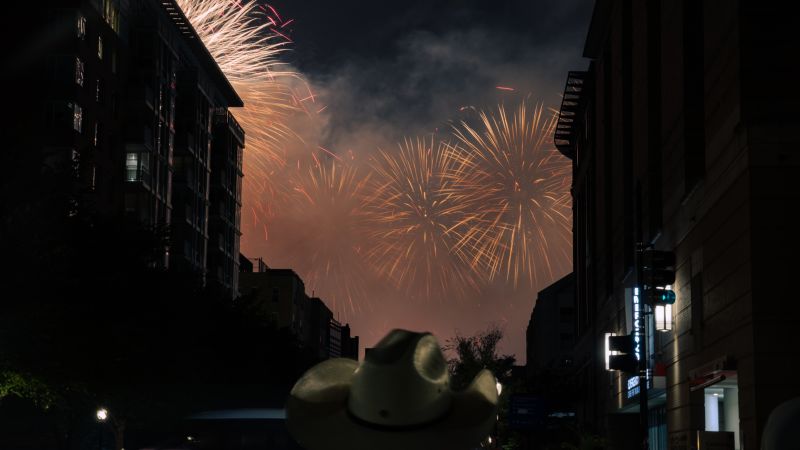
DC Experiences ‘Code Red’ Air Quality After Record-Breaking Fireworks Display
DC experiences Code Red air quality – Washington, DC, faced one of the most severe air quality crises in recent history on Sunday, briefly ranking as the city with the worst pollution levels globally, according to IQAir, a leading global air quality monitoring service. The deteriorating conditions were attributed to a massive Fourth of July fireworks event organized by Freedom 250, a nonprofit aligned with former President Donald Trump. The display, which lasted 40 minutes, left the city grappling with unhealthy air, prompting officials to issue a Code Red alert. This designation, part of the Air Quality Alert system, warns that the atmosphere poses health risks to vulnerable groups such as the elderly, children, and individuals with preexisting conditions.
Heatwave and Environmental Impact
Amid the extreme heat wave that gripped the Northeast, including Washington, DC, the air quality worsened further. On Saturday, the district recorded a high temperature in the triple-digit range, creating conditions ripe for thunderstorms. These storms led to the evacuation of the National Mall before the fireworks show. While the rain forecasted Sunday evening offered a glimmer of hope, it also intensified the concentration of pollutants in the air. Dr. Kisha Davis, chief health officer of Montgomery County, Maryland, warned that the combination of heat and fireworks could create a dangerous mix for residents.
“The air quality today is like running a marathon while smoking a cigarette,” Davis remarked before the display. “It’s already challenging, and the 850,000-firework spectacle around the National Mall will only make things worse.”
The fireworks event was designed to surpass previous records, with hundreds of thousands of shells launched from 10 locations, including the Lincoln Memorial Reflecting Pool, Potomac River barges, and West Potomac Park. The National Special Security Event Joint Information Center, which oversees events marking the nation’s 250th anniversary, noted that the display aimed to set a new Guinness World Record. This benchmark was previously held by a 2016 New Year’s Eve celebration in the Philippines, which involved 810,904 fireworks. The DC display was projected to be approximately 10 times larger than Macy’s annual Fourth of July show in New York City, typically considered the largest Independence Day event in the country.
Despite the record attempt, no official confirmation had been made by Sunday that the display had achieved the title. CNN had reached out to Guinness World Records for clarification. Meanwhile, internal National Park Service documents, obtained by The Washington Post, indicated that the fireworks could lead to “very unhealthy” air conditions in central DC. The report urged the public to limit exposure and advised outdoor spectators to wear N95 masks to filter out harmful particulates.
Health and Safety Concerns
The health implications of the event became evident as the Fire and EMS Department reported 96 patient contacts and 40 transports from the National Mall between midnight Friday and 9 a.m. Sunday. George Washington University noted 289 patient interactions on Saturday evening, while the Department of Health and Human Services documented 314 cases. While the exact causes of these incidents remain under investigation, some were likely linked to the heat and air pollution generated by the fireworks.
Residents were advised to minimize outdoor activity during the Code Red alert. The alert, which began in the early hours of Sunday, emphasized the heightened risk of respiratory issues and other health complications. The National Park Service’s internal documents highlighted the potential for widespread impact, with warnings that the pollution levels could linger even after the display concluded. However, the possibility of rain provided a temporary reprieve, as Davis explained that “the rain does push all of those chemicals and pollutants into the water system, but they are at least out of the air.”
The event’s scale and timing were carefully planned to maximize visual impact. With the National Mall as a central hub, the fireworks were expected to draw thousands of spectators. Yet, the environmental toll was significant, with air quality indices spiking to dangerous levels. The firework display, which followed a 40-minute address by President Trump, was celebrated as a spectacle, though its health consequences sparked debate among experts. Trump, who had delivered his remarks earlier in the evening, praised the show on social media, calling it “the Most Spectacular Fireworks Show I have ever seen, and I’ve seen them all.” He added, “Congratulations on a job well done!”
As the city recalibrated to the aftermath, officials focused on mitigating the effects of the polluted air. Public health agencies and environmental organizations monitored the situation closely, assessing the long-term implications of the event. The episode underscored the delicate balance between celebrating national milestones and addressing their environmental costs. While the fireworks drew admiration, they also served as a stark reminder of the impact such large-scale events can have on urban air quality.
Residents and visitors alike were encouraged to take precautions, with recommendations to stay indoors or use protective measures when venturing outside. The incident also sparked conversations about the need for sustainable event planning, particularly in regions already vulnerable to heat and air pollution. As the National Mall returned to normalcy, the focus shifted to recovery efforts and the ongoing evaluation of public health responses to similar challenges in the future.
The aftermath of the display highlighted both the grandeur of the event and its consequences. While the fireworks offered a dazzling celebration of independence, they also contributed to a temporary but significant environmental crisis. The Code Red alert, combined with the heatwave, created a perfect storm of conditions that tested the city’s resilience. As the dust settled, the discussion around air quality, public health, and the role of large events in urban environments continued to gain momentum.
