Dinner at Versailles, alpine air and an Iran agreement: How Trump made it through another G7

Dinner at Versailles, Alpine Air, and an Iran Agreement: Trump’s G7 Strategy Holds
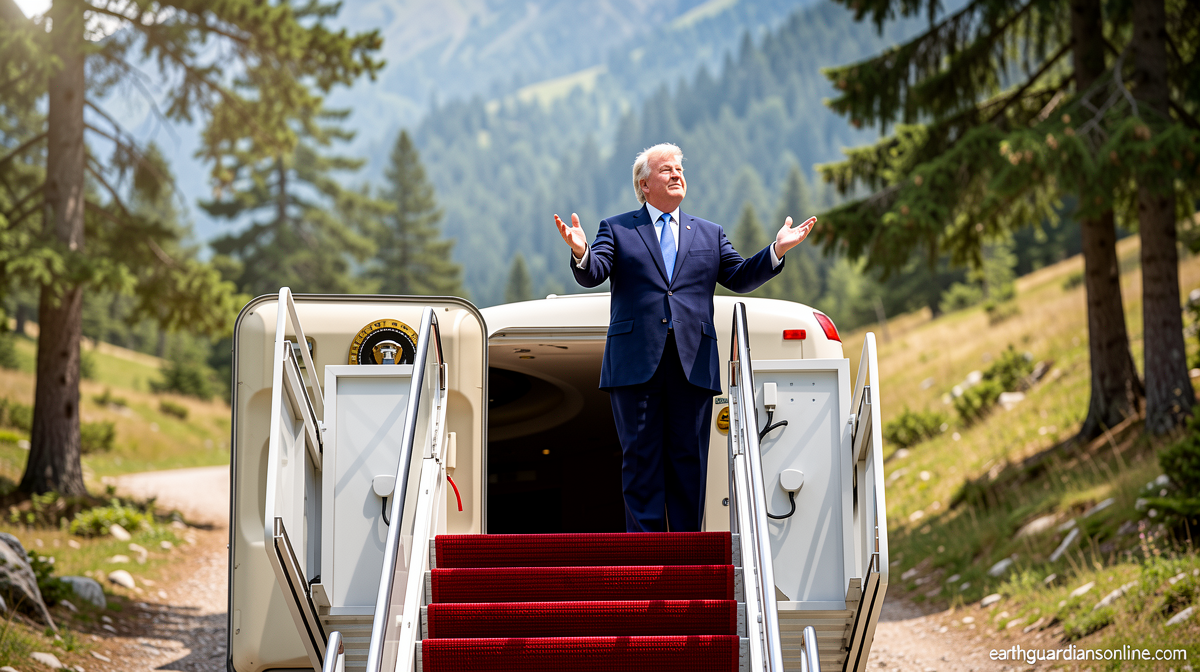
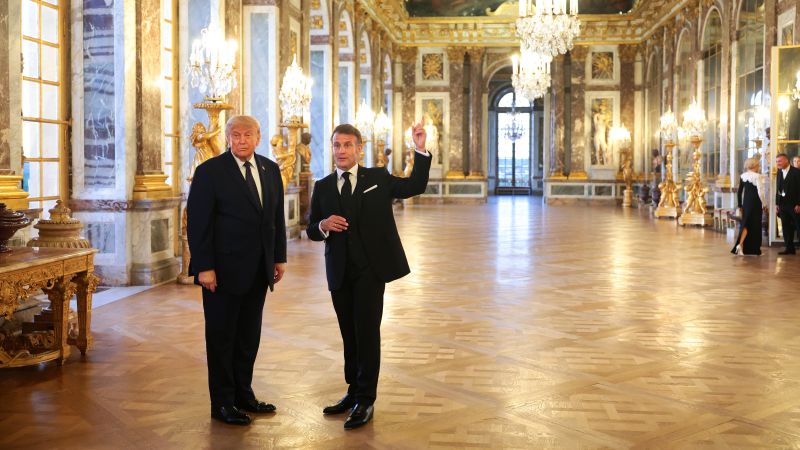
Dinner at Versailles alpine air — This week, Donald Trump’s G7 summit participation offered a rare glimpse of stability. For the first time since his presidency began, the former president attended the entire event, a decision that marked a strategic shift. While he joked about the weather and the warmth of the venue, the leaders managed to maintain focus on key issues, including the Iran agreement and the geopolitical tensions in Ukraine. The choice of Versailles, known for its opulent setting, and the inclusion of alpine air in the French setting underscored the symbolic importance of the gathering.
The Iranian Deal and Its Political Weight
Trump’s secret negotiations on the Iran agreement became a central theme of the summit. The deal, signed days before the event, aimed to stabilize oil markets and ease sanctions, a move praised by European allies. Though some questioned its details, the pact represented a crucial step in bridging U.S.-European divides. Trump, ever the self-promoter, framed the agreement as a breakthrough, highlighting its potential to reshape global energy dynamics. His presence at the summit, punctuated by the dinner at Versailles alpine air setting, suggested a calculated effort to align with his counterparts.
Macron’s Diplomatic Calculus
French President Emmanuel Macron’s strategy to keep Trump in Versailles proved pivotal. Unlike previous G7 events where the U.S. leader often left mid-meeting, this time he stayed for the final sessions. Macron’s team had anticipated Trump’s tendency to withdraw, but the dinner at Versailles alpine air provided a subtle incentive to remain. The event’s cultural ambiance, from the historic palace to the traditional French cuisine, appeared to influence Trump’s demeanor, with reports of him engaging more thoughtfully in discussions. This shift, however, did not eliminate the underlying tensions in his dealings with European leaders.
The G7 summit’s agenda included Ukraine, where Trump’s sharp language in the joint statement surprised many. While he had previously criticized NATO allies, his condemnation of Russia’s invasion during the Versailles dinner hinted at a softer approach. This contrast to his 2018 summit, where he famously tore up a declaration, signaled a nuanced evolution in his diplomatic tactics. Yet, the dinner at Versailles alpine air was not without its own challenges, as Trump’s energy was visibly strained after a grueling overnight flight.
Behind the scenes, Trump’s influence on the Iran agreement remained undeniable. Officials noted his insistence on defending the deal as a “real deal,” despite its complexities. The pact, while imperfect, had the potential to stabilize markets and mend fractured alliances. Even as he championed the agreement, his interactions with Macron during private meetings were described as “periodically tense,” revealing the delicate balance of power at play. The dinner at Versailles alpine air served as a backdrop to these strategic maneuvers, blending tradition with modern political intrigue.
Trump’s physical and mental stamina at the summit was a topic of discussion. Arriving in France after a 2 a.m. departure from Washington, he appeared fatigued but composed. His 70-minute press conference two days later, though long, showcased his ability to maintain a polished facade. The dinner at Versailles alpine air had been a respite, allowing him to recover and reframe his message. Critics noted that his focus on the Iran agreement and the Versailles setting was a masterstroke, ensuring his voice remained central to the summit’s narrative.
As the G7 concluded, Trump’s attendance left a lasting impression. The dinner at Versailles alpine air and his engagement on key issues suggested a rare alignment with his allies. While the summit did not resolve all conflicts, it marked a turning point in how Trump was perceived in international diplomacy. His ability to stay for the entirety of the event, despite his history of abrupt exits, hinted at a more measured approach in his later years. The legacy of Versailles, with its royal history and cultural depth, seemed to mirror the gravity of the moment.