
E. Jean Carroll, and the unmistakable pattern of Trump’s retribution campaign
E. Jean Carroll, and the unmistakable pattern of Trump’s retribution campaign
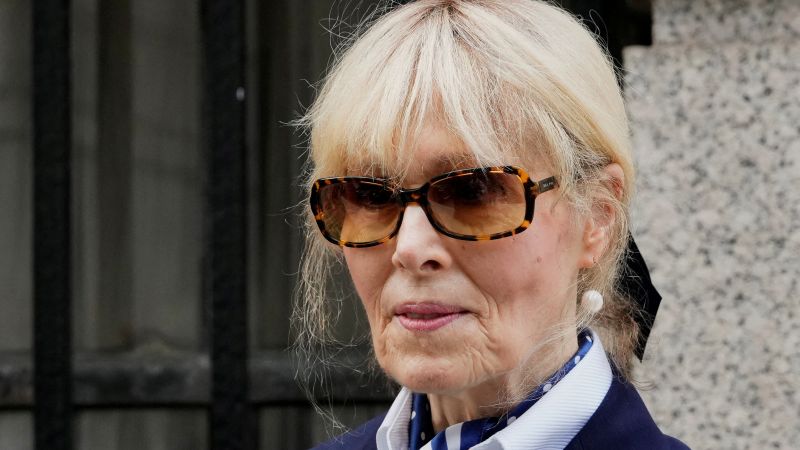
E Jean Carroll and the unmistakable – Acting Attorney General Todd Blanche has emphatically dismissed claims that the Justice Department is aiding President Donald Trump in a retribution effort against his political adversaries. Yet, the mounting evidence points to a clear pattern suggesting otherwise. CNN’s recent revelation that the DOJ is examining E. Jean Carroll—former magazine columnist and plaintiff in Trump’s sexual abuse and defamation lawsuits—adds to this growing body of data. The investigation into Carroll, who successfully sued Trump in 2025, raises questions about whether the administration is systematically targeting individuals who have challenged the former president legally.
A Systematic Approach to Accountability
Carroll’s case exemplifies a recurring theme: Trump’s DOJ has initiated probes into key figures linked to his most significant legal battles. The timing of these investigations, occurring within the first 16 months of the second Trump administration, has sparked speculation that they are not coincidental. While it may seem remarkable that those involved in Trump’s previous legal issues are now facing scrutiny, the consistency of the pattern suggests a calculated strategy. Legal experts note that the allegations against these individuals often lack substantial backing when examined closely, yet they continue to draw the DOJ’s attention.
The case against Carroll centers on whether she committed perjury during her civil lawsuits. These suits, which alleged sexual abuse and defamation, were pivotal in holding Trump accountable for his actions. Her legal team has yet to respond to the DOJ’s inquiry, leaving the case in limbo. Meanwhile, Trump has appealed the sexual abuse verdict to the Supreme Court, signaling his intent to challenge the ruling further. The timing of the DOJ’s involvement, with Blanche recused due to his prior role as Trump’s attorney in the appeals, has fueled skepticism about the department’s impartiality.
From Civil Lawsuits to Criminal Investigations
The pattern of retribution extends beyond civil cases. New York Attorney General Letitia James, who secured a major civil fraud judgment against Trump in 2024, has since faced criminal charges tied to alleged mortgage fraud. These charges were later dismissed due to procedural issues, yet the DOJ pursued re-indictments twice. Even after the initial indictment was thrown out, the agency continued to investigate James, highlighting a persistent focus on her role in the case.
Similarly, former FBI Director James Comey and CIA Director James Brennan, both central to the Russia investigation during Trump’s first term, have been scrutinized for their conduct. Comey was indicted for perjury in 2025, only for the charge to be dismissed for the same reasons as James’s case. In a separate move, the DOJ recently re-indicted Comey for a different alleged wrongdoing—accusations of threatening Trump’s presidency. This shift underscores a strategy where individuals linked to high-profile investigations are targeted with new charges, often before the original ones are resolved.
Brennan’s case also reflects this trend. Prosecutors have been examining his potential testimony about the Ukraine whistleblower complaint for months, with the White House eager to find grounds for criminal action. Despite lingering doubts among legal analysts, the DOJ continues to pursue these allegations, illustrating a pattern of using investigative pressure to challenge opponents.
Targeting Congressional Critics
The retribution efforts are not limited to legal battles. Trump’s administration has also targeted figures involved in congressional investigations and impeachment proceedings. For instance, during his first impeachment, the DOJ probed Democratic Rep. Eugene Vindman and his brother, Alexander Vindman, who was running for the U.S. Senate. The Washington Post reported that interim U.S. Attorney Ed Martin sent letters to the DOJ about their business dealings, even as they were central to the allegations against Trump.
Moreover, the White House has directed investigations into key players in the 2020 election probe. Fani Willis, the Fulton County District Attorney who secured Trump’s and his allies’ indictment in 2023, has been under scrutiny for a trip to the Bahamas. The New York Times reported that the DOJ reviewed a subpoena related to the journey, which Willis’s office described as leadership training funded by private means. This scrutiny has raised concerns about the administration’s efforts to undermine the credibility of those involved in the case.
Political Motives and Legal Precedents
While the DOJ maintains its independence, the repeated targeting of Trump’s critics has led to accusations of political bias. The department’s approach appears to follow a two-pronged strategy: first, investigating individuals for alleged misconduct, and second, using these probes to pressure them into compromising their positions. This tactic has been seen in the case of Jack Smith, the special counsel who secured Trump’s federal indictments. Smith is now under investigation by the Office of Special Counsel for potential violations of the Hatch Act, which restricts political activities by government officials. Though the two “special counsels” are distinct in function, the overlap in their roles has drawn comparisons between their approaches.
Legal analysts argue that the DOJ’s focus on these individuals often coincides with the administration’s political goals. For example, the recent re-indictment of Comey for a separate alleged threat against Trump has been criticized as a move to distract from the original Russia investigation. Similarly, the prolonged examination of Brennan’s testimony suggests an effort to delay or weaken the case against Trump. These actions, while framed as part of the justice system, have increasingly been viewed as a tool for political retaliation.
Ultimately, the pattern of Trump’s retribution campaign reveals a deliberate strategy to neutralize critics through legal channels. Whether through civil lawsuits, criminal investigations, or congressional probes, the DOJ has been implicated in a broader effort to hold Trump’s enemies accountable. The question remains: are these investigations driven by merit, or are they a calculated attempt to reshape the narrative of Trump’s legal battles? As the cases continue to unfold, the answer may depend on the evidence that emerges in the coming months.
“It’s absolutely not true that the Justice Department is assisting Trump in a retribution campaign,” said Acting Attorney General Todd Blanche, emphasizing the department’s commitment to impartiality. However, the sequence of events involving Carroll, James, Comey, and others has left many to question this assertion.
The administration’s approach has also seen a shift in focus, with some investigations targeting figures who were once allies. This duality—chasing both past and present opponents—has further complicated perceptions of the DOJ’s role. As these cases progress, they may serve as a template for future political accountability, whether in Trump’s favor or against him. The unfolding narrative underscores the delicate balance between justice and political influence in the current legal landscape.
