
Graham Platner drops Maine Senate bid, clearing way for Democrats to pick new nominee
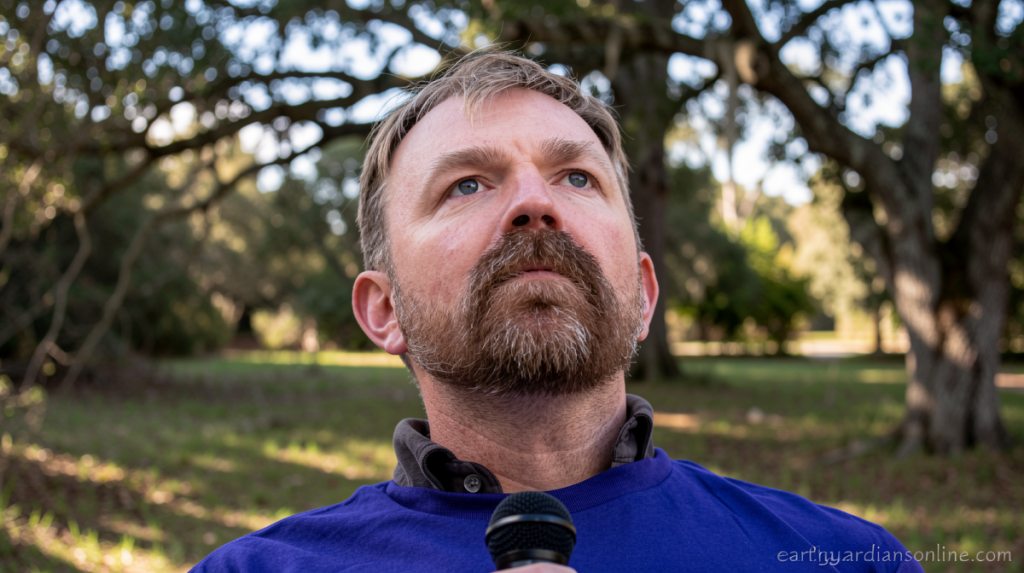
Graham Platner Withdraws from Maine Senate Race Over Assault Claims
Democratic Nominee Steps Aside to Clear Path for New Candidate
Graham Platner drops Maine Senate bid clearing – Graham Platner has officially suspended his campaign for the U.S. Senate in Maine, announcing his decision through a video message on Wednesday. The Democratic nominee cited both personal allegations and political pressures as reasons for his withdrawal, opening the door for party leaders to select a replacement before the July 13 ballot deadline. This development reshapes one of the most closely watched Senate contests heading into November’s midterm elections.
The decision comes after a woman came forward with allegations that she was raped nearly five years ago while Platner was heavily intoxicated. According to her statement to CNN and Politico, the incident took place during a casual romantic relationship. Throughout the controversy, the candidate has consistently denied wrongdoing.
Challenging Political Establishment Tactics
In an eleven-minute video posted to X, the former congressman outlined his reasoning for stepping back from the race. “We believe that for the movement to continue it can’t be me — and for that reason we are suspending campaign operations,” he said, adding that formal withdrawal paperwork would follow. Much of his message targeted what he characterized as establishment maneuvering designed to weaken his campaign.
“It’s not the false allegations though that have brought us to where we are. It’s the fact that they are being used by the political establishment to put structural pressure on us. We live in a political system that is not built for normal people. It is a system built structurally to make sure that movements like ours cannot flourish,” he declared.
He argued that influential party figures are using the accusations as leverage to cut off vital campaign resources, including fundraising access and voter database connectivity. While his name remains on the ballot, he insisted the seat belongs to Maine voters, not to any single individual.
“My name might be on the ballot right now, but that ballot line belongs to the people of Maine, and on November 3, it needs to belong to the people of Maine, and the next Democratic senator for Maine needs to belong to the people of Maine,” he concluded.
Staff Reaction and Next Steps
As the announcement spread across social media Wednesday evening, campaign staff were notified through a virtual meeting. Witnesses described the candidate as composed, though his voice occasionally cracked with emotion. Several younger team members were visibly emotional, with tears in their eyes.
The timing aligned with Maine’s July 13 cutoff for candidates to withdraw from the general election ballot. State Democrats now have fourteen days to nominate a replacement contender to face Republican incumbent Susan Collins.
High Stakes for Democratic Senate Hopes
Maine’s Senate race carries significant weight for Democratic efforts to capture a chamber majority in November. The party needs a net gain of four seats, with many expected victories anticipated in traditionally Republican areas. Despite previous losses by well-funded challengers, party officials remain hopeful, citing a potentially favorable national environment and the fact that Kamala Harris won Maine by nearly seven points in 2024.
The candidate’s support had already begun eroding earlier in the week following additional claims from Jenny Racicot. She alleged that in 2021, he showed up at her home intoxicated despite being asked not to come, then engaged in sexual activity against her repeated objections. Racicot said he knocked over a sewing cabinet during the encounter, leaving a needle in her leg. When questioned the next morning, he claimed no recollection of the incident. Racicot, who chose not to pursue legal action, later ended their relationship and confirmed she viewed the encounter as rape.
In a Monday video, he called the accusations “troubling, serious and false” while acknowledging their political consequences. He also noted that controversies have dogged his campaign from the start, including a skull and crossbones chest tattoo with Nazi symbolism—a detail he said he had only recently recognized. Independent Senator Bernie Sanders of Vermont, one of his closest allies, publicly urged him to step down from the race.
