
Inside the world of Gen Z political influencers, where the money is messy, but the work keeps coming
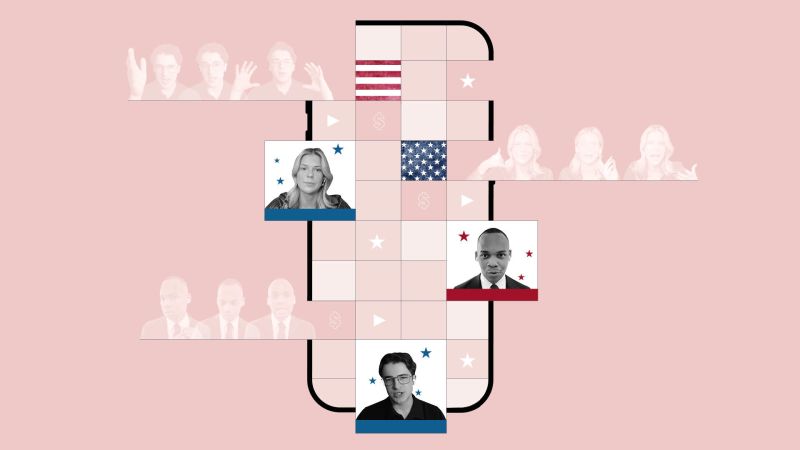
The New Frontier of Youth Political Engagement
Earthguardiansonline.com – Nearly 50 million members of Generation Z will cast ballots this November, according to researchers at Tufts University’s Center for Information and Research on Civic Learning and Engagement. This demographic, defined as individuals born between 1997 and 2012, represents a crucial voting bloc that both major parties are desperately trying to capture. After Republicans and President Donald Trump achieved notable success with younger voters in 2024 through nontraditional media channels, political strategists are now investing heavily in social media personalities and content creators.
From Hobby to Career
Maria Comstock’s trajectory illustrates this transformation perfectly. The 24-year-old didn’t own a mobile phone until turning eighteen. Within twelve months, her follower count surpassed one million. Her observational videos covering workplace dynamics, romantic relationships, and political commentary resonated with audiences and eventually attracted political campaigns seeking relatable voices. What started as a pandemic-era pastime has evolved into a professional pursuit.
However, the landscape remains unpredictable. Comstock describes the environment as chaotic and constantly shifting. Filming, editing, and distributing content requires the same dedication expected from traditional media executives. Clients frequently demand specific messaging, competition among creators intensifies daily, and compensation varies significantly. Perhaps most frustratingly, political allegiances can shift when elections occur.
“Everyone’s a content creator in this day and age,” Comstock explains. “The political work is hard to define both legally, and on campaigns, in payment systems, and it’s just a new world that’s ever, ever evolving – and it gets messy.”
Building an Audience Takes Time
Harry Sisson represents another success story in this emerging field. Now twenty-three years old, he began posting election-related videos six years ago while still too young to vote himself. Initially creating content from his basement during lockdown periods, Sisson watched other teenagers discussing politics and decided to join the conversation. His videos championed then-President Joe Biden and the Democratic Party.
Today, Sisson commands two million followers on TikTok alone. Democratic leaders actively seek his time, and he has even attracted attention from Donald Trump. Last year, the former president shared an artificial intelligence-generated video showing himself dropping sewage from an aircraft onto Sisson and fellow demonstrators at a No Kings rally. His daily routine now involves immediately checking news headlines to identify topics for his YouTube channel, TikTok account, and Instagram profile.
Professional management handles his public appearances, and his personal life receives constant scrutiny. In March 2025, British broadcaster Piers Morgan questioned Sisson about allegations that he solicited multiple women for sexting messages. Sisson apologized for his conduct while maintaining he committed no wrongdoing.
Authenticity Remains Essential
CJ Pearson offers an even earlier perspective on political content creation. The conservative influencer began posting videos in 2015 at just twelve years old after receiving a camcorder for Christmas. Already passionate about politics, Pearson recorded himself enthusiastically supporting Rudy Giuliani while criticizing President Barack Obama. He published the video without hesitation and received two million views within twenty-four hours.
“If you have a script, buy an ad, if you want a story, hi,” Pearson advises, emphasizing the importance of allowing creators creative freedom.
Industry veterans consistently stress that authenticity matters most. Creators must decide whether disclosing financial arrangements undermines their genuine connection with audiences. Payment structures vary widely, and political relationships shift constantly. Not every popular political voice earns a living solely through content creation—some supplement traditional careers while others maintain it purely as a passion project.
“Whether we like it or not, influencers are not going away, and they play a big, big role in how we make sense of politics,” said Jess Rauchberg, a Seton Hall University professor who studies digital culture. “I think at this point we can say influencers also sell us politics.”
As the political landscape continues evolving, these young voices will undoubtedly shape how Americans understand and engage with democracy for years to come.
Related Reading
Frequently Asked Questions
What is Inside the world of Gen Z political?
Inside the world of Gen Z political is the main topic of this guide. The article explains the context, practical details, and next steps readers should understand.
Why does Inside the world of Gen Z political matter?
Inside the world of Gen Z political matters because readers are looking for a useful answer, not just a short summary. Good content should match search intent and help them decide what to do next.
