
Supreme Court allows Texas to require age verification for mobile apps
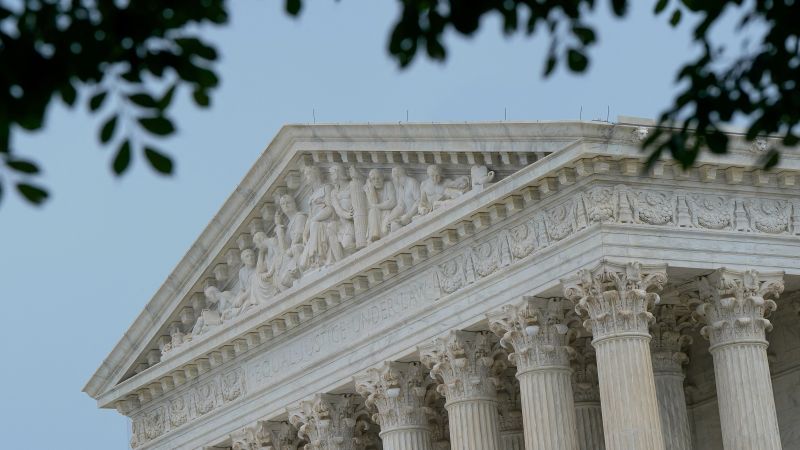
Supreme Court Allows Texas to Mandate Age Verification for Mobile Apps
Law Enables State to Enforce Age-Checking Requirements
Supreme Court allows Texas to require – The U.S. Supreme Court on Monday granted Texas the authority to implement a law requiring mobile app stores to confirm the age of users and secure parental approval for minors installing applications. This decision allows the state to enforce the regulation as it moves forward with legal proceedings, despite objections from the technology sector and advocacy groups. The law, passed last year, addresses concerns about the safety of children in the digital space by imposing additional safeguards on app access.
Industry and Advocates Challenge the Law’s Constitutionality
Texas’ legislation was met with significant pushback from the computer industry and a coalition of students, who argued that it infringes on the First Amendment rights of users. They claimed the requirement forces minors into binding contractual agreements that govern data collection and privacy policies, effectively limiting their ability to engage freely with online content. The Computer & Communications Industry Association, representing tech giants like Apple and Google, warned that the law would restrict young people’s access to a broad array of materials, from classic literature to modern entertainment.
Legal Arguments and Judicial Rulings
In its brief to the Supreme Court, Texas emphasized the importance of age verification as a measure to protect minors. “A minor child who downloads a software application from an app store agrees to contractual terms of service, including whether the child’s location will be tracked, whether the child’s privacy will be protected, whether information from the child’s phone can be sold by the developer, and whether the child waives the right to sue,” the state stated. This argument highlights the legal justification for the law, framing it as a necessary step to ensure parental oversight.
Comparison to Previous Rulings
The current case is part of a broader trend of states seeking to regulate digital content for young users. Last summer, the Supreme Court similarly upheld a Mississippi law that compelled social media platforms to verify user ages and obtain parental consent for minors. However, the Mississippi decision did not include an explanation for the ruling, though Justice Brett Kavanaugh, a conservative justice, noted in a brief concurrence that the law “likely unconstitutional” but lacked sufficient evidence to block it temporarily.
Impact of the Decision
While the Supreme Court’s latest ruling does not finalize the law’s constitutionality, it permits Texas to enforce it as the case progresses. The decision comes after a federal district court initially blocked the law in December, just days before it was set to take effect. A three-judge panel of the conservative Fifth U.S. Circuit Court of Appeals later stayed that ruling, allowing Texas to proceed. This leaves the legal battle ongoing, with the state’s law now in force.
Broader Implications for Digital Regulation
Texas’ law is notably more expansive than Mississippi’s, applying to every mobile application rather than just social media platforms. Critics argue this broad scope could lead to increased monitoring of user data and greater control over digital content by app developers. The law’s potential to reshape online behavior has sparked debate about the balance between parental control and free speech.
Historical Context: Texas’ Prior Age Verification Laws
This is not the first time Texas has attempted to regulate digital content through age verification measures. In a prior ruling, the Supreme Court upheld a Texas law mandating age checks for pornographic websites. The adult entertainment industry challenged this law, asserting it violated the First Amendment by restricting adults’ access to protected speech. Justice Clarence Thomas authored the majority opinion in that case, with the court’s three liberal justices dissenting. The decision reflected a split along ideological lines, underscoring the ongoing tension between state regulation and constitutional freedoms.
Industry Concerns Over Digital Speech
The Computer & Communications Industry Association has consistently raised alarms about the law’s effect on digital speech. The group argues that mandatory age verification could stifle innovation and limit minors’ exposure to diverse viewpoints. “Be it a book by Ernest Hemingway or J.K. Rowling, a Taylor Swift album, or a subscription to National Geographic, the law would effectively bar young people from accessing a wide range of content,” the association stated. They warn that enforcing such measures could have far-reaching consequences for the protection of online expression.
Legal Challenges and Judicial Deliberations
The current case, which centers on Texas’ mobile app regulation, has drawn attention to the evolving role of the Supreme Court in digital policy. While the decision to allow the law to take effect was made swiftly in the emergency appeal, it does not address the underlying legal questions. The lack of dissents in the ruling suggests a consensus among justices on the issue, though the absence of explanation has left critics seeking further clarity.
Reactions and Future Prospects
Legal analysts have noted that the Supreme Court’s approval of Texas’ law could set a precedent for similar measures in other states. The decision may also influence ongoing debates about online privacy and the responsibilities of app developers. While the technology industry remains concerned about the law’s restrictions, some argue that it represents a necessary step toward safeguarding children in an increasingly connected world.
The ruling highlights the growing importance of age verification as a tool for regulating digital content, particularly in light of rising concerns about data privacy and youth exposure to online risks. As the case continues, the Supreme Court’s decision may serve as a catalyst for further legislative action, shaping the future of digital governance in the United States. The technology sector is likely to challenge the law in future appeals, emphasizing the need to protect free speech and user autonomy. Meanwhile, Texas’ law stands as a testament to the state’s commitment to ensuring online safety for minors, even as it sparks nationwide discussion about the limits of regulatory power in the digital age.
The Supreme Court’s swift action in this case contrasts with its previous rulings, where explanations were notably absent. This lack of elaboration has raised questions about the court’s rationale, particularly in cases involving the First Amendment. While the current law focuses on mobile apps, its principles could be applied to other platforms, potentially expanding its reach. The technology industry, however, remains vigilant, anticipating further legal battles to challenge the law’s constitutionality.
As the case unfolds, the implications of the Supreme Court’s decision may extend beyond Texas. The law’s enforcement could lead to new compliance measures for app developers, requiring them to implement age verification systems. This shift may redefine how digital content is accessed and consumed, with long-term effects on user behavior and data collection practices. The debate over the law’s impact on free speech and privacy is expected to continue, with both sides presenting arguments that resonate with broader societal concerns.
Despite the opposition, the Supreme Court’s decision underscores the state’s authority to regulate digital spaces. The law’s effectiveness in ensuring online safety for minors will be a key focus as it is implemented. Meanwhile, the legal community watches closely to see how this ruling influences future cases, particularly those involving the balance between state power and individual rights in the digital realm. The outcome may also shape the trajectory of similar legislation in other states, as they weigh the benefits of stricter online controls against potential constitutional challenges.
The case has sparked discussions about the role of parental consent in digital transactions and the extent to which minors should be subject to contractual obligations. Texas’ law, by requiring explicit age verification, aims to create a framework where parents have greater control over their children’s online activities. However, critics argue that this approach could be overly restrictive, limiting minors’ access to essential digital resources. The debate reflects a larger tension between protecting young users and preserving the open nature of the internet.
As the legal battle progresses, the outcome of this case will have significant ramifications for the technology sector and digital rights advocates. The Supreme Court’s approval of the law provides a legal green light for Texas to enforce its regulations, but the decision does not resolve the core issues at stake. Future appeals may address these questions, potentially leading to a more comprehensive evaluation of the law’s constitutionality. The technology industry, meanwhile, remains prepared to defend its position, emphasizing the importance of a free and open internet for all users.
The ruling also places Texas in the company of other states that have sought to implement similar measures. While Mississippi’s law focused on social media, Texas’ broader approach applies to all mobile applications. This difference in scope raises questions about the extent of state power in regulating digital platforms and the potential for a patchwork of laws across the country. The Supreme Court’s decision to allow Texas’ law to proceed may encourage other states to follow suit, further intensifying the debate over digital rights and government oversight in the online world.
With the law now in effect, app developers are facing new compliance requirements. These changes may necessitate updates to user interfaces, data collection practices, and privacy policies. While some view this as a necessary step to protect minors, others see it as an encroachment on digital freedom. The long-term impact of these measures will depend on how they are implemented and the extent to which they balance safety
