
These Maine Democrats could run to replace Graham Platner in the Senate race
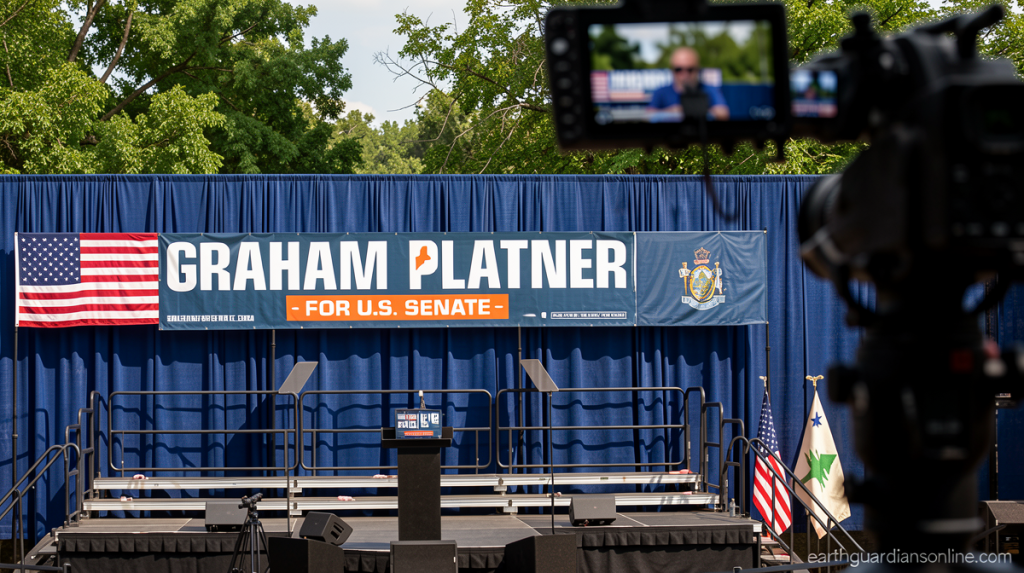
These Maine Democrats Could Run for Senate Seat
These Maine Democrats could run to replace – These Maine Democrats could run to fill the vacancy left by Graham Platner’s withdrawal from the U.S. Senate race. With less than three weeks until the nomination deadline, the state party is moving quickly to identify a new candidate. Platner announced his suspension on Wednesday after facing mounting pressure from party leaders. The situation has created an urgent need to find someone who can challenge five-term Republican Senator Susan Collins in what Democrats consider a critical midterm opportunity.
Democratic strategists in Washington are watching Maine closely, viewing the seat as potentially decisive for their goal of controlling the Senate this November. No single name has emerged as the clear frontrunner, and frustration is building among party members who must act swiftly to elevate a strong contender just 100 days before voters head to the polls.
Former Gubernatorial Candidates Position Themselves
Before Platner formally stepped aside, the Maine Democratic Party approved a process to hold a nominating convention if needed. The party must choose an alternative by July 27. Three candidates who recently ran for governor are now considering the Senate race: Nirav Shah, Troy Jackson, and Shenna Bellows. All three faced defeat in their gubernatorial campaigns.
Jackson, a former state senator, and Bellows, Maine’s current secretary of state, both describe themselves as progressive populists. Shah, who previously held senior health positions at both state and federal levels, is seen as more centrist and potentially attractive to independent voters.
Jackson spoke candidly about the challenges ahead in a recent CNN interview.
Short timeline, obviously money and all that. It’s gonna be a challenge, but I definitely think it’s doable,
he said.
A strategist familiar with Maine politics told CNN that running for Senate against Collins presents a different set of obstacles compared to a gubernatorial race.
New Entrants and Platner’s Influence
On Wednesday, Dan Kleban, co-founder of Maine Beer Company, officially entered the contest. He had previously run in this primary last year but withdrew when national Democrats backed Governor Janet Mills. Kleban must now build a campaign infrastructure from the ground up after testing voter sentiment.
I believe I can unite our party and finally defeat Susan Collins in November,
Kleban wrote in a Substack post shared on X.
According to a source close to the situation, Platner has personally encouraged at least one Maine Democrat to consider running. He contacted state Representative Valli Geiger, a longtime supporter, to thank her for her backing and suggested she might run if he stepped aside. The source indicated that Platner has not yet decided whether to endorse anyone.
Jackson, a 58-year-old former logger and union member, has already filed the necessary paperwork to formally explore a Senate candidacy. He is perhaps most recognizable to Maine progressives for campaigning alongside Platner and Senator Bernie Sanders during this year’s gubernatorial race. A former Republican who voted for Sanders in 2016, Jackson carries an ideological record that may concern some Democrats. During his lengthy tenure in the state Senate, he voted against same-sex marriage legalization and has previously opposed abortion except under specific circumstances.
Shah, the former director of Maine’s Center for Disease Control and Prevention, initially received the most votes in this year’s gubernatorial election but finished second after ranked-choice voting reallocated ballots. Mills appointed Shah to lead the state’s health agency in 2019, and he subsequently directed Maine’s pandemic response efforts. While Shah became well-known throughout Maine during that period, critics note that he did not grow up in the state and voted in Georgia during the 2024 election. He had been selected by the Biden administration as the second-highest official at the national CDC in Atlanta, a position he maintained through Trump’s election victory.
Bellows has attracted national attention for her work as secretary of state, notably declaring Trump ineligible for Maine’s 2024 ballot following the January 6 Capitol riot, though the Supreme Court later reversed her ruling. The self-described populist has previously challenged Collins, losing by 30 percentage points in 2014 during a difficult year for Democrats, and did so without backing from the national party. Her supporters maintain that cir
